


The Changing of the Guard
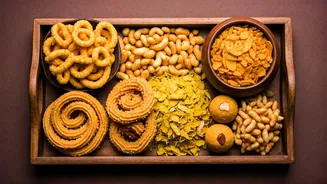
For decades, the Indian snack market was dominated by two forces: large multinational corporations like PepsiCo, with its ubiquitous Lay's potato chips, and a vast unorganized sector selling traditional but often fried and unhealthy street food. For a rising
Indian middle class, Western-style packaged snacks were once a sign of modernity and aspiration. They were convenient, well-marketed, and a departure from the foods their parents ate. But the pendulum is swinging back, and fast. Younger Indians—millennials and Gen Z—are leading a powerful consumer movement that champions local ingredients, healthier preparation, and authentic flavors, creating a massive opportunity for a new kind of food company.
A Hunger for Health and Heritage
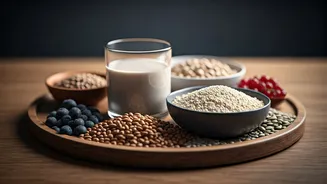
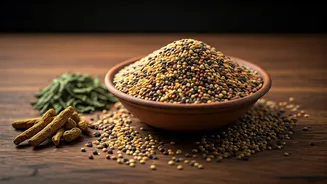
This shift isn't just about nostalgia; it's driven by a global wellness trend filtered through a distinctly Indian lens. The new Indian consumer is highly informed, digitally savvy, and increasingly skeptical of the processed foods that defined the previous generation's snack habits. They are reading labels and looking for “clean” ingredients—not necessarily low-calorie or low-fat, but free from artificial preservatives, refined sugars, and unpronounceable chemicals. This has created a perfect market for reviving “grandmother’s recipes.” Snacks made from millet (ragi, jowar), makhana (puffed fox nuts), chickpeas, and lentils are being rediscovered not as poverty foods, but as ancient superfoods that happen to be gluten-free, high-protein, and packed with nutrients. The appeal is twofold: it’s a healthier choice and a way to reconnect with a cultural heritage that felt at risk of being erased by globalization.
Startups Serving Up Tradition
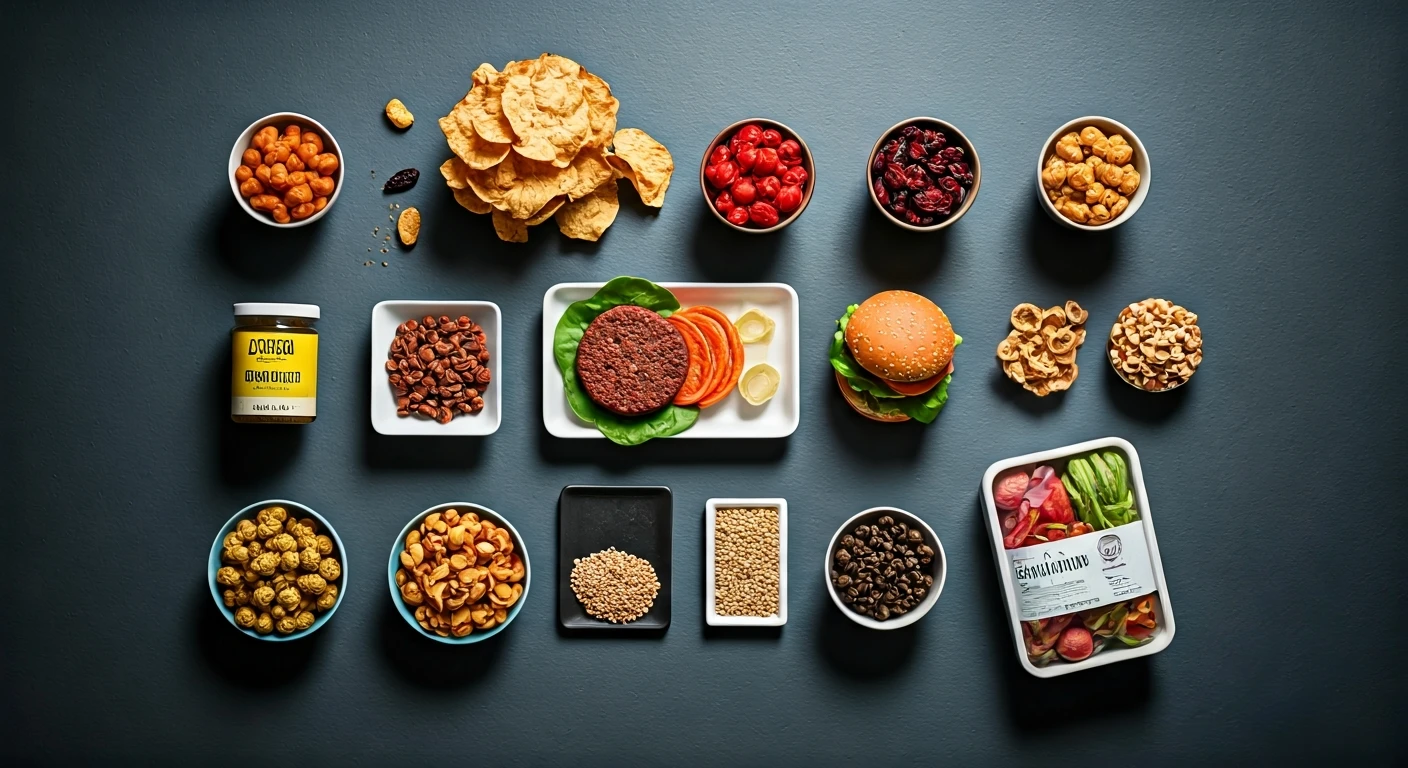
Legacy brands were slow to spot the opportunity, leaving a wide-open field for nimble startups. A new wave of direct-to-consumer (D2C) companies has emerged, using slick branding, savvy social media marketing, and modern packaging to make old-school snacks cool again. Brands are taking something as simple as roasted makhana and offering it in contemporary flavors like peri-peri or sour cream and onion. They are turning millet flour into baked chips that offer a satisfying crunch without the guilt of deep-frying. These companies speak the language of their young consumers, emphasizing transparency, local sourcing, and sustainability. They aren't just selling a product; they're selling a story of authenticity and a return to roots, all delivered to your doorstep via an app.
More Than Just a Market Shift
The success of these heritage snacks represents more than just a disruption in the $5 billion Indian snack industry. It’s a powerful statement of cultural confidence. For years, the path to premiumization was seen through Westernization. Now, entrepreneurs and consumers are proving that Indian ingredients and culinary traditions can be the basis for premium, modern, and desirable products in their own right. This trend also has significant economic implications, boosting demand for indigenous crops like millets, which are often more sustainable and drought-resistant than rice and wheat, thereby supporting local farmers. It’s a rejection of the idea that modern has to mean foreign. In today's India, the most innovative move is looking back to the pantry of the past.