





The Decline of the Marathon Vacation
Remember the classic American vacation? It was a ten-day, cross-country ordeal or a two-week international trek that required months of planning, a small loan, and the patience of a saint. While those trips have their place, a different travel philosophy
is taking hold. In a world of chronic burnout, limited paid time off, and pervasive decision fatigue, the prospect of organizing a massive getaway can feel more like a burden than a break. Enter the 'micro-cation': a short, intentional trip of two to four days. This trend isn't just about saving time or money; it's about maximizing joy. Instead of trying to do and see everything, the focus narrows to a single, highly rewarding purpose. And increasingly, that purpose is edible.
Why Food Is the Perfect Anchor
A trip built around food has a powerful, built-in advantage: it provides a mission. It turns a vague desire to 'get away' into a concrete plan. You're not just going to Austin; you're going on a pilgrimage for the perfect brisket. You're not aimlessly wandering a new city; you have a hit list of bakeries, food trucks, and a coveted dinner reservation that serves as the anchor for your entire weekend. Food is a direct line to a city’s culture, history, and people. A bowl of gumbo in New Orleans or a slice of deep-dish in Chicago isn't just a meal; it's a sensory souvenir and an experience you can’t get anywhere else. This focus simplifies planning. Instead of juggling museum schedules and landmark logistics, your itinerary is a delicious trail of breadcrumbs leading from one great meal to the next.
The Anatomy of a Foodie Getaway
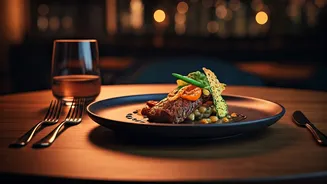
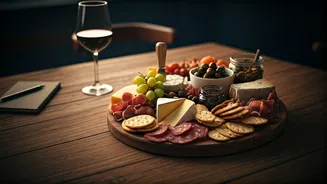
So, what does this new mood look like in practice? It’s a quick flight to Portland, Oregon, not to hike (though you could), but to spend a weekend systematically exploring its legendary food cart pods. It’s taking the train to Philadelphia for 48 hours dedicated to the art of the cheesesteak, the roast pork sandwich, and the new wave of critically acclaimed restaurants. It might be a road trip to a smaller, up-and-coming culinary destination like Asheville, North Carolina, or Richmond, Virginia, discovered through a deep dive on Instagram or TikTok. These trips thrive on high-low dining—a celebrated tasting menu one night and a famous local donut the next morning. The goal isn’t extravagance for its own sake, but authenticity and flavor. The 'best' trip is the one that delivers the most memorable bites per minute.
More Joy, Fewer Logistics
The psychological payoff of a food-centric micro-trip is immense. Because the trip is short, the stakes are lower. If a much-hyped taco joint is just okay, it’s a minor blip, not a vacation-ruining disaster. The shorter duration means less time off work, less packing, and a smaller budget. You can splurge on one truly spectacular meal because you’re not paying for a ten-night hotel stay. This approach minimizes the potential for disappointment and maximizes the feeling of a mission accomplished. You return home not exhausted from a whirlwind of activity, but satisfied and recharged, with the taste of a new favorite dish still fresh in your memory. It’s a low-risk, high-reward formula that feels perfectly tuned to our overstimulated, time-poor lives.