



Why Air Movement Matters
Outdoors, plants are constantly interacting with their environment. Gentle breezes rustle their leaves, delivering fresh air and wicking away excess moisture. Inside our homes, the air is often stagnant. We close windows to conserve energy and keep out
allergens, creating a still, sheltered environment that feels cozy to us but can be suffocating for our plants. Good airflow directly impacts a plant's most vital functions. It aids in transpiration, the process where a plant releases water vapor from its leaves. This process is like a tiny engine that pulls water and nutrients up from the roots. Stagnant, humid air slows transpiration down, effectively clogging the system. Moving air whisks away this humid boundary layer, encouraging the plant to “breathe” freely and efficiently absorb the carbon dioxide it needs for photosynthesis.
Your First Line of Defense
Many of the most common houseplant afflictions thrive in still, damp conditions. Fungal diseases like powdery mildew and bacterial leaf spot get a foothold when water sits on leaves for too long. A constant, gentle circulation of air helps foliage dry quickly after watering, robbing these pathogens of the opportunity to multiply. Air movement is also a powerful deterrent against pests. Spider mites, for example, love dry, stagnant air and build their webs in sheltered spots. A light breeze disrupts them, making your plant a less hospitable home. Similarly, fungus gnats—those annoying little flies that buzz around your soil—prefer moist topsoil. Improved airflow helps the surface of the soil dry out faster between waterings, interrupting their life cycle and reducing their population without you having to reach for an insecticide.
Building a Stronger Plant
Have you ever wondered why outdoor plants seem so much sturdier than their indoor counterparts? The answer, in part, is wind. The constant, gentle pressure of moving air causes plants to develop stronger, thicker stems to withstand the stress. This process, known as thigmomorphogenesis, is a natural strengthening exercise. By simulating a light breeze indoors, you encourage your plants to invest energy in building a more robust structure. This not only prevents leggy, weak growth in plants like fiddle-leaf figs and monsteras but also helps them better support their own weight as they mature.
Simple Ways to Boost Airflow
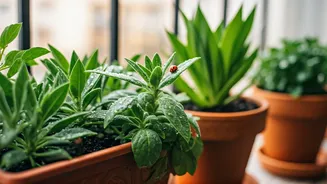
Improving circulation doesn't require turning your living room into a wind tunnel. The goal is gentle, indirect air movement. Here are a few easy hacks: 1. **Give Them Space:** Avoid cramming your plants together on a shelf or windowsill. Overcrowding creates pockets of stagnant, humid air, which is an open invitation for pests and disease. Give each plant enough room that its leaves aren't touching its neighbor's. 2. **Use a Small Fan:** A small, oscillating fan set on its lowest speed is a plant parent's secret weapon. Place it in the corner of a room and run it for a few hours a day. It’s enough to mimic a natural breeze, strengthen stems, and keep the air fresh. Don't point it directly at your plants, as a constant, direct draft can be stressful. 3. **Crack a Window:** Whenever the weather allows, opening a window is the easiest way to get fresh air circulating. Even a small crack for an hour can make a significant difference, exchanging stale indoor air for fresh outdoor air. 4. **Rotate Your Plants:** When you water your plants, give them a quarter turn. This simple act ensures all sides of the plant get equal access to light and air, preventing one side from becoming weak or stagnant.