
The Journey Is Part of the Point
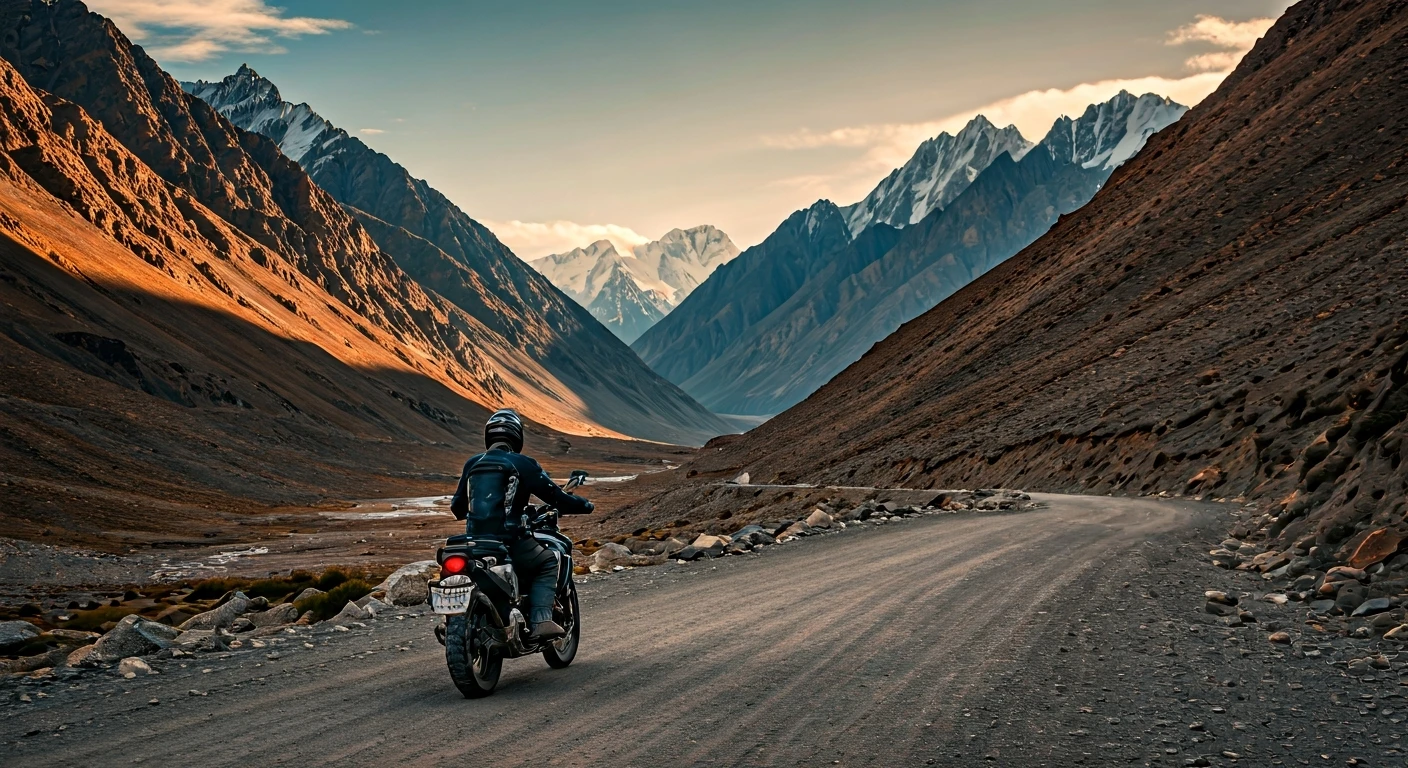
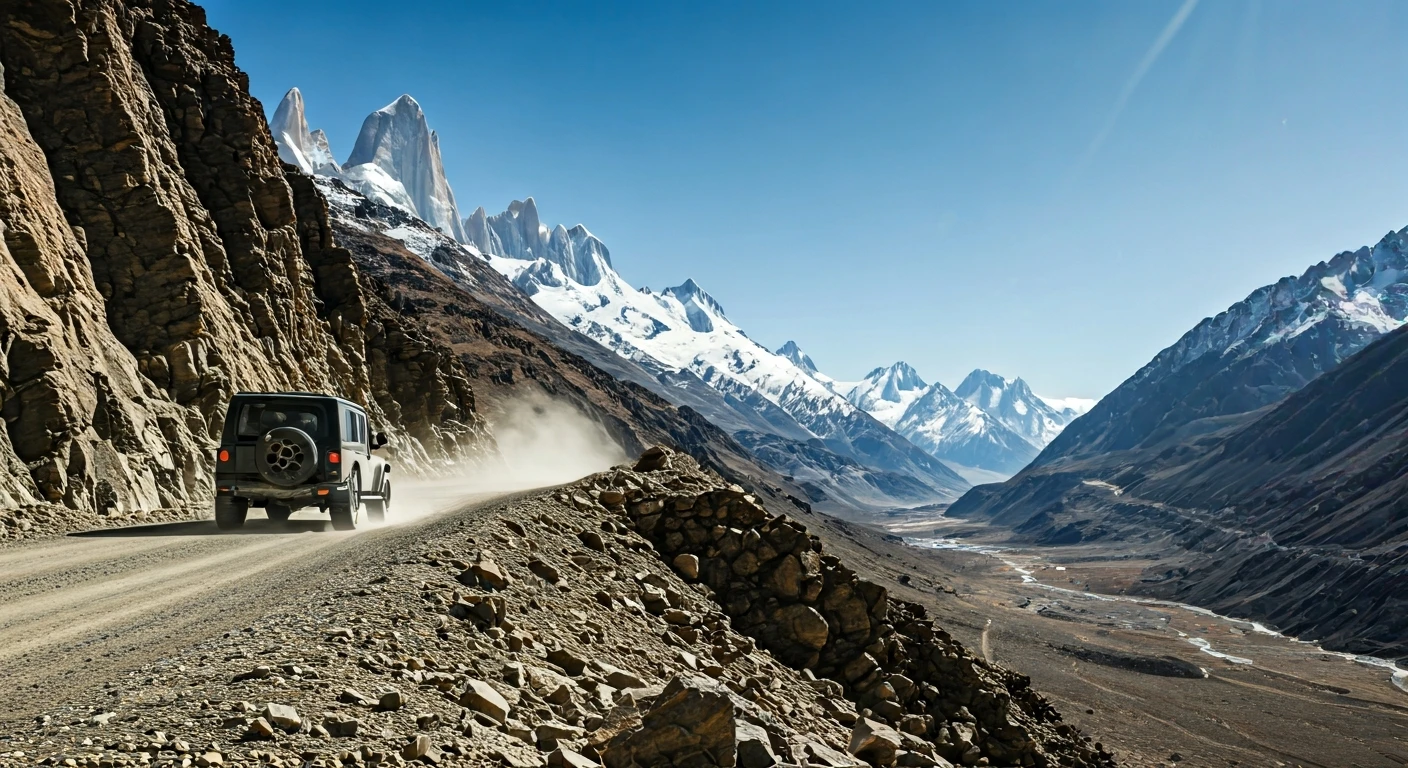
Let’s get one thing straight: you don’t just “pop over” to Spiti. Tucked into a remote corner of Himachal Pradesh in India, it’s a place you earn. The journey itself is a rite of passage, a multi-day odyssey from either Shimla or Manali that involves
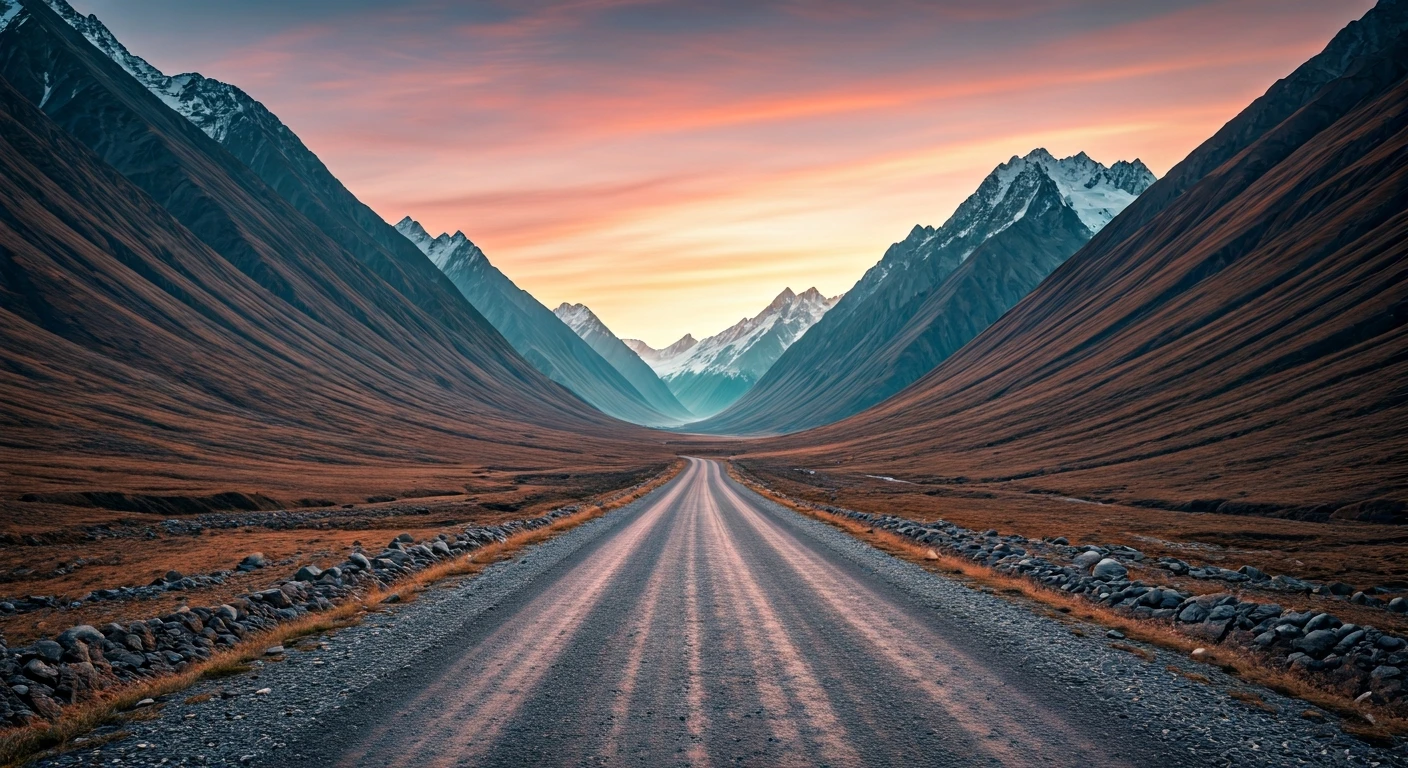
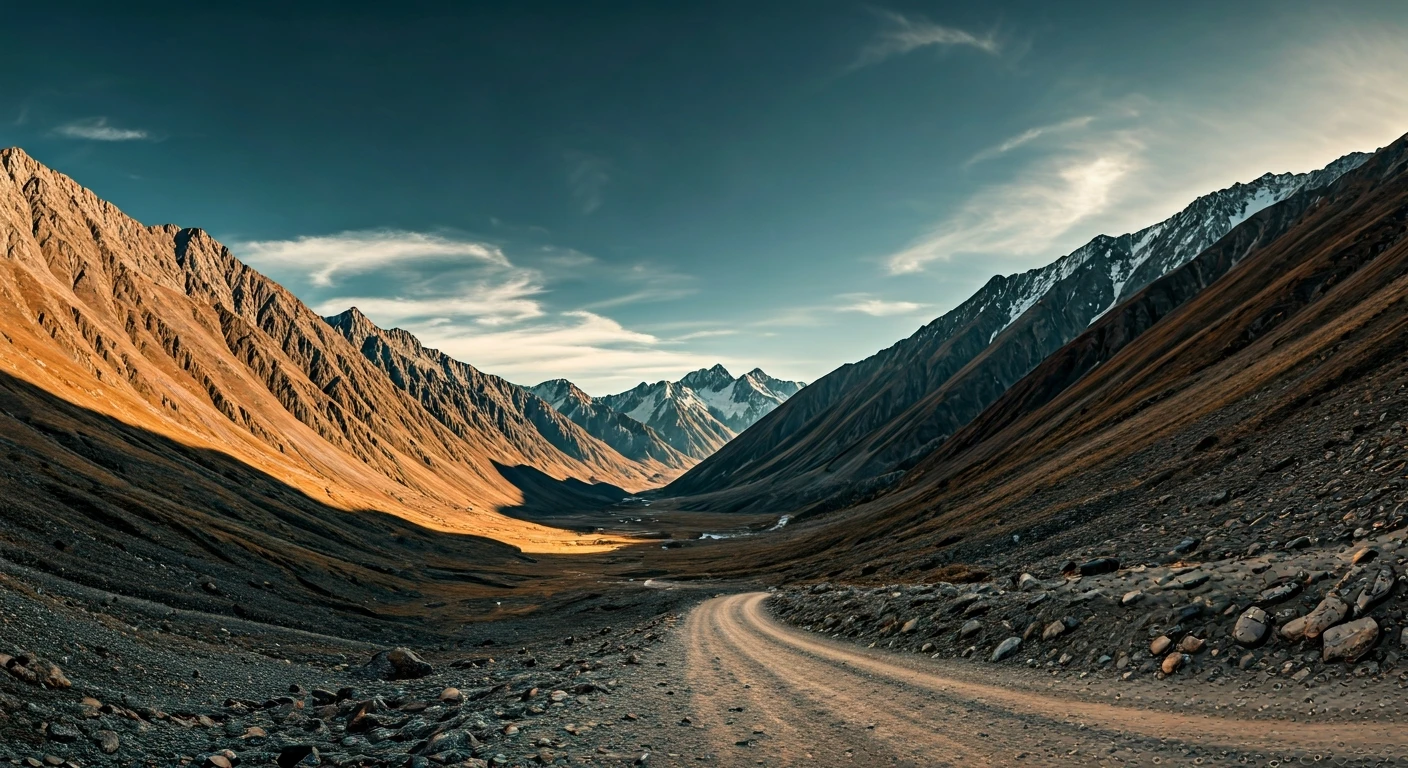
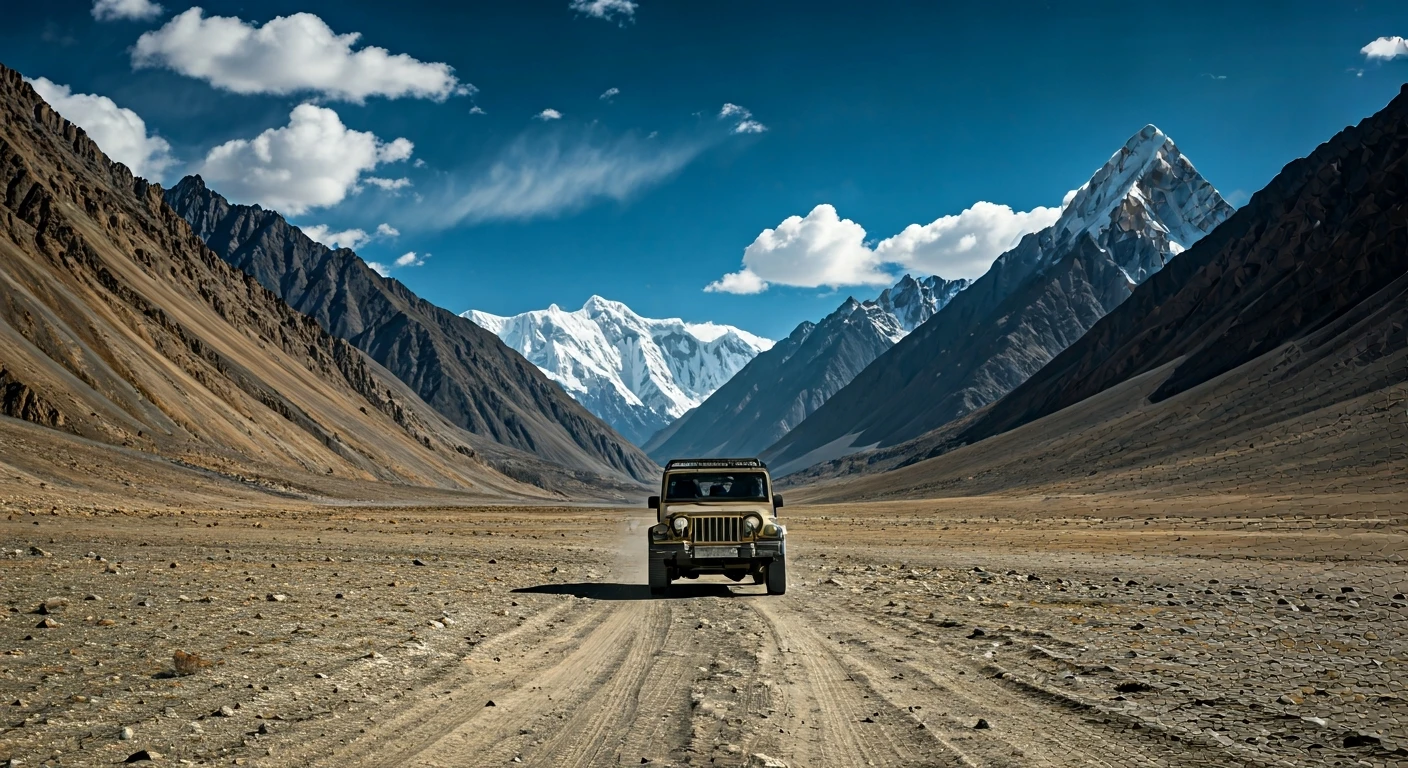
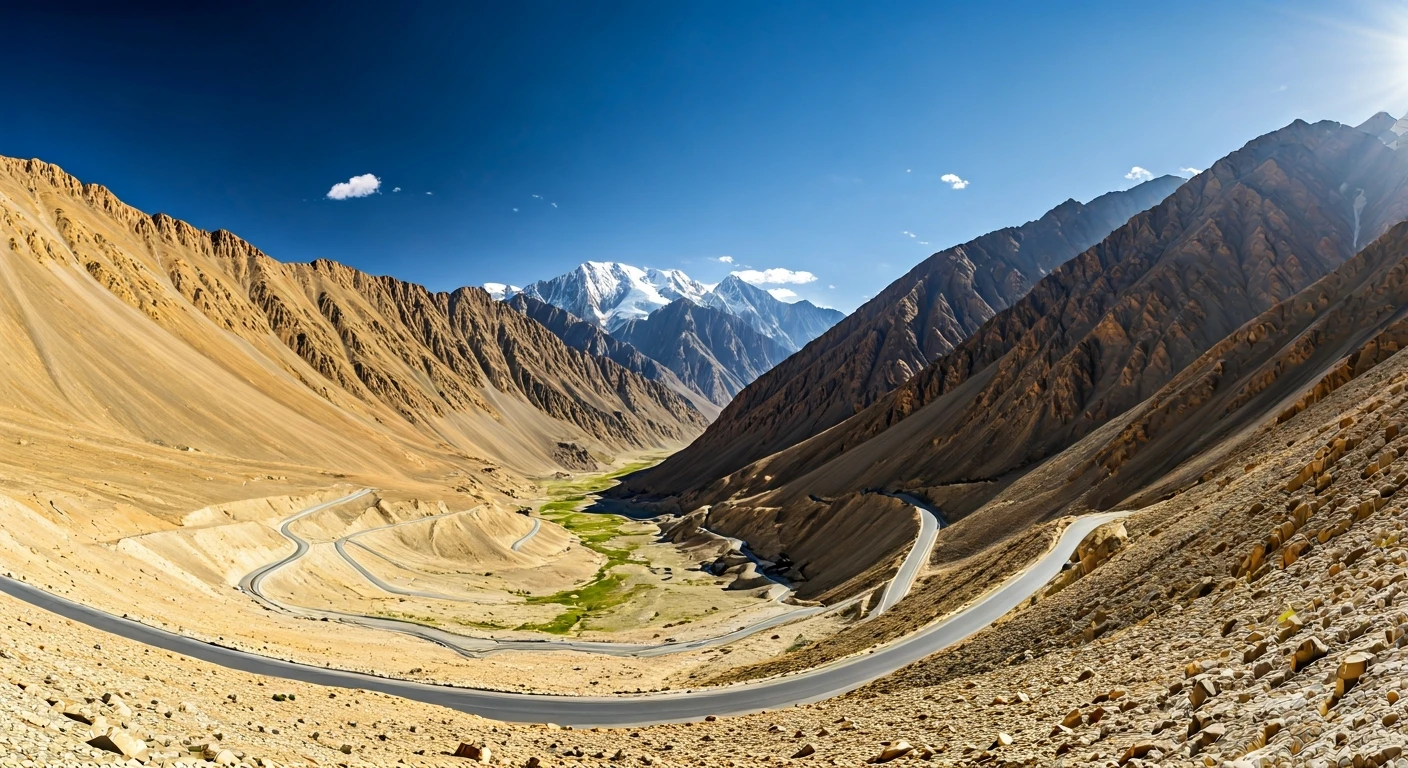
navigating some of the world’s most treacherous and breathtaking roads. Forget fly-in convenience. Here, you’ll spend hours winding through hairpin bends, crossing gushing streams, and ascending high-altitude passes like Kunzum La, where prayer flags whip in the wind against a backdrop of snow-dusted peaks. This isn’t an inconvenience; it’s the filter. The sheer effort required to get there weeds out casual tourism, ensuring that those who arrive do so with intention and a deep appreciation for the landscape they just conquered. It’s the antithesis of a sterile airport transfer to an all-inclusive resort.
A Landscape That Demands Your Attention
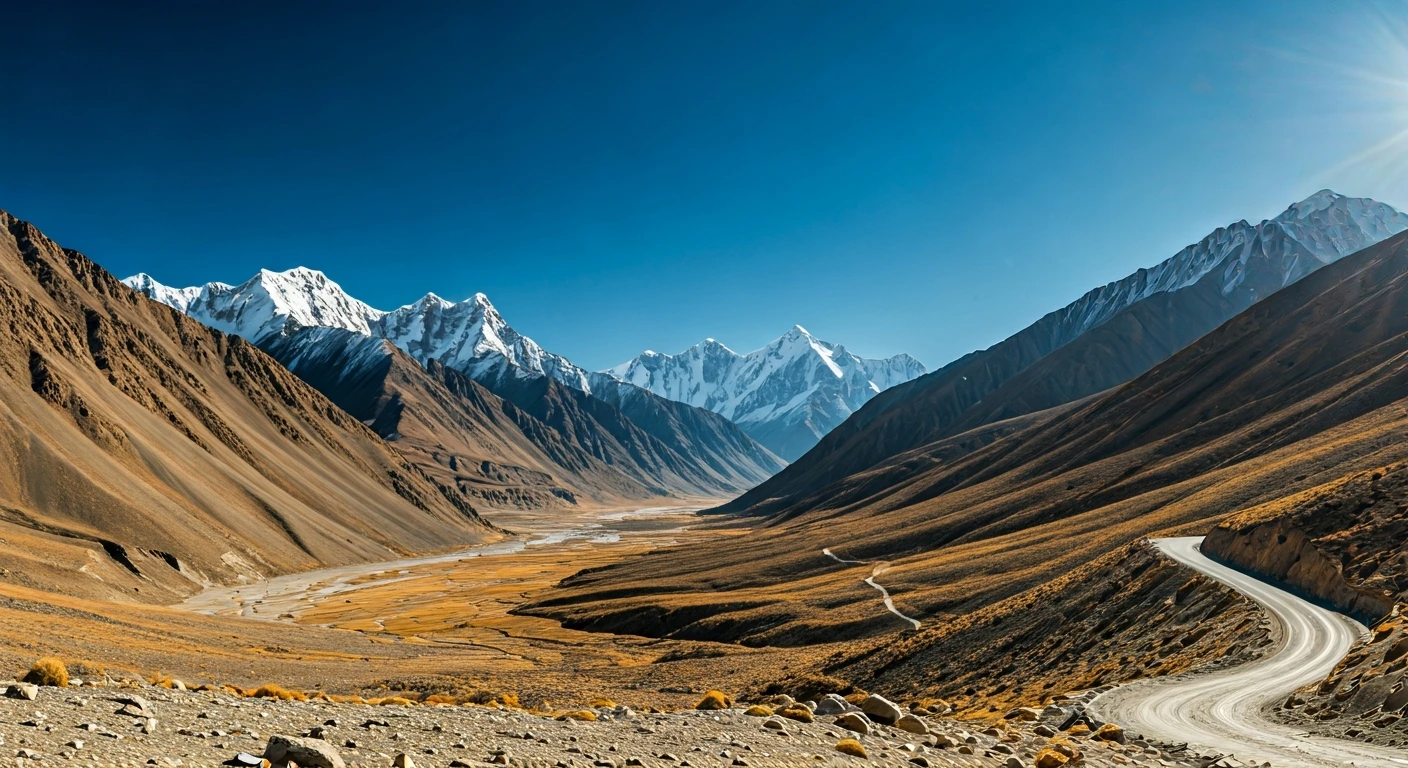
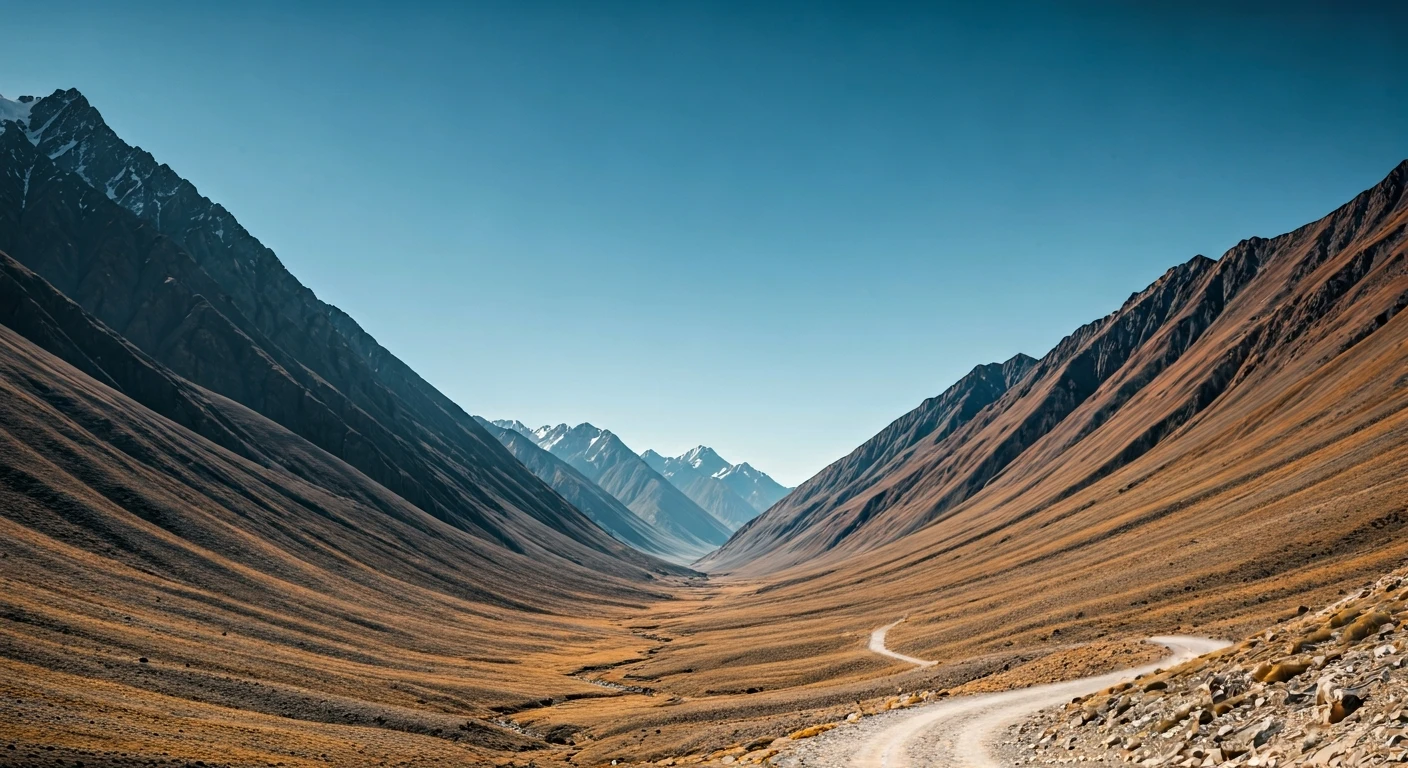
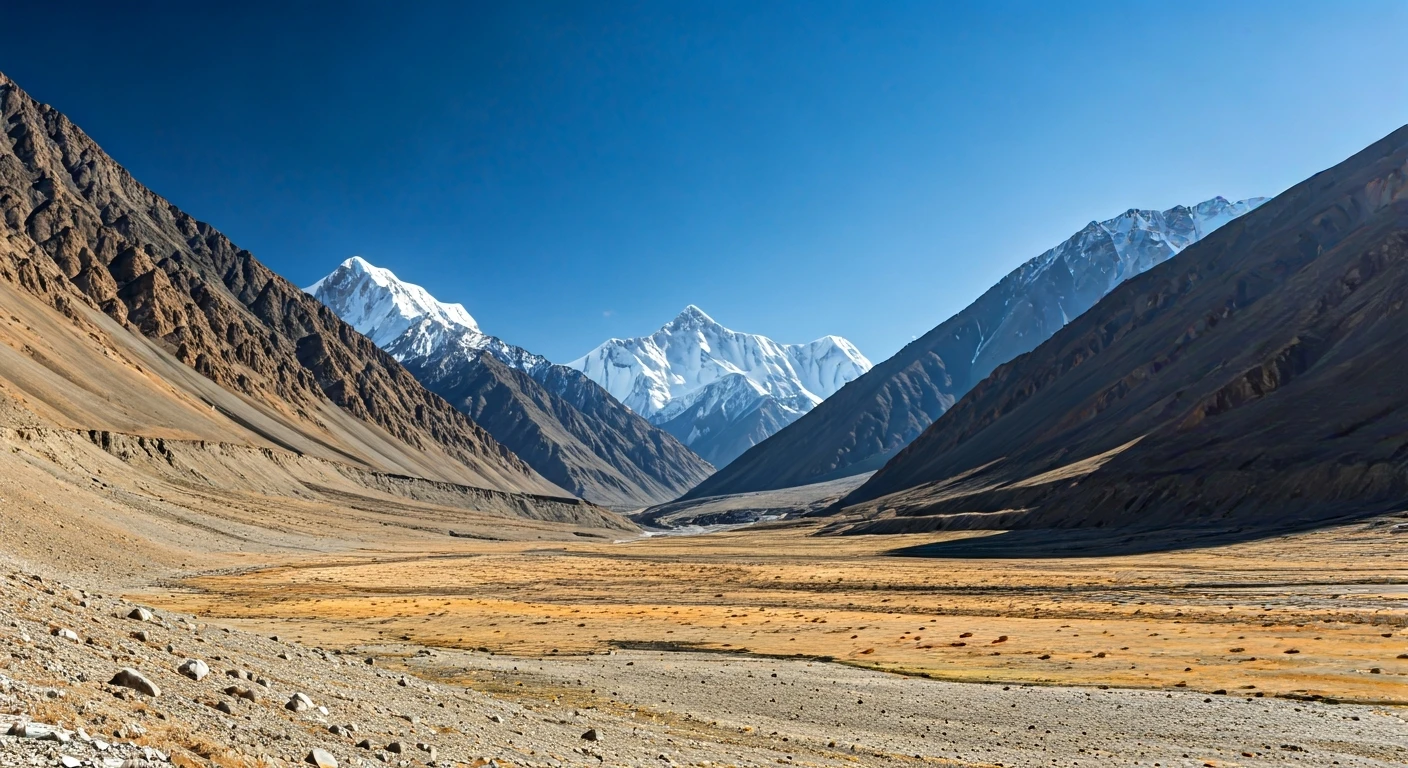
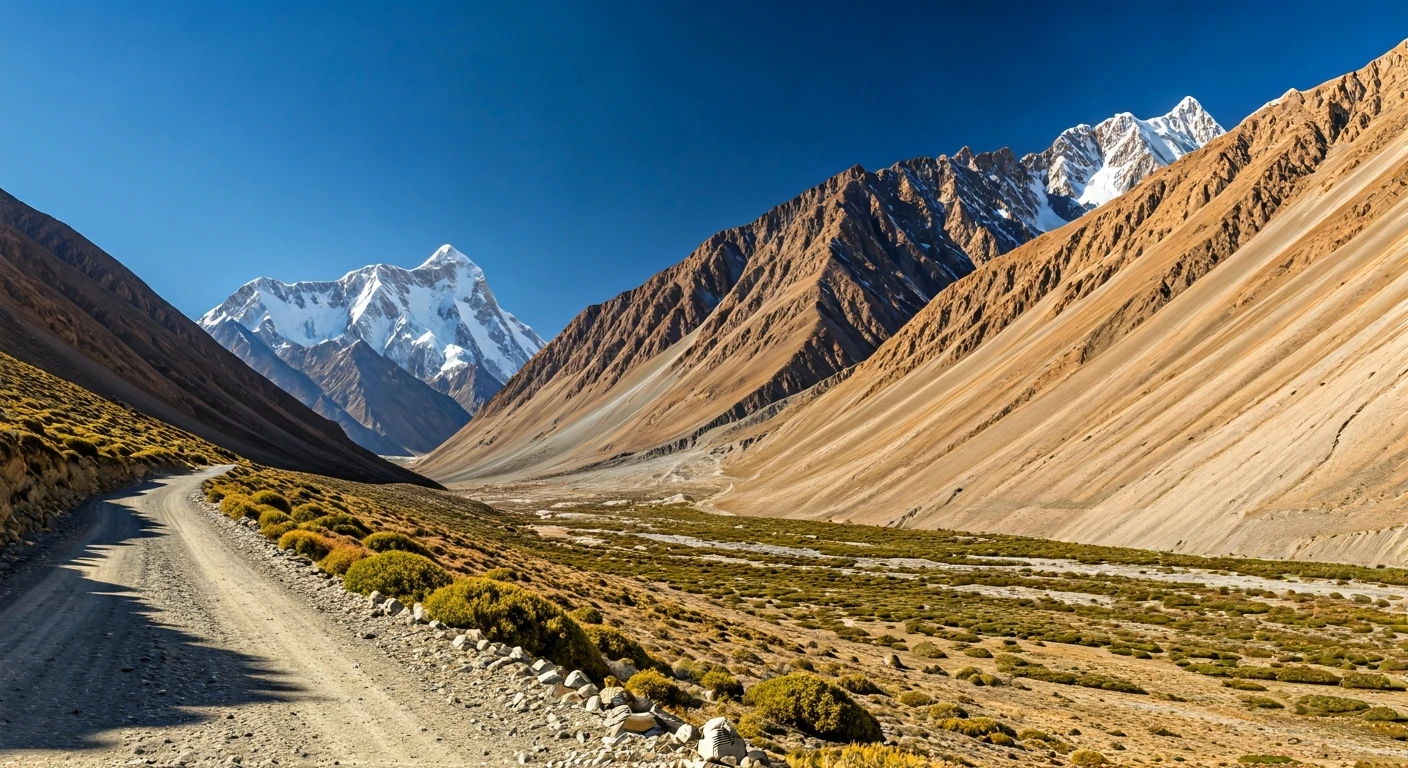
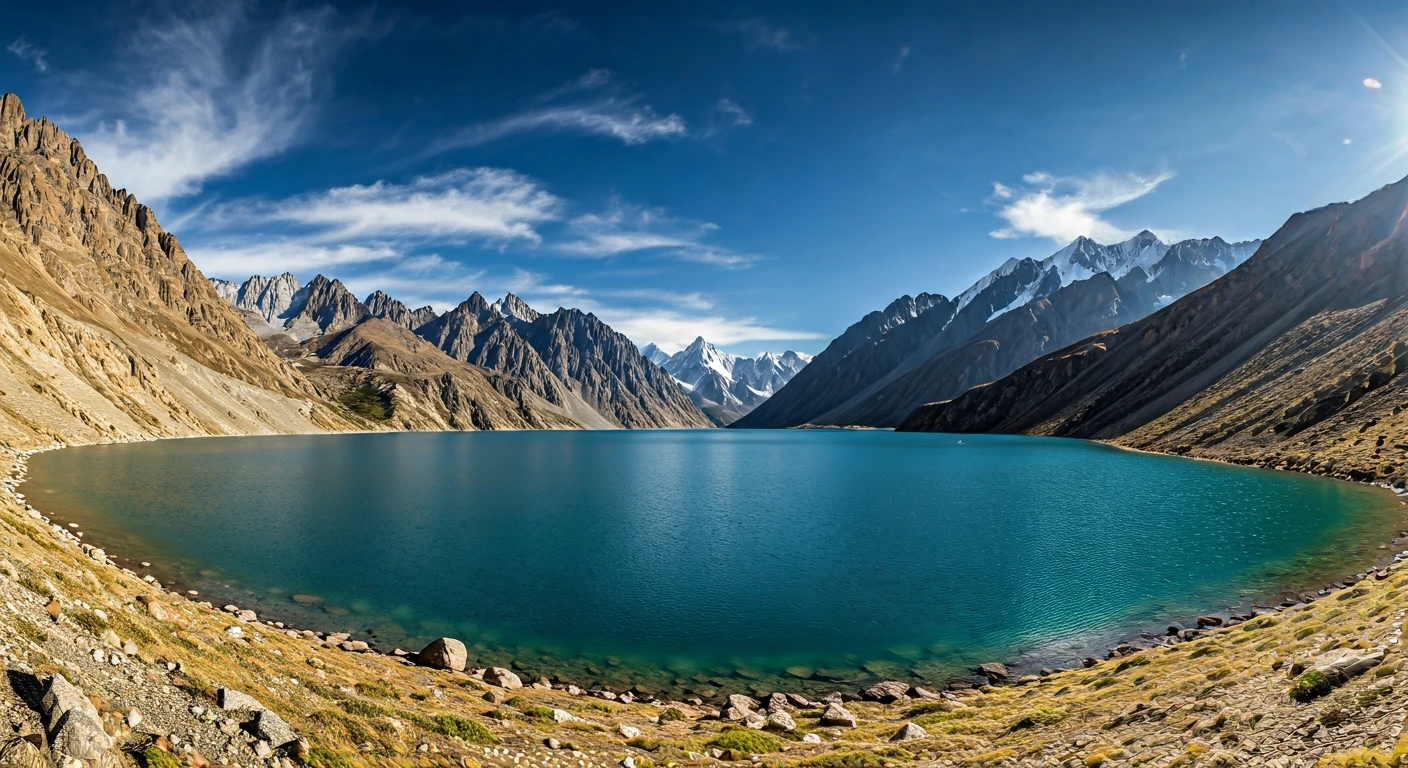
Spiti is often called a “cold desert,” a description that barely scratches the surface. Imagine a world painted in shades of brown, ochre, and grey, where colossal, barren mountains rise to meet a sky of impossible blue. The Spiti River, a ribbon of turquoise glacial melt, carves its way through the valley floor, providing a startling slash of color. There are no rolling green hills or postcard-perfect beaches here. Its beauty is stark, raw, and profound. It’s the kind of scenery that doesn’t just sit pretty for a photo; it commands your full attention, humbling you with its scale and silence. You’ll find yourself simply staring, trying to process the immensity of it all. This isn’t a passive backdrop for your vacation; it’s an active, awe-inspiring character in your journey.
Culture Carved into the Cliffs
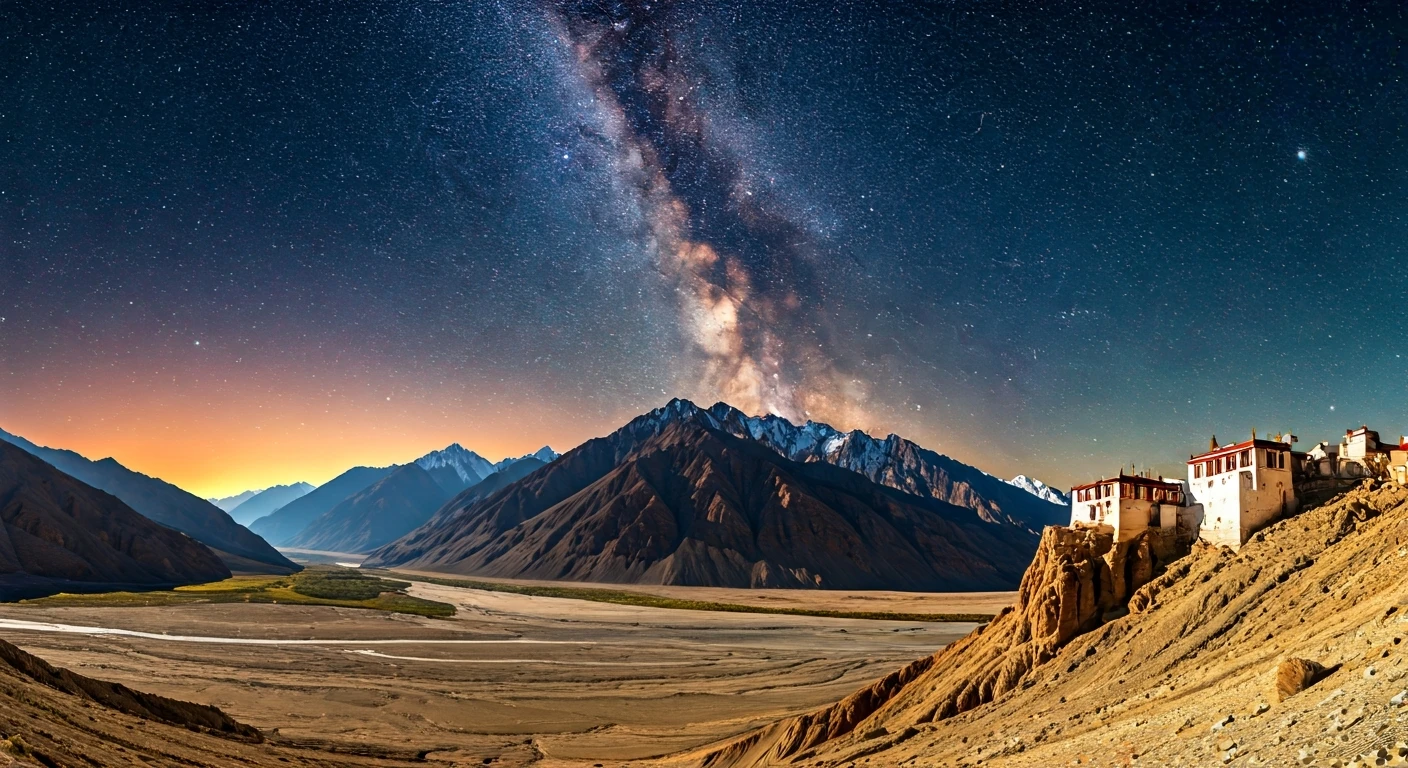
The soul of Spiti resides in its ancient, cliff-hanging monasteries. This is one of the last enclaves of intact Tibetan Buddhist culture in the world. Visiting Key Gompa, a surreal fortress of faith that seems to grow organically from its conical hill, feels like stepping into a National Geographic special. You can hear the low drone of monks chanting, see young novices in maroon robes playing in a courtyard, and feel the weight of a thousand years of devotion in the air. In Tabo, you can explore a monastery complex founded in 996 A.D., its mud-walled rooms filled with exquisite, dimly lit frescoes. This isn’t a sanitized cultural performance for tourists. It’s a living, breathing faith, and visitors are welcomed as quiet observers into a world that operates on a completely different rhythm from their own.
The Luxury of True Disconnection
In Spiti, the greatest luxury is what’s missing. You won’t find five-star hotels, Michelin-starred restaurants, or reliable Wi-Fi. Instead, you’ll find family-run homestays where you’ll share meals of dal, rice, and local vegetables with your hosts. You’ll sip salty butter tea, try seabuckthorn juice, and learn that the warmest hospitality requires no amenities. The patchy-at-best cell service forces you to put your phone away and engage with the present moment—the brilliant canopy of stars in the night sky, the taste of a freshly cooked chapati, the shared laughter with a new friend. This isn't a digitally detoxed wellness retreat; it's just life at 12,500 feet. It’s a powerful reminder that connection to place and people is infinitely more fulfilling than connection to a network.