


1. Believing Your Wipers Are 'Good Enough'
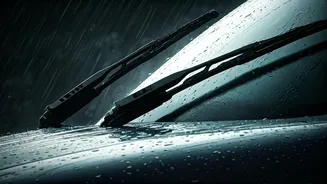
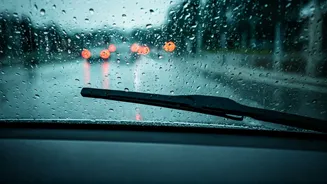
This is the single most common mistake mechanics in the Southwest see. After months of being baked onto a scorching windshield, your wiper blades are likely cracked, brittle, and useless. Drivers often don't realize it until they’re caught in the first
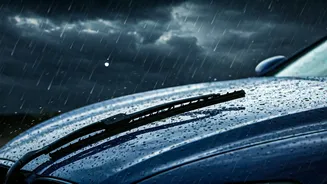
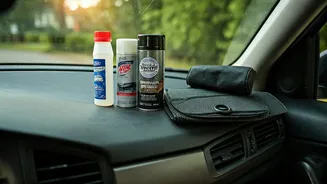
blinding downpour, smearing dirt and water across their field of vision. A 'good enough' wiper is a dangerous one. Monsoon rains aren't gentle drizzles; they are opaque sheets of water. If your wipers can't create a perfectly clear path with every swipe, they have failed. Don’t just look at them—run your finger along the blade. If you feel nicks, cracks, or hardened rubber, replace them. It's an inexpensive fix that prevents a major safety hazard.
2. Ignoring Your Tires' Condition
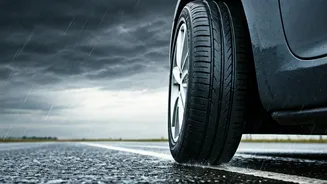
Tires are your car's only connection to the road, and during a monsoon, that connection is incredibly fragile. The mistake isn't just having bald tires; it's having improperly inflated or poorly chosen ones. When heavy rain hits hot asphalt, oils from the pavement rise to the surface, creating an exceptionally slick film. Your tires' tread is designed to channel water away, preventing hydroplaning. Worn-out treads can't do this effectively, even at low speeds. Check your tread depth using the classic penny test (if you can see all of Lincoln's head, your tires are dangerously worn) and, just as importantly, check your tire pressure. Over- or under-inflated tires make poor contact with the road, compromising your ability to brake and steer in wet conditions.
3. Underestimating Dust Storms
The wall of dust, or haboob, that often precedes a monsoon storm isn't just a dramatic visual. It’s a mechanical nightmare for your car's engine. That fine, abrasive dust gets sucked directly into your engine's air intake. Your engine air filter is the only thing standing between those particles and the sensitive internal components of your engine. Drivers often forget to check or change their air filter, assuming it’s fine. After a few dust storms, that filter can become so clogged that it chokes the engine, reducing horsepower, decreasing fuel efficiency, and eventually leading to costly damage. A mechanic can spot a dust-clogged filter from a mile away. Check it after the first major dust storm of the season and replace it if it's dirty. Your engine will thank you.
4. Forgetting About Your Battery
Extreme heat is a battery killer. The long, hot summer months leading up to the monsoon degrade your car battery's internal components and accelerate water loss in conventional batteries. It may still have enough juice to start your car on a normal day, but it’s sitting on a cliff's edge. The first cool, rainy day puts extra strain on the system—running your wipers, headlights, and A/C simultaneously can be the final straw for a weakened battery. Getting stranded in a downpour with a dead battery is a common and completely avoidable monsoon season trope. Most auto parts stores will test your battery for free. Knowing its health before the storms roll in can save you from a very wet, very frustrating situation.
5. Trying to Be a Hero in Floodwaters
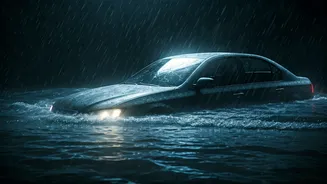
Every year, mechanics deal with the aftermath: engines filled with water, fried electrical systems, and ruined interiors. It comes from drivers misjudging the depth of a flooded wash or underpass. It takes only six inches of water to reach the bottom of most passenger cars, causing loss of control and potential stalling. A foot of water can float many vehicles, and two feet can sweep them away. The water that looks like a simple puddle can easily hide a washed-out road or debris. The damage is catastrophic. Water sucked into an engine (a condition called hydrolock) can bend pistons and destroy it completely. Modern cars are also packed with low-lying electronics that short out instantly. The advice is simple: Turn Around, Don't Drown.