

The TikTok-to-Table Pipeline
What’s driving this shift from hyper-local secret to national obsession? A perfect storm of cultural and technological forces. Chefs have long championed regional finds, but social media platforms like TikTok and Instagram have become powerful accelerators.
A single viral video can introduce millions of viewers to a foraged green or a forgotten fruit, creating a surge in demand overnight. This digital word-of-mouth is amplified by a growing consumer appetite for authenticity and unique stories. After years of homogenous grocery store offerings, shoppers are craving flavors with a sense of place. They don’t just want an apple; they want an apple with a story, a heritage, and a specific connection to a corner of America. This has created a feedback loop where chefs feature an ingredient, influencers amplify it, and national retailers race to meet the newfound demand.
Case Study: The Allure of Ramps
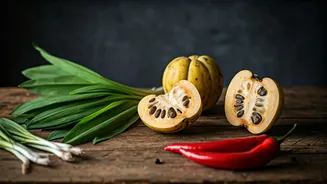
If any ingredient embodies this trend, it’s the ramp. This wild leek, with its pungent garlicky-onion flavor, has a notoriously short spring season, historically making it a prized possession for foragers and chefs in the Appalachian and Great Lakes regions. For years, it was an insider’s ingredient, whispered about in high-end kitchens. But the hype has officially spilled over. Today, the arrival of ramps is an annual event that triggers a frenzy of social media posts, special menu items from coast to coast, and even ramp-themed festivals. Home cooks now hunt for them at specialty grocers, and their fleeting availability only enhances their appeal, turning a humble wild onion into a bona fide status symbol of seasonal eating.
Case Study: The Pawpaw Renaissance
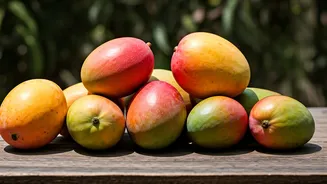
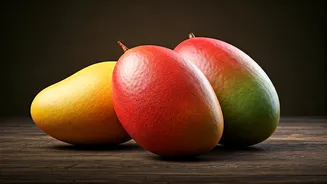
Meet the largest edible fruit native to North America, which you’ve probably never tasted. With a creamy, custard-like texture and a tropical flavor somewhere between a banana, mango, and cantaloupe, the pawpaw has been called the “Indiana banana.” For centuries, it grew in obscurity, its short shelf life making it impossible to commercialize. But a passionate revival led by horticulturalists, chefs, and craft brewers is bringing it back from the brink. You can now find pawpaw in craft beer, artisanal ice cream, and as the star of desserts at farm-to-table restaurants far beyond its native range. The pawpaw’s story is a compelling one of rediscovery, tapping into a desire to reclaim and celebrate a uniquely American ingredient that was almost lost to time.
Case Study: Hatch Chiles Go National
This trend isn't just about foraged novelties. Take the Hatch chile, a variety of green chile grown exclusively in the Hatch Valley of New Mexico. For decades, its smoky, complex flavor was a point of intense regional pride. The annual harvest season would see roadside roasters perfuming the air across the Southwest. Now, that smoky perfume has gone national. Grocers like Whole Foods and Trader Joe’s have turned the Hatch chile harvest into a major annual promotion, trucking in massive roasters to parking lots in states from Oregon to Florida. The “Hatch” name has become a powerful brand, appearing in everything from mac and cheese and sausages to salsas and spice rubs, proving that a specific regional crop can become a seasonal event for the entire country.
What's Next for Regional Flavors?
The movement shows no signs of slowing down. Keep an eye out for ingredients like scuppernong grapes from the Southeast, with their distinct musky-sweet flavor, or aronia berries from the Midwest, a tart superfood finding its way into juices and jams. However, this mainstream embrace comes with challenges. For wild-foraged items like ramps, the spike in popularity raises critical questions about sustainable harvesting to prevent over-exhaustion of a natural resource. For cultivated crops, the challenge is scaling production without losing the very authenticity that made them special in the first place. Successfully navigating these issues will determine whether this is a fleeting trend or a lasting, positive evolution in how America eats.