
The Fudge You Don't Know
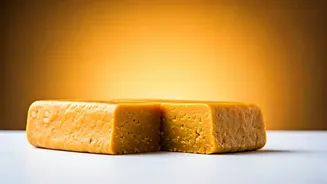
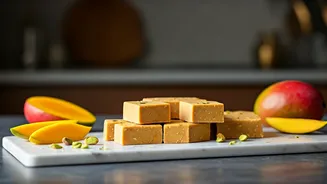
First, let's get the basics down. If you’ve never encountered it, barfi can be loosely described as an Indian fudge. But that comparison, while helpful, doesn’t quite do it justice. Traditional barfi is a confection made from milk solids (khoya or mawa),
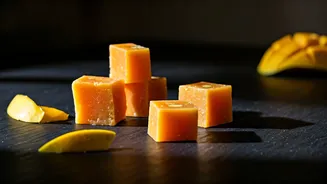
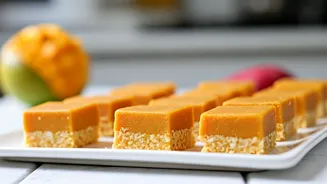
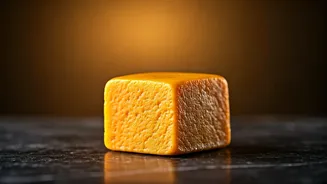
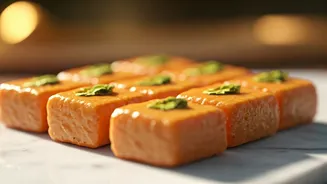
sugar, and often flavored with cardamom, rose water, and nuts like pistachios or almonds. The mixture is slowly cooked down until it thickens, then spread into a pan, cooled, and cut into neat diamond or square shapes. The texture is its signature: dense and milky, firm yet yielding, melting on the tongue in a way that’s richer and more granular than its Western cousin. It’s the cornerstone of the 'mithai' (sweet) shop, a foundational treat that comes in dozens of variations.
Enter the King of Fruits
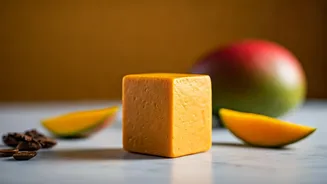
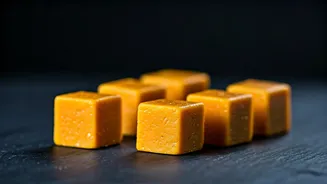
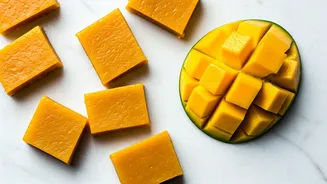
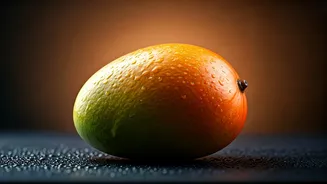
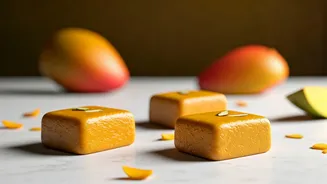
Then comes the mango. In India, the mango isn’t just a fruit; it’s an event, a seasonal obsession, the undisputed “king of fruits.” The arrival of the first Alphonso or Kesar mangoes of the season is a headline-worthy affair. So when you take a classic, beloved sweet like barfi and infuse it with the vibrant, concentrated essence of pure mango pulp, something magical happens. The mellow, creamy base of the milk fudge becomes a perfect canvas for the mango’s bright, sunny flavor. It’s not a timid, artificial flavoring. A good mango barfi tastes unequivocally of real mango—sweet, a little tangy, and deeply aromatic. The color alone, a glorious saffron-gold, signals that this is no ordinary dessert. It’s the flavor of peak summer, captured and preserved in a bite-sized treat.
A Bite-Sized Celebration
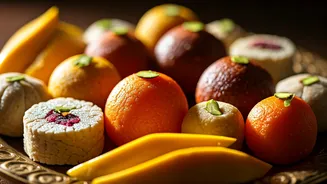
In Indian culture, sweets are the language of happiness. No festival, wedding, or significant milestone is complete without them. When there's good news—a new job, a passed exam, the birth of a child—a box of mithai is passed around. Sweets are offerings to gods during prayers and gifts to friends during holidays like Diwali, the festival of lights. Barfi, in all its forms, is a staple of these celebratory boxes. It’s familiar, comforting, and universally loved. Mango barfi, with its luxurious flavor and seasonal preciousness, dials that festive association up to eleven. It evokes the feeling of a grand occasion, a special treat reserved for the happiest of times. Each bite is infused with a cultural memory of joy, generosity, and community.
Turning a Tuesday into a Holiday
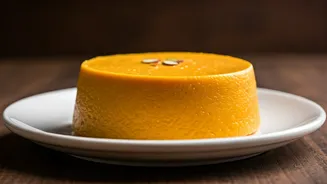
But here’s the real secret of mango barfi, and the promise held within the headline: you don’t need a festival to enjoy it. In fact, its power is most potent on a completely ordinary day. It’s the cure for a dreary Tuesday afternoon slump, the perfect companion to a cup of chai, the small indulgence that breaks the monotony of the daily grind. Keeping a small box in the fridge feels like having a secret weapon against the mundane. Unlike baking a whole cake or planning a multi-course meal, the effort is zero. You just open a box. That simple act of enjoying something so deeply associated with celebration has the power to reframe your entire day. For a few blissful moments, that dense, fragrant square of mango goodness transforms your kitchen counter into a festival ground. It’s a reminder that joy doesn’t always have to be a grand, scheduled event. Sometimes, it comes in a small, golden square.