



The Evolving Indian Pantry
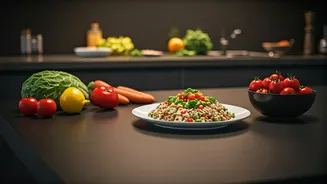
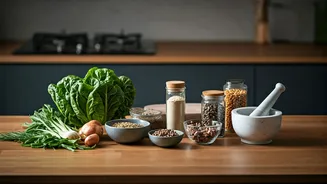
Step into a modern, health-conscious kitchen in Mumbai or Bangalore, and you’ll find the familiar scent of cardamom and cumin mingling with newer aromas. Alongside jars of lentils and spices, you might now see kombucha brewing on the counter, a sourdough
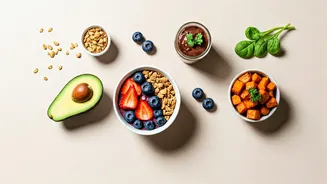
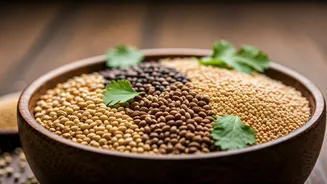
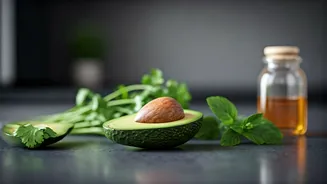
starter bubbling away, or a bag of quinoa next to the basmati rice. Ingredients once confined to specialty stores in the West—like avocado oil, chia seeds, and kale—are becoming staples. This isn't just about trying new things; it's a deliberate shift toward what's known as 'functional eating.' The focus is on foods that do more than just fill you up; they are chosen for specific health benefits, from improving gut health with fermented foods like kimchi to boosting protein intake with plant-based global grains. This new pantry reflects a generation of Indian home cooks who are globally connected, digitally savvy, and deeply invested in proactive wellness.
Beyond Grandmother's Remedies
For centuries, Indian food culture has been inherently functional. The concept of food as medicine is deeply woven into Ayurveda, the ancient system of wellness, and passed down through generations as 'dadi ma ke nuskhe' (grandmother's remedies). A cold might be treated with a ginger-tulsi (holy basil) tea, and turmeric-infused milk has long been the go-to for inflammation. So, what’s different now? The new movement is less about inherited folk wisdom and more about a data-driven, trend-aware approach to health. While a grandmother might recommend turmeric because tradition says it works, the modern home cook is likely to cite studies on curcumin's anti-inflammatory properties. This new generation isn't discarding the old ways but augmenting them. They are applying the ancient principle of 'food as medicine' to a wider, globalized palette of ingredients, effectively creating a fusion of Ayurvedic concepts and international superfoods.
The Rise of Mindful Eating
Several factors are fueling this culinary evolution. The COVID-19 pandemic significantly accelerated the focus on immunity, pushing many to look for foods that could actively support their body's defenses. This led to a boom in interest in everything from vitamin C-rich berries to gut-friendly probiotics. Furthermore, social media has played a massive role. Instagram and wellness blogs have created a visual and aspirational language around health, making dishes like smoothie bowls and avocado toast as desirable in Delhi as they are in Los Angeles. For a growing urban middle class, choosing these foods is also a statement of identity—one that is modern, globally aware, and in control of one’s personal health. It’s a move away from eating being a purely traditional or communal act to it becoming a personalized, mindful practice of self-care.
A Delicious and Dynamic Fusion
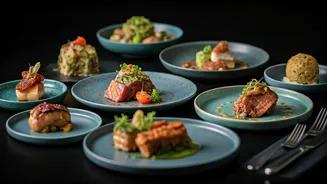
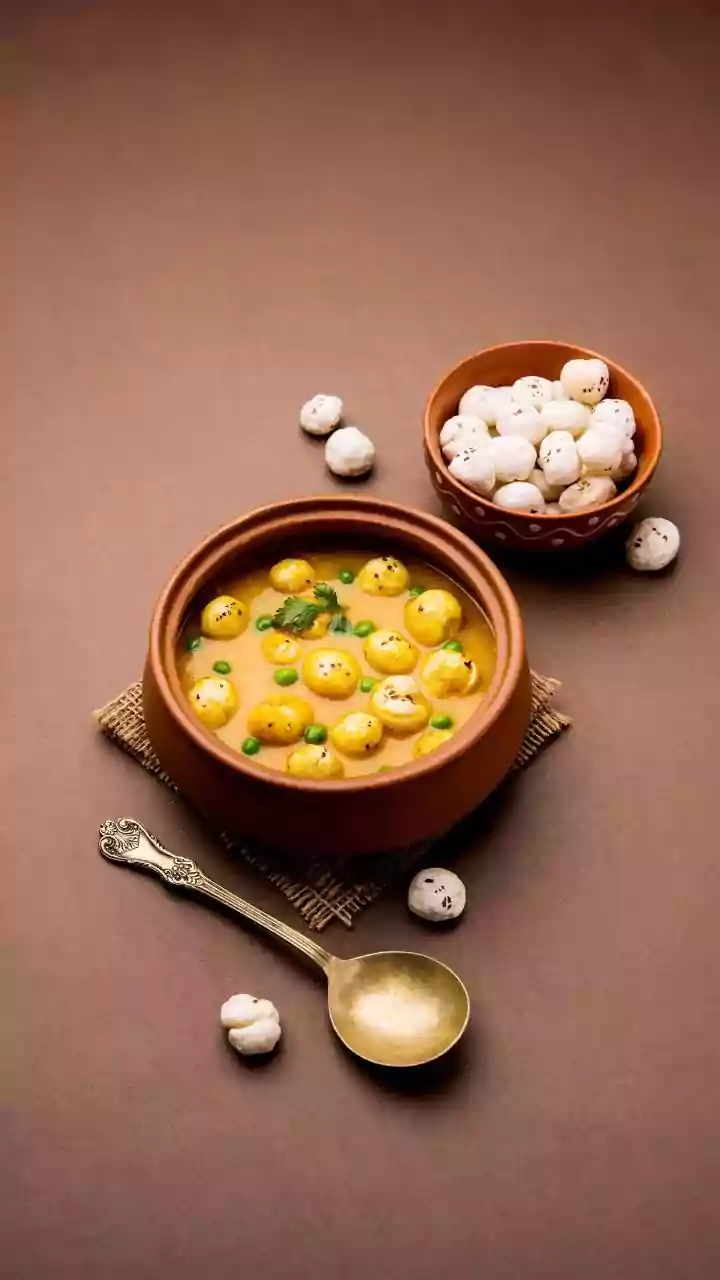
This trend is not a simple replacement of Indian food with Western fads. Instead, it’s a creative and dynamic synthesis. You might find a traditional 'dosa' (a savory crepe) filled with avocado and feta, a 'khichdi' (a rice and lentil porridge) made with quinoa instead of rice, or chia seeds added to a classic mango lassi for an omega-3 boost. Chefs and home cooks are experimenting, finding ways to integrate these new functional ingredients without losing the soul of Indian flavors. This culinary conversation is creating a new, exciting definition of what 'Indian food' can be. It’s a testament to the cuisine’s adaptability, proving that it can absorb new influences while retaining its core identity, much like the culture itself.