



1. Check Your Tires: Your Grip on Reality
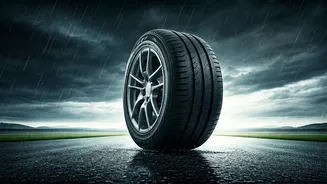
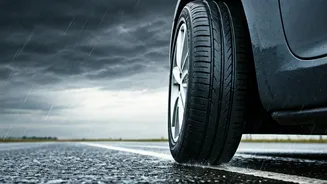
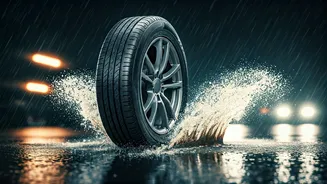
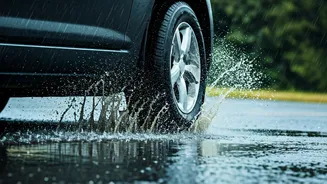
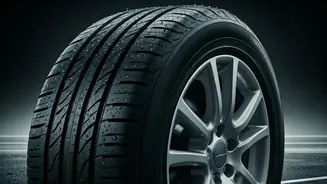
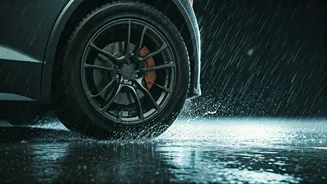
Your tires are the only part of your car that actually touches the road, and in a torrential downpour, their condition is everything. The primary danger on wet roads is hydroplaning, where a layer of water builds up between your tires and the road surface,
causing a terrifying loss of steering and braking control. To fight this, your tires need deep, clear channels to whisk water away. Use the classic "penny test": place a penny with Lincoln's head upside down in the tread. If you can see the top of his head, your tread is too worn, and it's time for a new set. Also, check your tire pressure. Under-inflated tires can't displace water effectively, increasing your hydroplaning risk. Ensure they are inflated to the manufacturer's recommended PSI, found on the sticker inside your driver's side door jamb.
2. Inspect Your Wipers: Your Window to the World
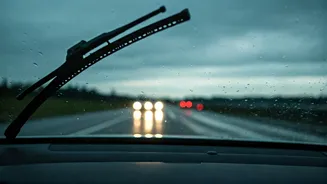
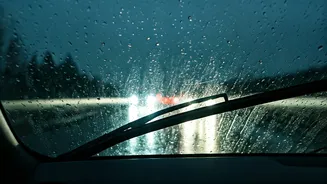
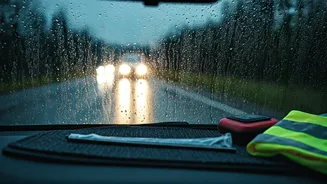
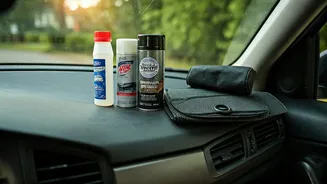
Visibility is the first thing to go in a monsoon. Your windshield wipers are your single most important tool for maintaining it, yet they are often the most neglected. Old, brittle, or cracked wiper blades won't clear water effectively; they'll just smear it, creating a dangerous, blurry view. If your wipers are chattering, streaking, or leaving gaps, replace them immediately. It's an inexpensive fix that can make a life-or-death difference. While you're at it, top off your windshield washer fluid. The dust and grime kicked up by the first few minutes of a storm can create a muddy film on your glass, and you'll need plenty of fluid to wash it away quickly.
3. Test Your Lights: See and Be Seen
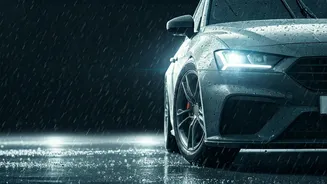
During a monsoon, the sky can darken to near-twilight conditions in the middle of the afternoon. Functioning lights are crucial not just for you to see the road, but for other drivers to see you. Many states have laws requiring headlights to be on whenever wipers are in use—a good rule of thumb to follow everywhere. Before the season hits, do a walk-around check. Have a friend or family member help you confirm that your headlights (both low and high beams), brake lights, and turn signals are all working. A burned-out brake light can easily lead to a rear-end collision when the driver behind you can't properly gauge your slowing speed in a low-visibility downpour.
4. Listen to Your Brakes: Your Ultimate Safety Net
Wet roads significantly increase your car's stopping distance. Brakes that feel a little soft or sound a bit squeaky in dry weather can become dangerously ineffective in a storm. If you've been putting off a brake inspection, now is the time to get it done. Listen for any grinding, squealing, or scraping sounds when you apply the pedal. Pay attention to whether the car pulls to one side when braking or if the pedal feels spongy. These are all signs that your brake pads, rotors, or fluid may need service. Having a responsive, reliable braking system gives you the best possible chance of avoiding a collision when the car in front of you suddenly stops in the blinding rain.
5. Master the Driver's Mindset: The Final Piece of the Puzzle
A perfectly prepared car is only as safe as the person behind the wheel. The most important monsoon challenge is the one you face mentally. The golden rule is simple: slow down. Reducing your speed gives your tires a better chance to maintain contact with the road and gives you more time to react. Double your following distance from the car ahead. And most critically, never, ever drive into flooded roadways. It's impossible to tell how deep the water is or if the road beneath has been washed away. Heed the National Weather Service's warning: "Turn Around, Don't Drown." It only takes a few inches of moving water to sweep a car off the road. If conditions are too severe, the smartest move is to pull over to a safe location and wait for the storm to pass.