



Slow Down at the Dinner Table
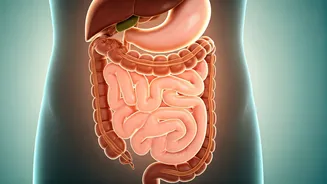
One of the most overlooked sources of digestive distress has nothing to do with what you eat, but how you eat it. In our rush-rush culture, many of us inhale our food without much thought. Digestion, however, begins in the mouth. Chewing thoroughly not only
breaks food into smaller, more manageable pieces but also mixes it with saliva, which contains enzymes that kickstart the digestive process. When you eat too quickly, you swallow more air, which can lead to uncomfortable gas and bloating. Furthermore, a stressed, hurried state sends your body into 'fight or flight' mode, diverting blood away from your digestive system and hindering its function. The simple act of sitting down, putting your fork down between bites, and chewing consciously can dramatically reduce post-meal discomfort.
Befriend Fiber, But Wisely
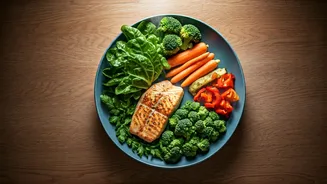
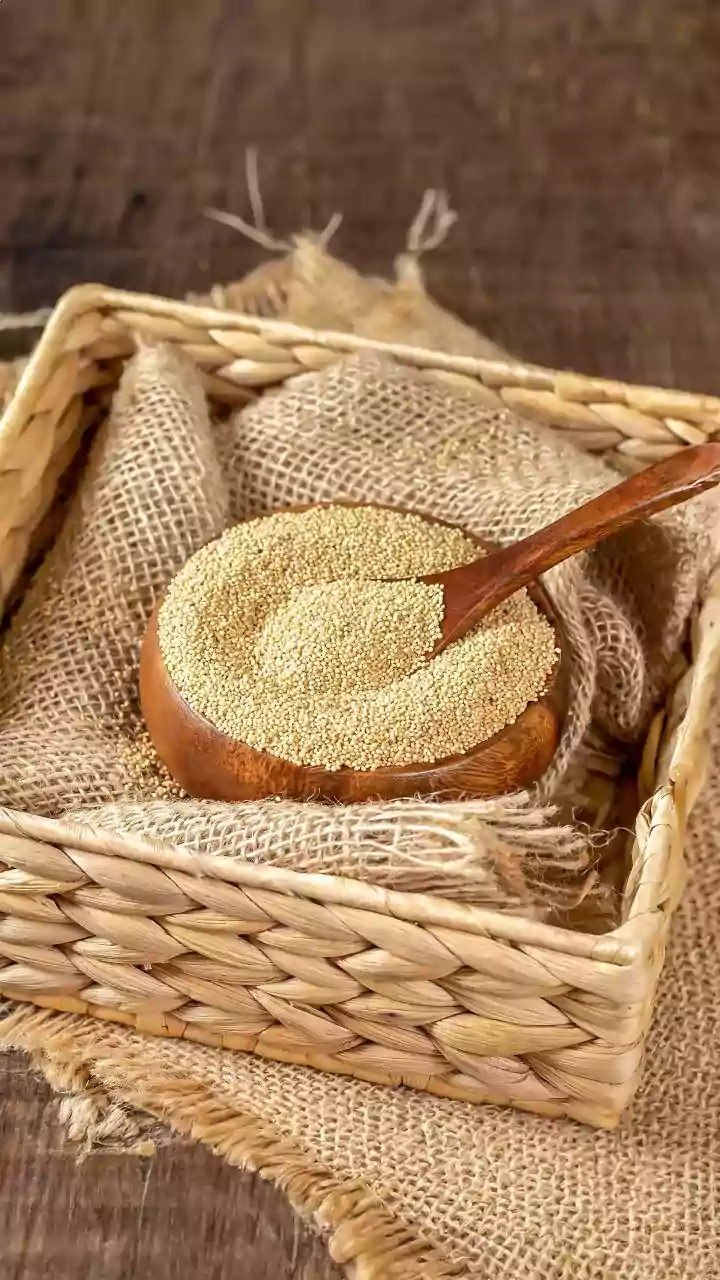
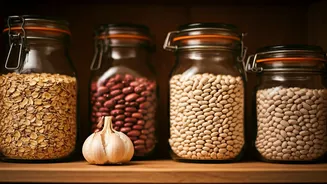
You’ve heard it a million times: eat more fiber. But it’s not that simple. There are two main types, and your gut needs a balance of both. Soluble fiber, found in oats, beans, apples, and carrots, dissolves into a gel-like substance that helps slow digestion, making you feel full and stabilizing blood sugar. Insoluble fiber, found in whole grains and many vegetables, adds bulk to stool and helps things move along, preventing constipation. The key, doctors say, is to increase your intake gradually. Suddenly overwhelming your system with a massive salad or a huge bowl of bran can cause the very gas and bloating you’re trying to avoid. Add high-fiber foods to your diet over several weeks and be sure to increase your water intake simultaneously.
Hydration is Non-Negotiable
Water is the unsung hero of digestive health. It’s particularly crucial when you’re eating enough fiber. Soluble fiber needs water to form its beneficial gel, and insoluble fiber needs it to help soften and move stool through your intestines. Without adequate hydration, a high-fiber diet can backfire, leading to constipation and hard, difficult-to-pass stools. Think of it like this: fiber is the street sweeper, but water is what allows it to move the debris along. While individual needs vary, aiming for around eight glasses of water a day is a solid starting point for most adults. Coffee and tea can contribute, but plain water is always the best choice for pure, uncomplicated hydration.
Cultivate Your Inner Garden
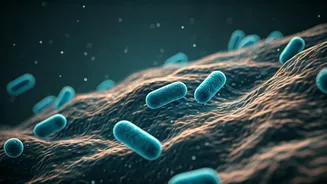
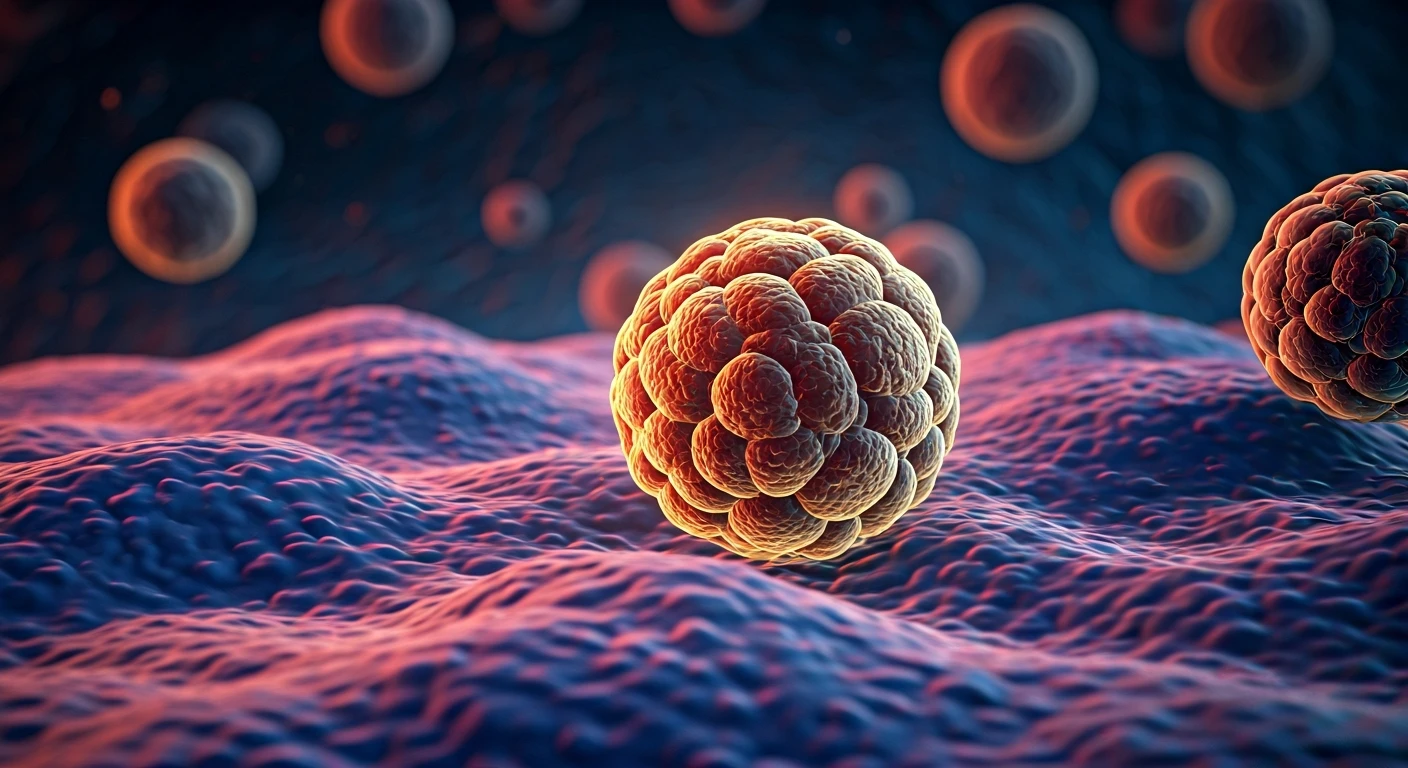
Your gut is home to trillions of microorganisms collectively known as your microbiome. Keeping this 'inner garden' balanced with beneficial bacteria is fundamental to avoiding drama. Probiotics are live, good bacteria found in fermented foods like yogurt (look for 'live active cultures'), kefir, kimchi, sauerkraut, and kombucha. They help replenish and diversify your gut flora. Just as important are prebiotics, which are types of fiber that your body can't digest but your good gut bacteria love to eat. You can find prebiotics in foods like garlic, onions, bananas, asparagus, and whole oats. Including a variety of these foods helps your beneficial microbes thrive, crowding out the less helpful ones that can cause gas and inflammation.
Identify Your Personal Triggers
While the above tips are universally helpful, gut health is highly personal. A food that one person tolerates perfectly might be a major source of drama for another. Common culprits include dairy (lactose intolerance), certain artificial sweeteners (sorbitol, mannitol), high-fat fried foods, and sometimes even healthy foods in the FODMAP family (like beans, wheat, and some fruits) for sensitive individuals. Instead of wholesale eliminating entire food groups, doctors often suggest keeping a simple food and symptom diary for a week or two. Note what you eat and how you feel an hour or two later. This can help you spot patterns and identify your specific triggers without resorting to restrictive, unsustainable diets.
Move Your Body Gently
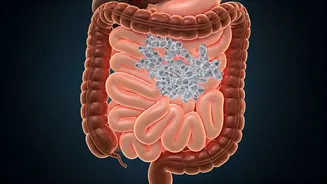
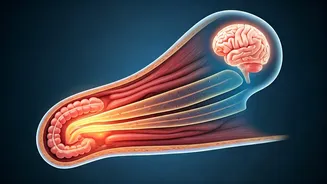
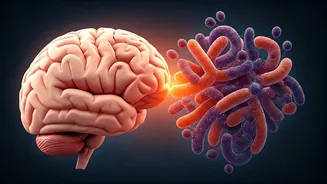
You don't need to run a marathon to help your gut. Regular, gentle movement is a powerful tool for digestive health. A simple 20-minute walk after a meal can aid digestion by stimulating the muscles in your intestinal tract, a process called peristalsis, which helps move food and waste through your system. Exercise also helps reduce stress, a major contributor to gut issues via the 'gut-brain axis.' Chronic stress can increase inflammation and make your gut more sensitive. Activities like walking, yoga, or light cycling promote both physical movement and mental calm, creating a win-win for a peaceful digestive system.