






Escaping the Syrup Cycle
We know the script. The first chill in the air signals a mad dash for drinks that taste more like dessert than a beverage. The pumpkin spice latte gives way to the peppermint mocha, a predictable and often cloyingly sweet rotation. While comforting for some,
this annual sugar rush leaves many of us craving something different—something with nuance, complexity, and a little more sophistication. This fatigue with the one-note-sweet drink menu has opened the door for a new kind of seasonal star. It’s a trend that values balance over sweetness and refreshment over richness. It’s less about a flavor and more about a feeling: bright, bubbly, and perfectly suited for those in-between days when you’re not quite ready for a heavy, hot beverage but need more than a simple iced coffee.
Meet the Espresso Tonic
The drink you need to try is the Espresso Tonic. If you haven’t seen it bubbling away on the menu at your local third-wave coffee shop, you will soon. At its core, it’s beautiful in its simplicity: a shot of rich, dark espresso poured over sparkling tonic water and ice. The magic happens as you watch the dark coffee cascade and swirl into the clear, fizzy liquid, creating a stunning ombré effect in the glass. But the real payoff is the taste. The bitter, slightly sweet quinine in the tonic water beautifully complements the bitter, acidic notes of the espresso. The result is a surprisingly balanced, crisp, and deeply refreshing drink. It has the bubbly kick of a soda, the complexity of a craft cocktail, and the welcome jolt of caffeine. It’s the adult version of a Coke float, but for coffee lovers.
The Perfect Transitional Drink
The espresso tonic’s popularity is surging because it perfectly captures the current moment in food and drink. We’re moving away from overpowering sweetness and toward more complex, savory, and even bitter flavor profiles. It’s the same reason amaro and Campari spritzes have become bar mainstays. The espresso tonic delivers that same grown-up complexity in a non-alcoholic format. It’s also the ideal transitional beverage. On a warm autumn afternoon, it’s bubbly and cooling. As the evening gets a little chillier, its rich coffee notes provide a sense of warmth and depth. It bridges the gap between summer’s cold brews and winter’s hot lattes. Many coffee shops are also using it as a canvas, adding a twist of orange peel, a sprig of rosemary, or a splash of cherry or grapefruit syrup to create unique seasonal variations.
How to Order It Like a Pro
Your best bet for finding a great espresso tonic is at an independent or specialty coffee shop—the kind of place that cares about the origin of its beans. It’s often listed on the menu simply as “Espresso Tonic” or sometimes under a more creative name like “Coffee Spritz” or “Sparkling Americano.” Don’t be shy about asking the barista about it. You can ask what kind of tonic they use (premium brands like Fever-Tree or Q Mixers work best) and what kind of espresso they recommend. Some shops pull a slightly brighter, more acidic shot specifically for the drink to enhance its fruity notes. If you see a version with a citrus garnish, go for it—a squeeze of lemon or orange brightens the entire experience.
Your Simple At-Home Version
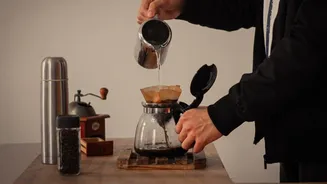
The best part about this trend is how easy it is to replicate at home. You don’t need a high-end espresso machine. Strong-brewed coffee from an AeroPress, Moka pot, or even a French press will work beautifully. 1. **Fill a tall glass** (like a Collins glass) with ice, all the way to the top. 2. **Pour in 5-6 ounces** of high-quality tonic water. Leave about two inches of room at the top. 3. **Slowly pour a shot** of hot espresso (or about 2 ounces of very strong, concentrated coffee) over the top of the ice and tonic. Pouring slowly helps create the beautiful layered effect. 4. **Garnish** with a twist of lemon, lime, or orange peel. Run the peel around the rim of the glass before dropping it in to release the essential oils. Stir gently before you sip, and enjoy the show as the layers mix.