

From 'Smelly Lunchbox' to Coveted Comfort
For many Millennial and Gen X children of South Asian immigrants, the school cafeteria was a battlefield of cultural anxiety. The aromatic spices of homemade Indian food, packed with love in a tiffin box, often drew unwanted attention and the dreaded
label of “smelly lunch.” This experience led many to beg for sandwiches and Lunchables, pushing their culinary heritage into the private sphere of the home. But for Gen Z, that narrative is being flipped. The same foods once associated with shame are now being proudly showcased online and celebrated as the pinnacle of comfort and wellness. This isn't just about enjoying a good meal; it's a powerful act of cultural reclamation. By openly embracing the flavors of their childhood, they are healing a generational wound and de-stigmatizing a core part of their identity.
The Rise of Digital 'Ghar Ka Khana'
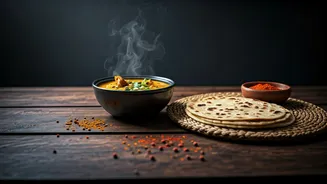
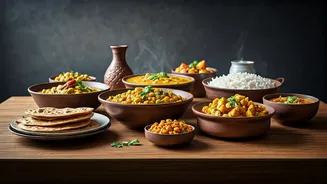
Social media is the stage for this culinary revival. On platforms like TikTok, creators are not just sharing recipes; they are curating an aesthetic around *ghar ka khana* (Hindi for “home food”). Videos show hands lovingly mixing rice and dal, steam rising from a fresh roti, and the vibrant colors of turmeric-laced vegetables. The appeal is multilayered. For members of the diaspora, it’s a deeply relatable and validating sight, a digital homecoming. For those outside the culture, it offers a window into an authentic, un-commercialized food tradition. Unlike the often heavy, cream-laden dishes found in many Westernized Indian restaurants, the food being celebrated is simple, nourishing, and deeply personal. It’s the antithesis of the performative, over-the-top food trends that have dominated social media, offering instead a sense of grounding and reality.
The 'Healing' in a Bowl of Dal
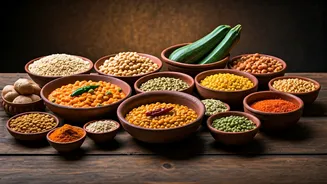
The headline’s claim of “ultimate healing power” might sound hyperbolic, but it speaks to a profound emotional truth. In a world of constant digital noise, economic uncertainty, and pressure to perform, a simple home-cooked meal offers a powerful antidote. Indian home cooking is often rooted in Ayurvedic principles that emphasize balance, nourishment, and eating for your constitution. Dishes like dal, khichdi, and vegetable curries are designed to be easily digestible and deeply satisfying. But the healing isn't just physiological. It’s the taste of a parent's love, the feeling of being cared for, and a direct link to one’s lineage. Each bite can be a reminder of family, of place, and of a history that stretches back long before they were born. In this context, food becomes a tool for self-soothing and mental wellness—a warm, edible hug in a chaotic world.
A Search for True Authenticity
This trend is part of a broader Gen Z quest for authenticity. This generation has grown up wary of corporate wellness trends, celebrity-endorsed diet plans, and the commodification of self-care. They are increasingly turning away from expensive, processed solutions and looking for wellness in tradition and community. Indian home cooking fits perfectly into this paradigm. It’s sustainable, plant-forward, and rooted in centuries of wisdom rather than a fleeting fad. It represents a form of wellness that isn’t for sale. You can’t buy the feeling of your mother’s cooking in a pre-packaged bowl from a grocery store aisle. By learning to cook these meals for themselves, young people are not just acquiring a skill; they are taking ownership of their well-being and their heritage in a way that feels genuine and empowering.