


The Heartbeat in the Clean Machine
There's an undeniable appeal to modern and minimalist interiors. They promise order, clarity, and a visual escape from the chaos of the outside world. Sleek furniture, neutral palettes, and uncluttered surfaces create a sense of calm. Yet, in our quest
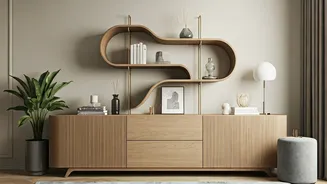
for a perfect, magazine-worthy space, we can accidentally strip out the most important element: personality. A room full of flawlessly mass-produced items can feel like a showroom or a hotel lobby—beautiful but impersonal. This is where the artisanal piece finds its purpose. It's the one-of-a-kind object that acts as a deliberate, soulful disruption. It’s the human touch that reminds you a person, not a factory, lives here. Think of it as the heartbeat in an otherwise perfectly clean machine, providing the warmth and character that turns a house into a home.
Telling a Story Through Texture and Flaw
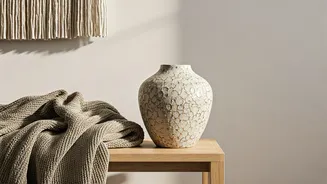
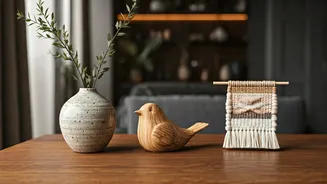
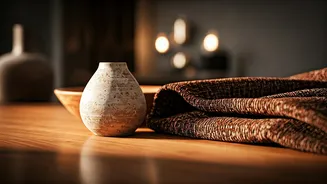
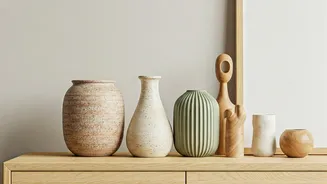
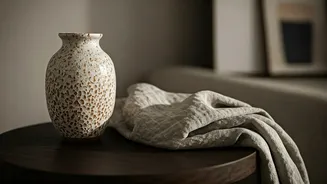
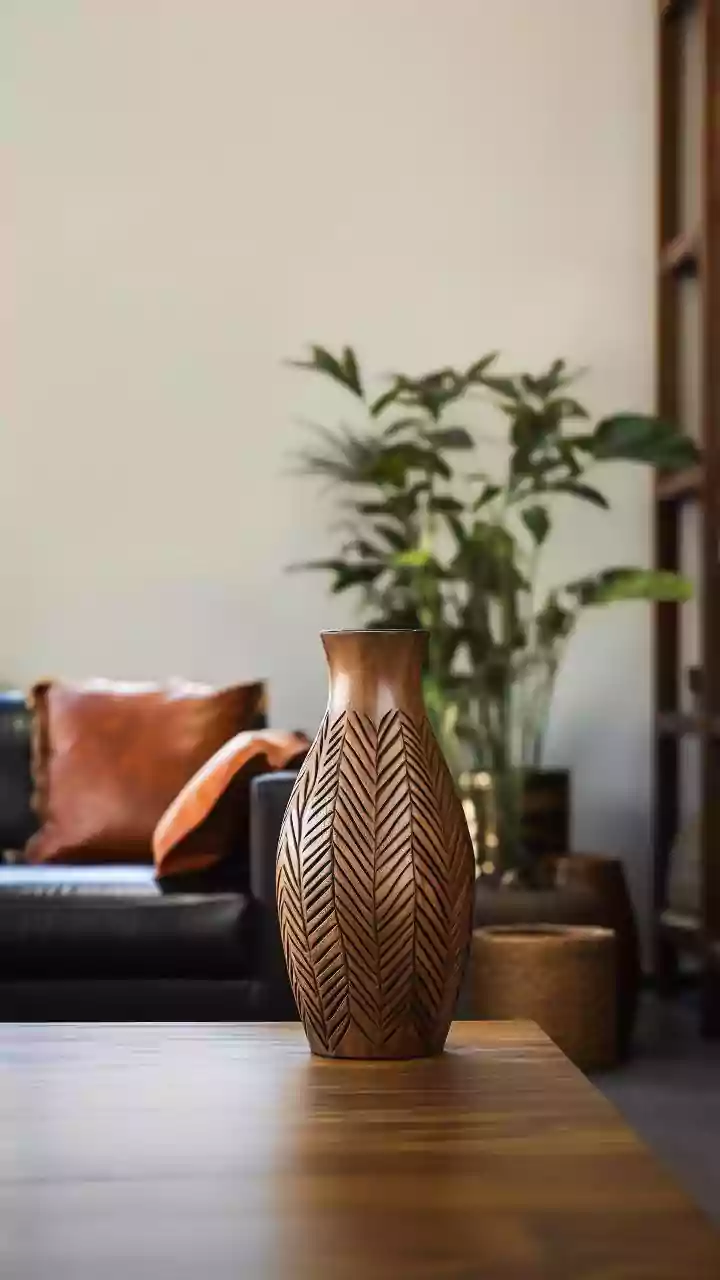
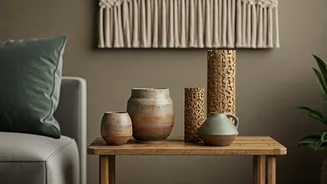
An artisanal object’s story is often told through its imperfections. Unlike a machine-made item, which is designed for uniformity, a handcrafted piece celebrates the maker’s touch. Consider a hand-thrown ceramic vase. You can almost feel the potter’s hands shaping the clay, leaving behind subtle ridges or a slightly uneven glaze. A hand-carved wooden bowl might retain the unique grain and knots of its original tree, telling a story of its life before it ever entered your home. A handwoven textile, with its slight variations in color and weave, speaks of hours of patient work. These “flaws” are not defects; they are features. They are tangible evidence of a creative process, connecting you directly to the artist and their craft. When you place such an item in a modern setting, it creates a powerful and engaging contrast—the smooth, perfect surface of a lacquered table highlights the rugged texture of the pottery that sits upon it.
Creating an Unforgettable Focal Point
One of the most effective ways to integrate artisanal pieces is to use them as a focal point. In a room defined by restraint, a single, compelling object can command attention and anchor the entire design scheme. A large, abstract painting from a local artist can inject vibrant color and emotion into a monochrome living room. A live-edge wood coffee table can introduce a wild, organic shape into a space dominated by straight lines and right angles. Even a smaller item, like a stunning piece of blown glass on a minimalist shelf or a unique sculptural lamp on a side table, can draw the eye and spark conversation. The key is to give the piece room to breathe. Don't crowd it. By allowing it to stand on its own, you amplify its importance and let its individual story shine through, turning a simple corner into a curated moment.
How to Start Weaving Your Story
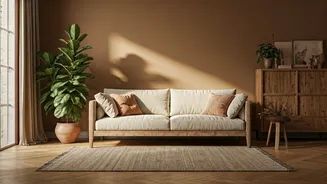
Bringing this concept into your home doesn't require a massive budget or a complete overhaul. The beauty of this approach lies in its slow, deliberate curation. Start small and choose pieces that genuinely resonate with you. Maybe it's a set of beautiful ceramic mugs from a local market that make your morning coffee feel like a ritual. It could be a soft, hand-knitted throw blanket draped over your streamlined sofa, inviting you to get cozy. Look for opportunities at local art fairs, craft markets, or even on Etsy, where you can often connect directly with makers. The goal isn't to fill your home with “stuff,” but to thoughtfully select objects that you love. Each piece you choose is a new sentence in your home’s story. Over time, these individual items will come together to form a rich, layered narrative that is uniquely yours.