


Dahi: The Probiotic Powerhouse
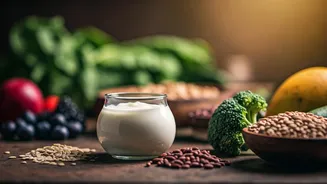
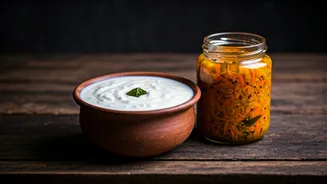
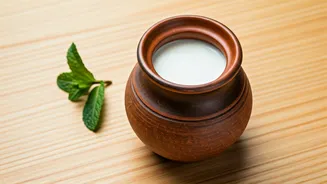
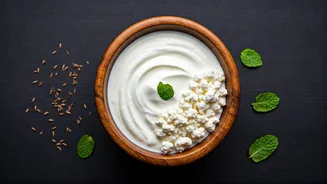
Known in the U.S. as yogurt or curd, dahi is a cornerstone of the Indian diet, especially during hot weather. It's not just a cooling side dish; it's a fermented food teeming with live bacterial cultures. In the language of modern wellness, that means
it’s a fantastic source of probiotics—the beneficial bacteria that colonize our gut and support everything from digestion to immunity. Traditionally eaten plain, in raita (a yogurt-based dip with vegetables and spices), or as the base for lassi, dahi helps soothe the digestive system, which can often feel sluggish in extreme heat. The fermentation process also makes the nutrients in milk, like calcium and protein, easier for the body to absorb.
Chaas: The Ultimate Digestive Cooler
If dahi is the foundation, chaas (or spiced buttermilk) is the refreshing elixir built upon it. This savory, watery drink is made by churning yogurt with water and adding digestive-friendly spices like cumin, ginger, and black salt. Unlike the thick, sweet buttermilk found in many American diners, traditional Indian chaas is light and specifically designed to aid digestion after a meal. The ginger acts as an anti-inflammatory agent, cumin can help reduce gas and bloating, and the drink itself helps wash down fats and oils, preventing that heavy, post-meal feeling. It’s a hydrating, probiotic-rich beverage that cools the body from the inside out while actively supporting gut function.
Moong Dal: The Gentle, Fiber-Rich Staple
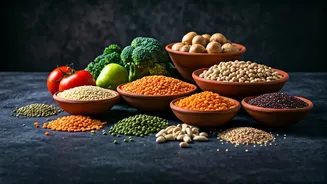
During Indian summers, heavy, complex meals are often replaced with lighter fare, and moong dal (split and skinned mung beans) is the star. This yellow lentil is famously easy to digest, making it a go-to food for recovery from illness and a staple for babies and the elderly. Its power as a gut helper comes from its high content of soluble fiber. This type of fiber acts as a prebiotic, meaning it feeds the good bacteria already living in your gut. A well-fed microbiome is a happy microbiome. Furthermore, moong dal helps promote regular bowel movements without causing the digestive distress that some other legumes can. Typically prepared as a simple soup (dal) or in a savory porridge called khichdi, it’s a comforting and deeply nourishing food.
Lauki: The Hydrating Healer
Often called bottle gourd or calabash, lauki is a summer vegetable prized in Ayurvedic traditions for its cooling and calming properties. With a water content of over 90%, it’s incredibly hydrating—a crucial factor for gut health, as water is essential for moving waste through the digestive tract. Lauki is also rich in both soluble and insoluble fiber, which adds bulk to stool and helps prevent constipation. Because of its mild flavor and soft texture when cooked, it’s extremely gentle on the stomach. It’s often cooked into simple curries or even juiced. While it might not be a familiar sight in most American grocery stores, it’s readily available at Indian and Asian markets and represents a class of summer gourds that are all about gentle, hydrating nourishment.
Aam Panna: The Vitamin-Packed Tonic
This tangy and sweet drink is a seasonal specialty made from unripe, green mangoes. Boiled and blended with water, sugar, and spices like cumin and black salt, Aam Panna is designed to combat the intense summer heat. From a gut perspective, its benefits are multifaceted. Raw mangoes are a good source of pectin, a type of soluble fiber that supports a healthy gut lining and feeds beneficial bacteria. The drink is also rich in vitamins A and C, which are antioxidants that can help reduce inflammation throughout the body, including in the gut. Traditionally, it’s known to prevent the loss of electrolytes from excessive sweating, helping maintain the body's mineral balance, which is indirectly tied to proper muscle function, including the muscles of the digestive system.