
So, What Exactly Is Kairi?
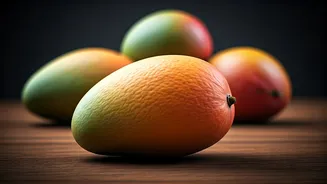
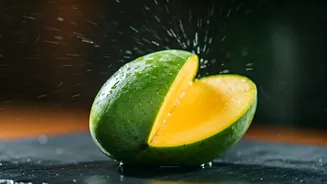
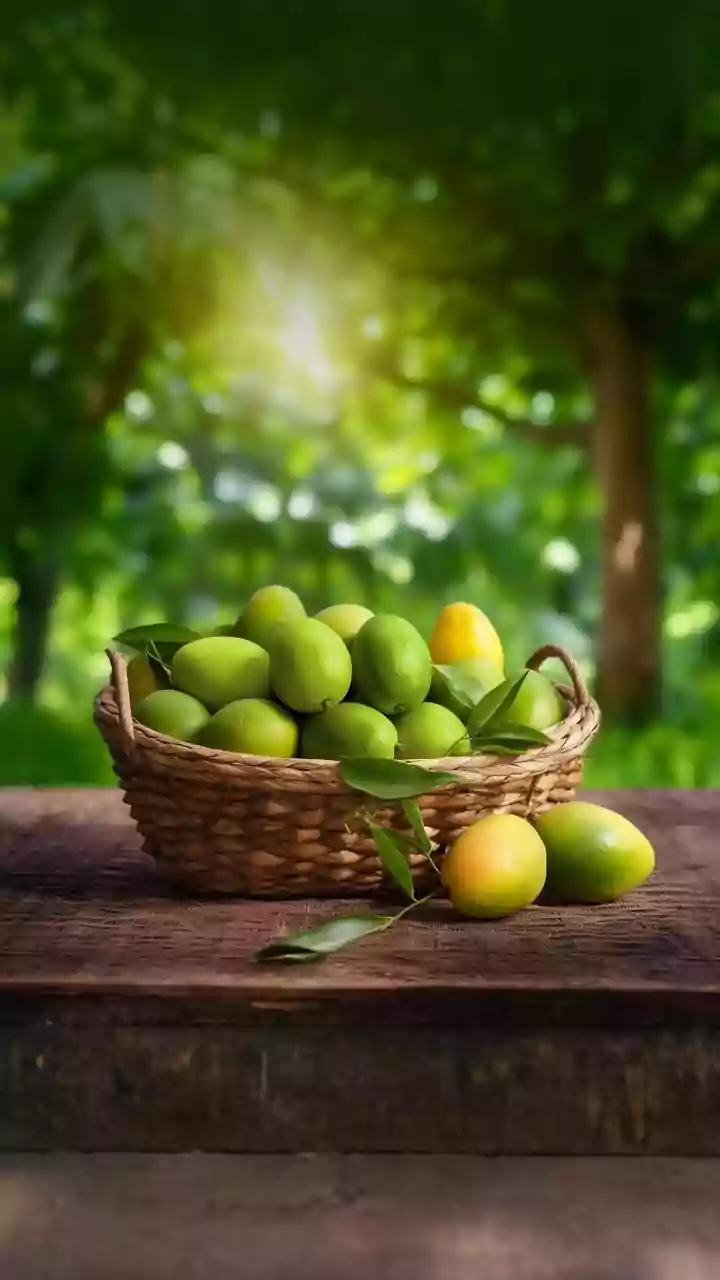
Kairi is the Hindi word for unripe or raw green mango. Before the fruit develops its signature sweetness and soft, golden flesh, it exists in a firm, pale green, and powerfully sour state. Its flavor is a world away from the honeyed notes of its ripe counterpart.
Think of the bright, sharp acidity of a lime, but with a more complex, slightly vegetal and astringent backbone. This isn't the mango you find pre-sliced in a plastic clamshell at the supermarket; this is its wild, untamed cousin. For millions in India, the arrival of kairi season is a momentous annual event, heralding the coming of summer. The fruit is a culinary workhorse, valued not for sweetness but for its ability to add a puckering, mouth-watering tang that can cut through richness, preserve foods, and provide a refreshing counterpoint to the sweltering heat. Its texture is just as important—crisp and crunchy when raw, it softens into a silky, flavor-infusing pulp when cooked.
A Taste of Indian Summer
For generations, kairi has been a staple of Indian home cooking, not a fine-dining ingredient. Its most famous application is in *achaar*, or Indian pickle, where chunks of raw mango are preserved in oil and a fiery blend of spices, creating a condiment that lasts for months and accompanies countless meals. In the scorching heat, nothing beats a glass of *aam panna*, a restorative drink made from boiled and mashed kairi, sugar, and spices like cumin and black salt. It’s India’s original, all-natural electrolyte drink. But its uses are far more varied. In the south, it’s grated into rice dishes or simmered into fish curries, where its acidity tenderizes the protein and brightens the coconut-based gravy. In the west, it’s cooked with lentils to make *kairi dal*, a soupy, comforting dish that balances the earthiness of the legumes with a sour kick. This isn’t a novelty ingredient; it’s a foundational flavor, deeply woven into the fabric of regional Indian food.
From Home Kitchens to Hip Restaurants
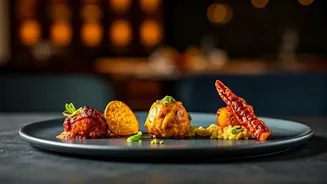
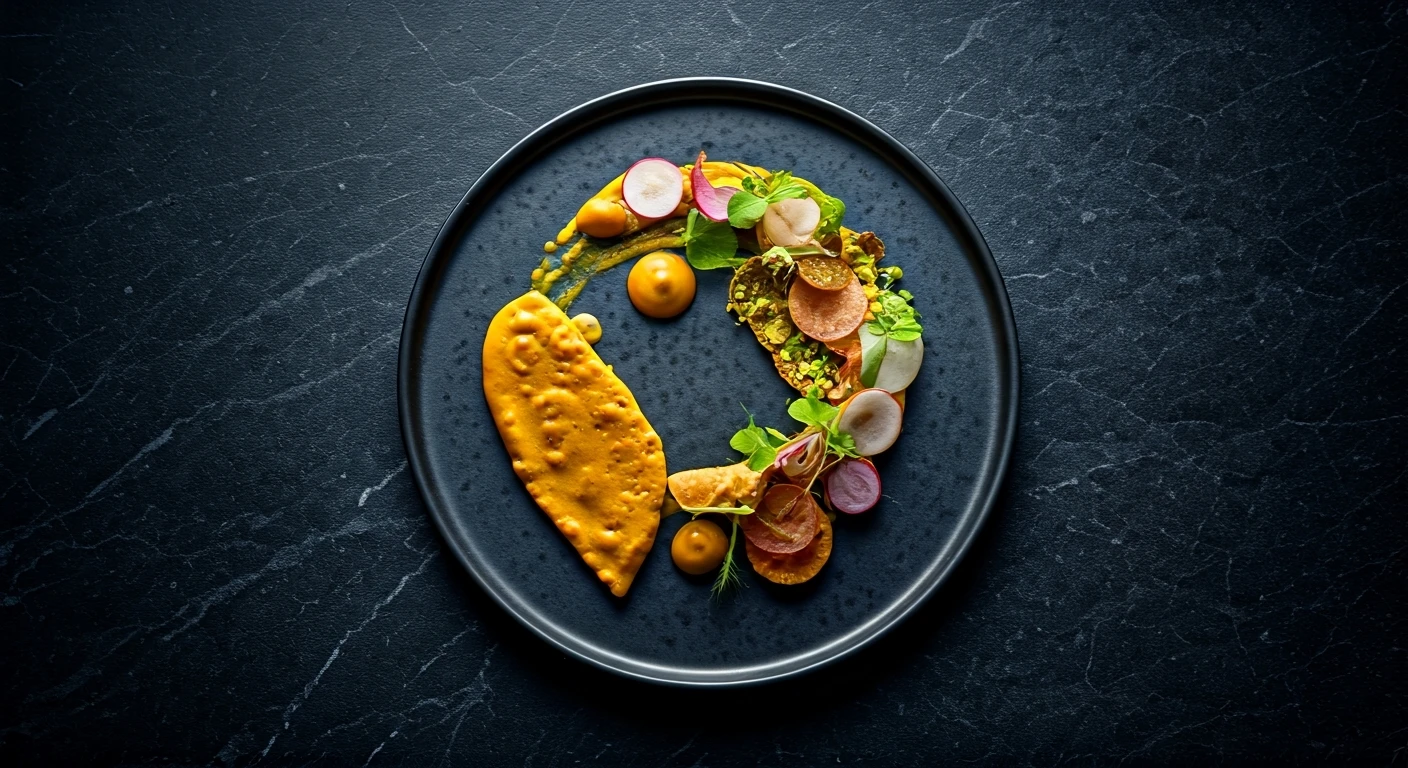
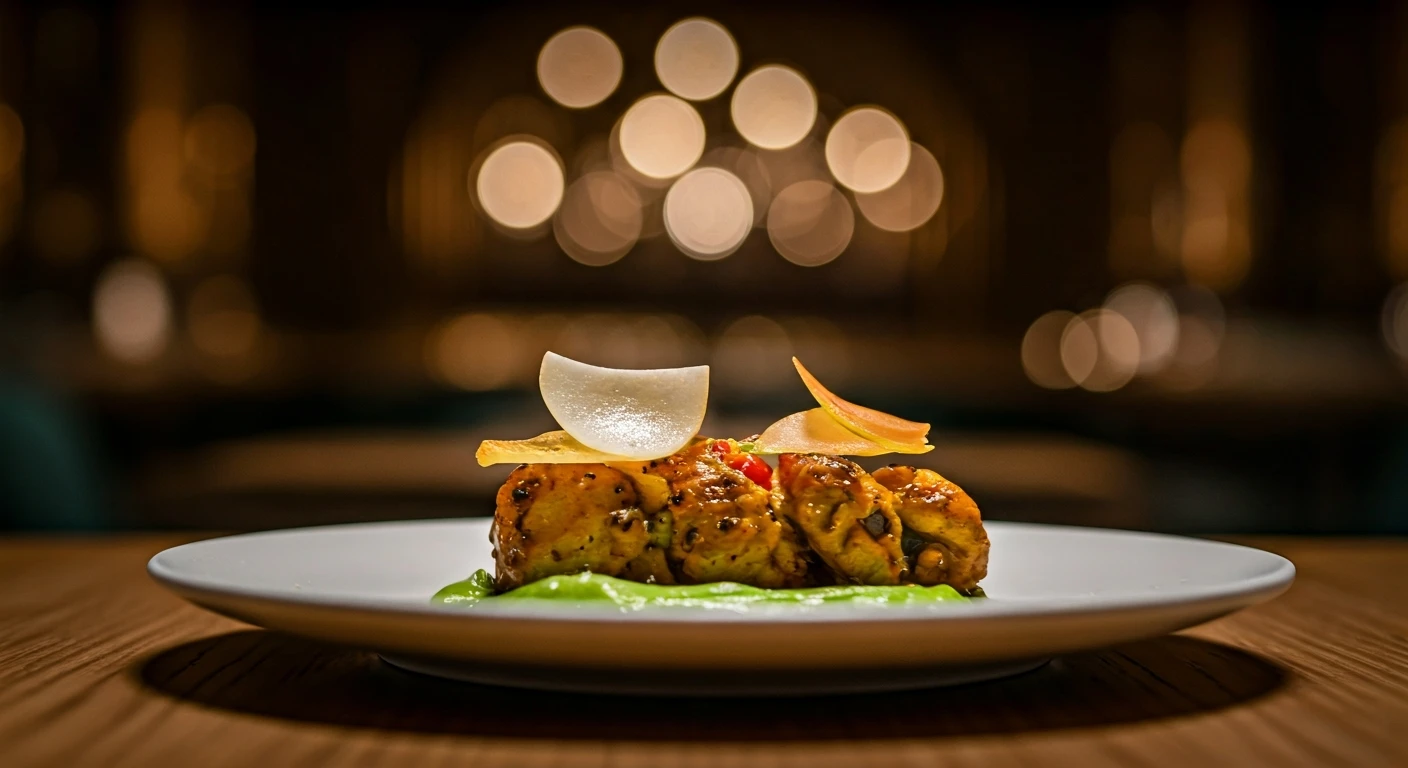
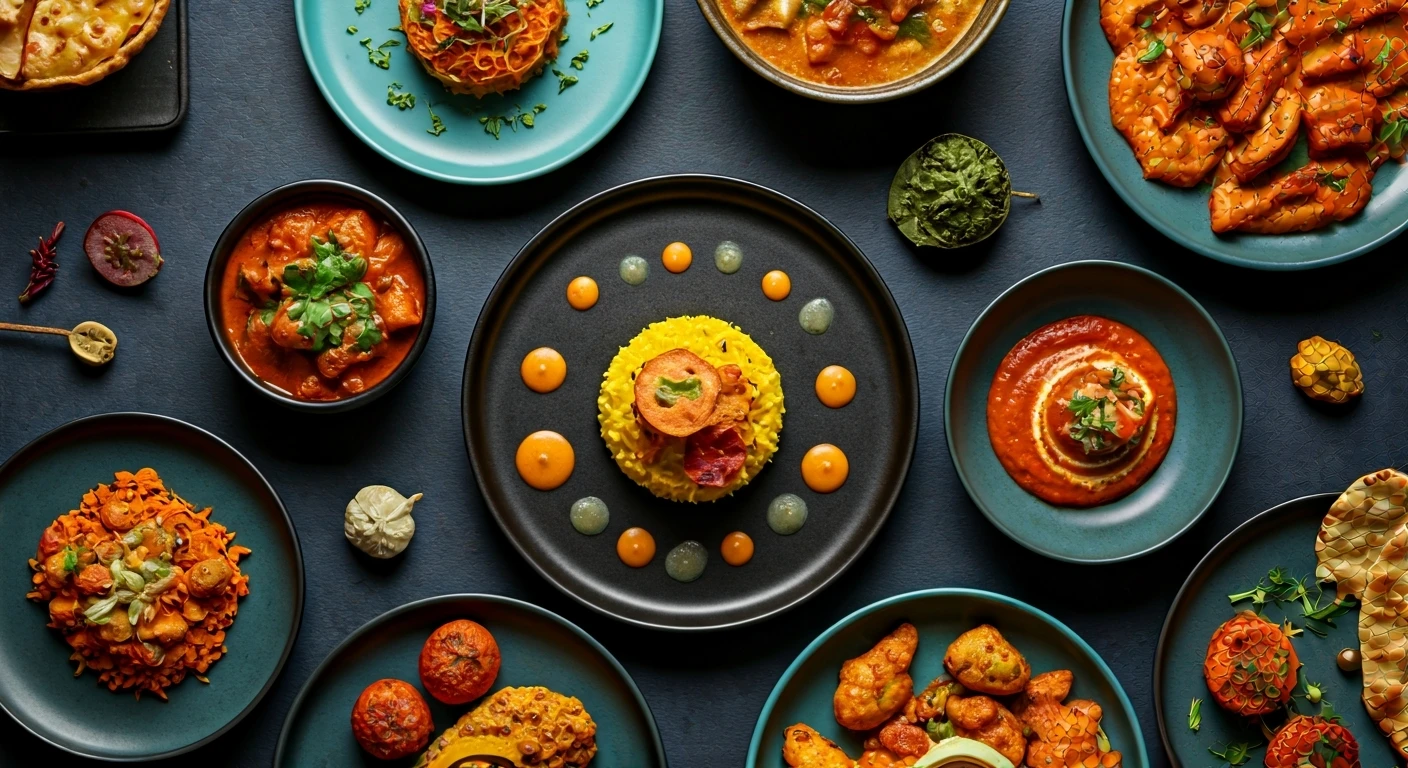
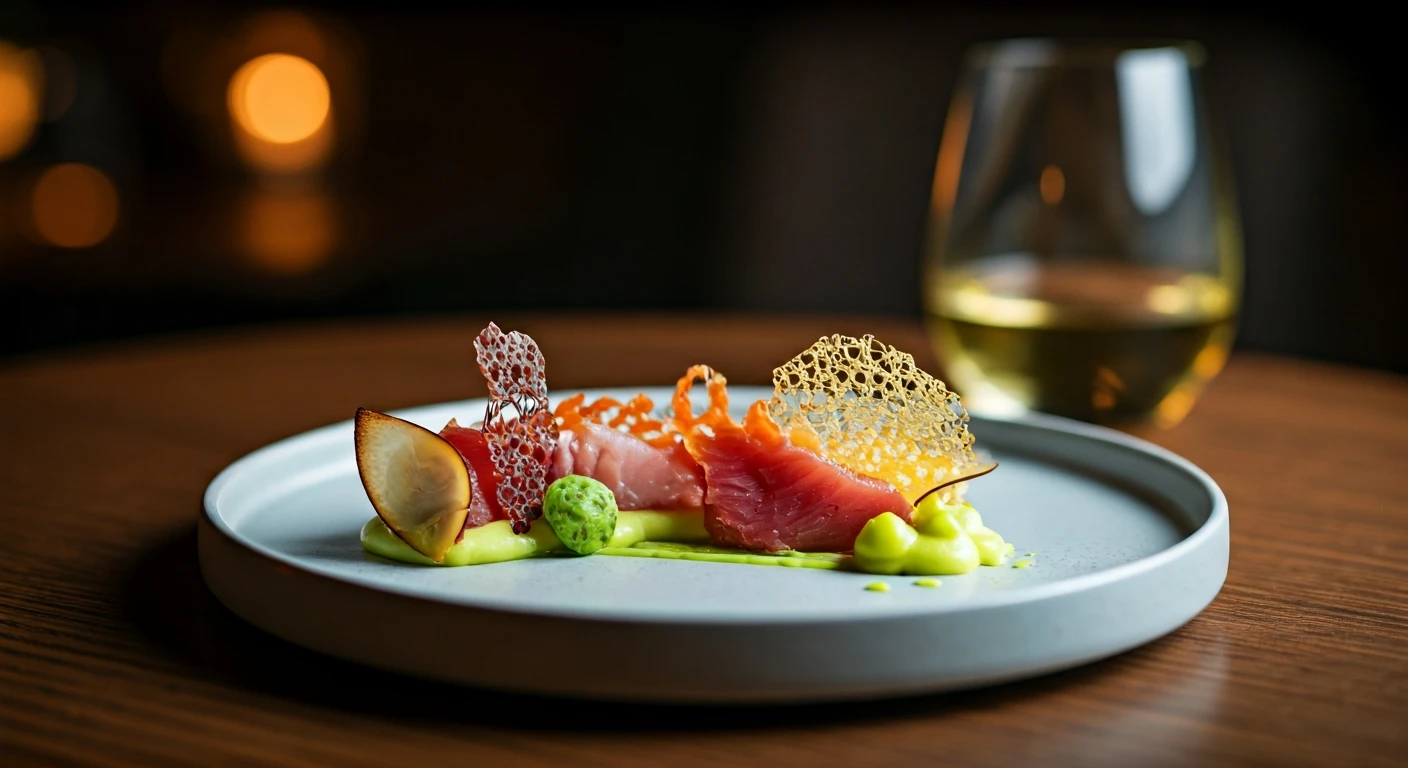
So why are you suddenly seeing it on menus in New York, San Francisco, and Chicago? The rise of kairi in American restaurants is part of a broader, exciting shift in Indian cuisine. For years, Indian food in the U.S. was defined by a handful of northern, Mughlai-inspired dishes: creamy chicken tikka masala, buttery naan, and safe, predictable palak paneer. But a new generation of chefs is pushing back against this monolithic representation. These chefs, many of whom grew up eating hyper-regional and seasonal food, are now confident that American diners are ready for the real deal. They are digging into their own culinary memories and showcasing the specific, often assertive flavors of their home regions. Kairi is a perfect vehicle for this. It’s an ingredient that speaks of authenticity and seasonality. You might find it in a tangy kairi-infused gin cocktail, a delicate crudo brightened with slivers of green mango, or a complex fish curry that tastes exactly like something one might eat on the Konkan coast. It’s a signal from the chef: “This is the food I love. I trust you’ll love it, too.”
Why This Tangy Trend Matters
The appearance of kairi on a menu is more than just a culinary curiosity; it’s a sign of maturity. It shows that Indian cuisine in America is finally moving beyond the buffet line and into a space of nuance, specificity, and creative confidence. It reflects a dining public that is more adventurous and less reliant on anglicized versions of ethnic foods. When a chef feels empowered to serve a dish that is unapologetically sour, it means they believe their audience has the palate to appreciate it. This trend celebrates the diversity within India itself—a country where the cuisine can change dramatically every hundred miles. By embracing ingredients like kairi, chefs are telling a more complete and honest story about Indian food. It’s a story that includes the sharp, the sour, and the pungent, not just the creamy and mild. It’s a delicious declaration that Indian food is not one thing, but a vast and vibrant universe of flavors still waiting to be explored by the American diner.