



The Problem with Rainy Walks
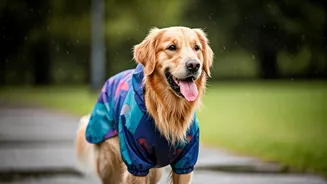
Every dog owner knows the routine. The sky opens up, but the dog still needs to go out. What follows is an inevitable series of damp, inconvenient events. First, there's the reluctance of some dogs to even step outside. Then comes the walk itself, where
their coat becomes a sodden sponge, collecting rain, mud, and street grime. The real work begins back at home. You’re faced with a frantic toweling session, a trail of paw prints across the floor, and that famously persistent “wet dog” smell that can permeate a home for hours. For owners of long-haired or double-coated breeds, the problem is magnified; their fur can take an eternity to dry, leaving the dog uncomfortably chilled and the house perpetually damp. It’s a frustrating, messy, and repetitive cycle that has left pet owners searching for a better way.
What Makes Microfibre the Solution?
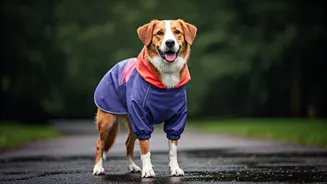
Enter the microfibre raincoat. While pet raincoats aren't new, the material they’re made from is what’s causing the current buzz. Unlike traditional vinyl or nylon jackets that simply repel water, microfibre offers a two-pronged attack. The material is composed of ultra-fine synthetic fibers, packed densely together. This structure creates a surface that is highly water-resistant, causing raindrops to bead up and roll off. But its real magic lies in its absorbency. For any moisture that does get through, or for the water splashed up from puddles, the microfibre acts like a super-absorbent towel. It wicks moisture away from the dog’s fur and traps it within its fibers. The result? The dog underneath stays significantly drier and cleaner. Furthermore, microfibre is known for being incredibly lightweight, breathable, and soft, meaning it’s more comfortable and less restrictive for dogs who might otherwise hate wearing gear.
It’s Not Just About Staying Dry
The benefits of these coats extend beyond simple water resistance. The most significant advantage is the 'quick-dry' aspect for both the dog and the coat itself. Because the microfibre pulls water away from the fur, the dog’s drying time is drastically reduced once the coat is removed. Many owners report that a quick pat-down is all that’s needed, versus a prolonged, vigorous toweling. The coat itself also dries in a fraction of the time a wet towel or a standard jacket would, preventing it from developing a musty odor. For many dogs, especially smaller breeds, senior dogs, or those with short fur, the coat also provides a crucial layer of insulation against the cold shock of wind and rain. It helps maintain their core body temperature, making walks on dismal days safer and more comfortable. And for the house-proud owner, the full-body coverage of many styles means less mud and dirt being tracked into the home, dramatically cutting down on cleanup.
How to Choose the Right Coat
If you're considering investing in a microfibre raincoat, a few key features can make all the difference. The most critical element is the fit. A coat that’s too tight will be uncomfortable and restrictive, while one that’s too loose won’t offer adequate protection. Use a soft measuring tape to get your dog’s length (from the base of the neck to the base of the tail), chest girth (the widest part of their ribcage), and neck girth. Compare these measurements to the manufacturer's sizing chart, and don't just guess based on breed. Look for designs that offer good belly coverage to protect from splashes. Other valuable features include a secure leash portal or harness opening, adjustable straps for a customized fit, and reflective piping or bright colors to enhance visibility on gray, gloomy days. Finally, check the care instructions; most microfibre products are machine washable, making them as easy to care for as they are to use.