







Why Your Body Needs Downtime
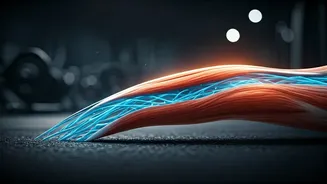
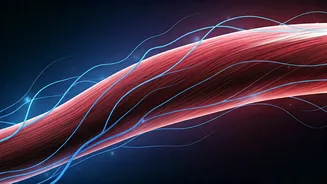
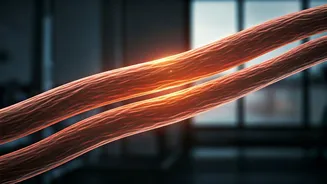
Think of your workouts as the act of creating tiny tears in your muscle fibers. This isn't a bad thing; it's the necessary stimulus for growth. However, the actual growth—the part where you get stronger, faster, and more resilient—doesn't happen during
the workout itself. It happens afterward, when your body is given the time and resources to repair that damage and rebuild the muscle tissue even stronger than before. Without proper recovery, you're just breaking your body down without ever giving it a chance to build back up. This leads to plateaus, burnout, increased risk of injury, and chronic fatigue. Treating recovery as an active, planned part of your routine is the switch that turns effort into results.
The Ultimate Recovery Tool: Sleep
If you could only choose one recovery method, it would be sleep. It's free, accessible, and more powerful than any gadget or supplement. During deep sleep, your body releases human growth hormone (HGH), which is essential for repairing tissues and building muscle. Sleep also regulates cortisol, the stress hormone that can hinder recovery and promote fat storage when chronically elevated. Aiming for 7-9 hours of quality sleep per night is non-negotiable for anyone serious about their fitness. It's during these hours that your nervous system recalibrates, your muscles heal, and your brain consolidates motor skills learned during your training. Skimping on sleep is like doing all the work in the gym and then throwing away the rewards.
Fueling the Repair Process
Your body can't rebuild itself from nothing. Post-workout nutrition and consistent hydration are the raw materials for recovery. Immediately after a workout, your muscles are primed to absorb nutrients. Consuming a combination of protein and carbohydrates within an hour or two can kickstart the repair process. Protein provides the amino acids necessary to rebuild muscle tissue, while carbohydrates replenish your glycogen stores—the fuel your muscles run on. Don't neglect hydration, either. Water is crucial for transporting nutrients to your cells, flushing out metabolic waste, and regulating body temperature. Dehydration can severely impede muscle function and recovery, making you feel sluggish and sore for longer.
Active Recovery: The Gentle 'Workout'
Recovery doesn't always mean lying on the couch. Active recovery involves low-intensity movement on your 'off' days, and it can be one of the most effective ways to combat muscle soreness. Activities like a brisk walk, a gentle bike ride, swimming, or a light yoga session increase blood flow throughout the body. This enhanced circulation delivers more oxygen and nutrients to your tired muscles while helping to clear out the metabolic byproducts (like lactic acid) that contribute to stiffness and soreness. Think of it as a gentle flush for your system. A 20-30 minute active recovery session can leave you feeling less stiff and better prepared for your next intense workout than complete rest.
Mobility and Soft Tissue Work
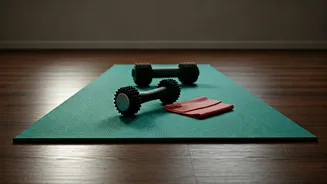
Intense exercise can leave muscles feeling tight and knotted. Over time, this can restrict your range of motion and lead to compensatory movement patterns that increase injury risk. This is where mobility and soft tissue work come in. Tools like foam rollers, massage guns, and lacrosse balls allow you to perform self-myofascial release, a form of self-massage that helps break up adhesions in your muscles and connective tissues. Regular stretching, both dynamic (before a workout) and static (after a workout or on recovery days), also helps maintain flexibility and joint health. Dedicating just 10-15 minutes a day to this practice can dramatically improve how you feel and move.