
What is Designing from Memory?
At its heart, designing from memory is the practice of curating a home based on personal history, experiences, and emotions rather than a specific, pre-packaged aesthetic. It’s the opposite of “fast fashion” decor, where trends are adopted and discarded
seasonally. Instead, this approach champions the pieces that tell your story: the slightly chipped ceramic pitcher from a trip to Portugal, your grandmother’s worn armchair, a framed map of the city where you fell in love. It’s not about creating clutter; it’s about intentional storytelling. Each object isn't just a 'thing' but a physical anchor for a cherished moment, feeling, or person. The goal isn't perfection, but personality.
An Antidote to the Instagram-Perfect Room
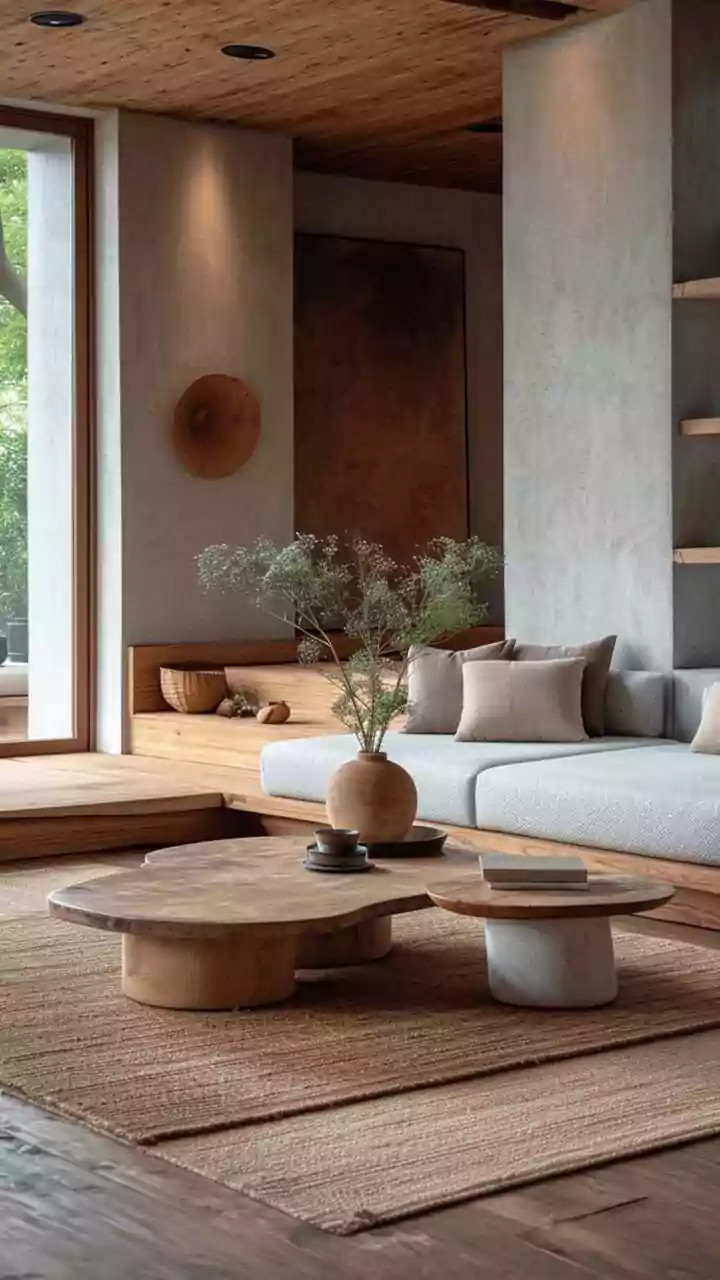
For the past decade, social media has pushed a certain kind of interior design: clean, neutral, and meticulously staged for a photograph. While beautiful, this aesthetic can often feel impersonal, more like a hotel lobby or a real-estate listing than a lived-in home. Designing from memory is a direct, soulful rebellion against this sanitized look. It argues that a home’s primary function is to comfort and reflect its inhabitants, not to perform for an unseen audience. It embraces the imperfect, the quirky, and the sentimental, creating spaces that feel genuinely authentic because they are built from the raw material of a real life.
Start with Your Own Archives
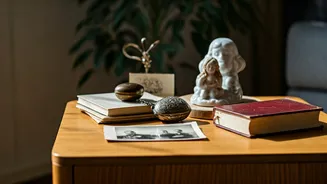
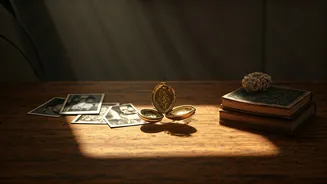
The first step is to shop your own house—and your own history. Look beyond an item’s monetary value or current trendiness and ask what it means to you. That collection of beach glass from family vacations? Don’t hide it in a drawer; display it in a beautiful glass jar on a bookshelf. The stack of your kids’ early drawings? Select a few favorites and have them professionally framed for a gallery wall. Even something as simple as a beloved, dog-eared paperback can become part of the decor. These items are conversation starters and daily reminders of your journey. They infuse a space with a warmth and character that no mass-produced object ever could.
It’s More Than Just Objects
While heirlooms and souvenirs are the most literal interpretation, designing from memory can also be beautifully abstract. Think about the sensory details of your favorite places. Was your childhood bedroom painted a soft, buttery yellow? You could bring that color into your current kitchen to evoke a sense of comfort and nostalgia. Did you love the feeling of cool, terracotta tiles under your feet on a trip to Spain? Consider using similar tiles for a backsplash or patio. This method uses color palettes, textures, and even scents to tap into the emotional core of your memories, creating a layered, multisensory experience of home.
How to Curate, Not Clutter
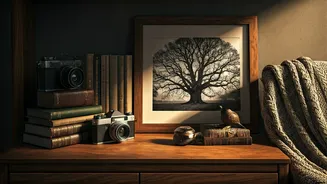
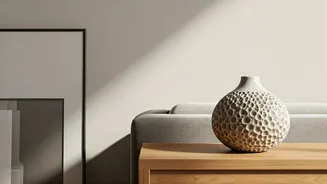
The biggest fear with this approach is that it will lead to a messy, cluttered space. But the key is curation. You don't have to display everything. Be a ruthless editor of your own past. Choose the items that resonate most deeply and give them pride of place. Mix them with modern, functional pieces to keep the look feeling fresh, not like a dusty antique shop. A vintage hand-carved decoy can look stunning on a sleek, minimalist console table. Your grandfather's watch can be displayed under a glass cloche. The trick is to create a balance between old and new, personal and practical, ensuring every piece has room to breathe and tell its story.