






1. Rethink Your Wash Routine
Over-washing is one of the most common culprits behind dry, lackluster hair. Shampoo is designed to strip away oils and product buildup, but daily use can remove the natural sebum your scalp produces to keep hair moisturized and protected. Most people
don't need to wash their hair every day. Try scaling back to every other day, or even a few times a week, depending on your hair type. When you do wash, focus the shampoo on your scalp, where oil and dirt accumulate. Let the suds run down the lengths of your hair as you rinse, which is usually enough to cleanse them without causing unnecessary dryness. A healthy scalp is the foundation of healthy hair, so give it a gentle massage as you shampoo to boost circulation.
2. Turn Down the Heat
Hot water feels great, but it’s not your hair’s friend. High temperatures open up the hair cuticle, which can lead to moisture loss, frizz, and even color fading for those who dye their hair. Instead of a steaming hot shower, wash and rinse your hair with lukewarm water. For an extra boost of shine, finish with a quick blast of cool or cold water. This helps seal the cuticle, locking in moisture and creating a smoother, more reflective surface. The same logic applies to heat styling. Whenever possible, let your hair air dry. If you must use a blow dryer, flat iron, or curling wand, always apply a heat protectant spray first and use the lowest effective temperature setting.
3. Master the Towel Dry
That vigorous, back-and-forth towel rub you do post-shower? It's causing more harm than good. When hair is wet, it’s at its most fragile and susceptible to damage. Aggressively rubbing it with a coarse cotton towel creates friction that roughens up the cuticle, leading to frizz, breakage, and split ends. The simple fix is to switch your technique. Gently squeeze the excess water out of your hair with your hands first. Then, pat—don't rub—your hair dry with a soft, absorbent towel. For an even better result, swap your standard bath towel for an old, soft t-shirt or a microfiber hair towel, both of which are much gentler on the delicate hair shaft.
4. Upgrade Your Pillowcase
You can improve your hair health while you sleep. Traditional cotton pillowcases can be rough on your hair, creating friction as you toss and turn throughout the night. This can lead to tangles, frizz, and breakage—what stylists sometimes call "bed head." Making the switch to a silk or satin pillowcase provides a smoother, slicker surface. Your hair glides across it with minimal friction, helping to preserve your style, reduce tangles, and prevent the moisture-stripping effect that absorbent cotton can have. It’s a small, one-time change that pays dividends for your hair (and skin) every single night.
5. Detangle with Care
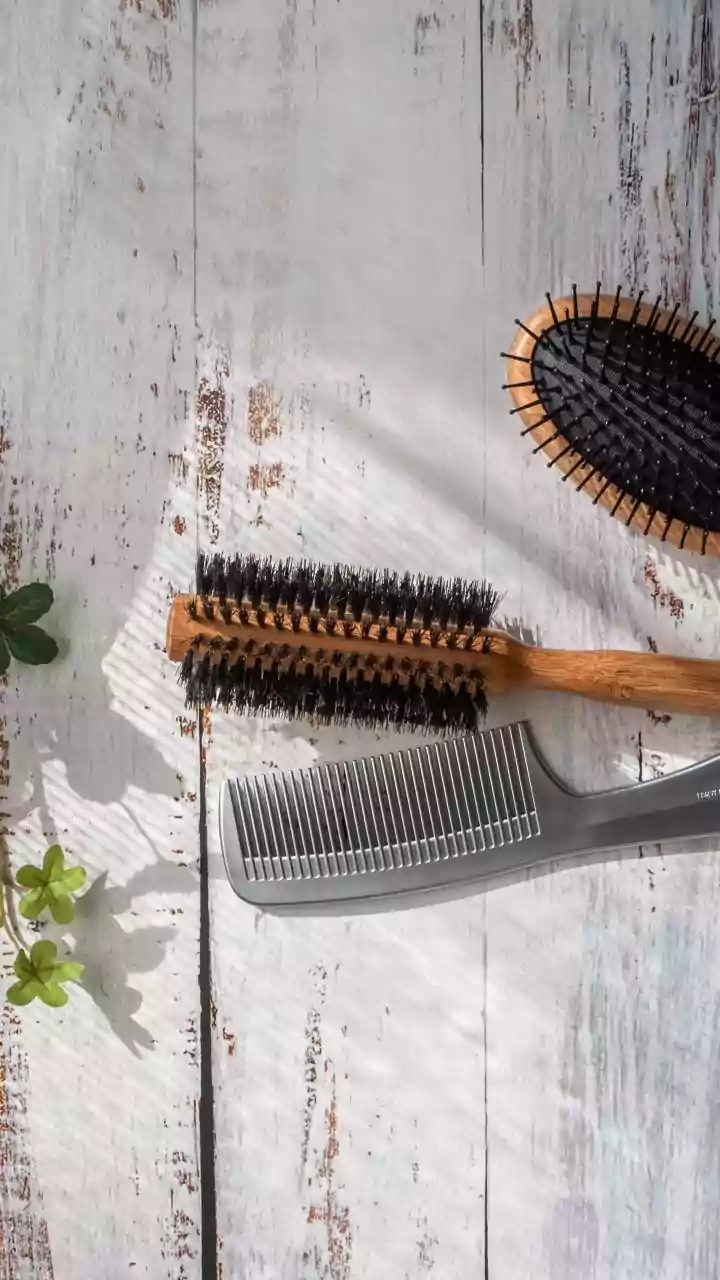
Ripping a brush through tangled, wet hair is a recipe for disaster. To prevent snapping and breakage, detangling requires patience and the right tools. First, never attack tangles when your hair is sopping wet. Wait until it's damp and apply a leave-in conditioner or detangling spray to provide some 'slip'. Second, use a wide-tooth comb instead of a brush. A comb is gentler and less likely to pull and break strands. Finally, start from the bottom. Work your way through tangles at the ends of your hair first, then gradually move up toward the roots. This method prevents you from pulling a small knot all the way down the hair shaft, which can create a much bigger tangle and cause significant damage.
6. Feed Your Hair from Within
Topical products can only do so much. Truly healthy hair starts from the inside out. Your hair is primarily made of protein (keratin), so ensuring you get enough protein in your diet is crucial for building strong strands. Foods rich in iron, zinc, and omega-3 fatty acids also play a vital role in hair health and growth. Think lean meats, fish, eggs, nuts, beans, and leafy greens. A balanced diet supports the hair follicles and promotes the growth of strong, resilient hair. While supplements like biotin are popular, most people get enough from their diet, and it’s always best to focus on whole foods first for a well-rounded approach to wellness.