
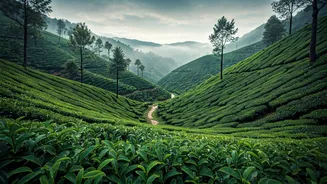


A Symphony of Mist and Green
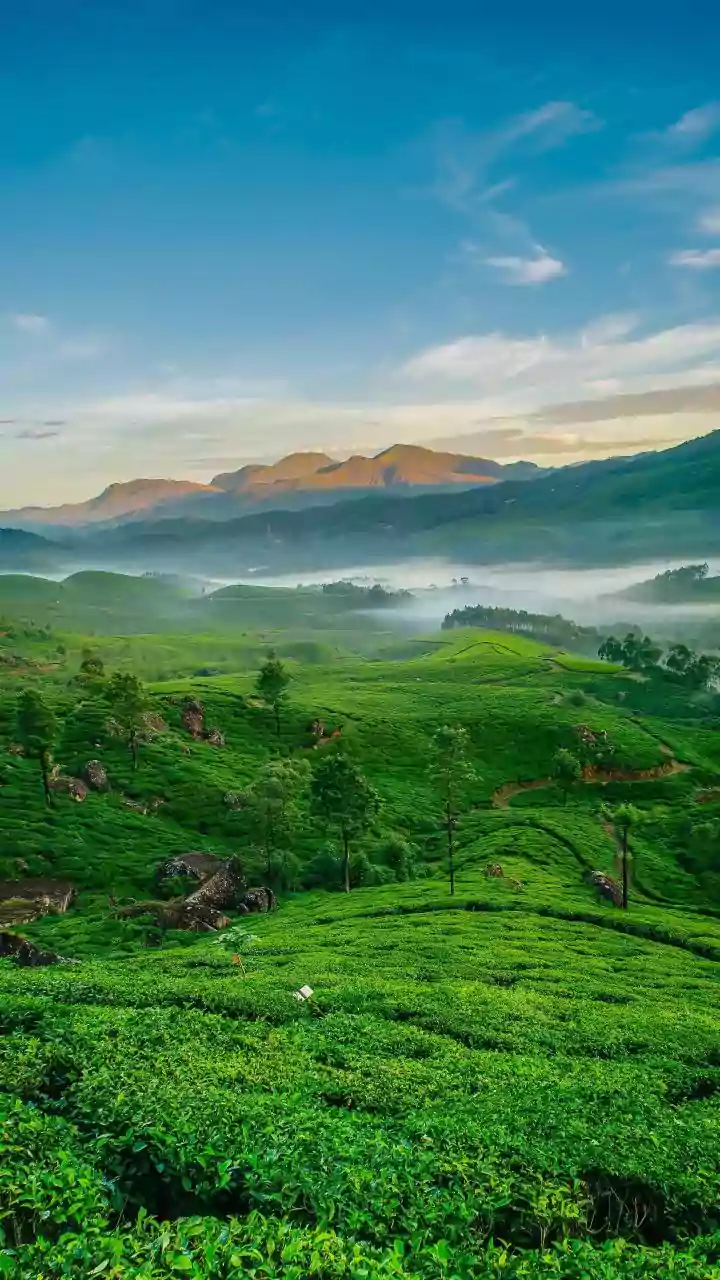
Welcome to the Western Ghats, a mountain range in Southern India that’s home to the country’s coffee heartland. Here, in districts like Kodagu (often called Coorg) and Chikmagalur, the monsoon season transforms the landscape into a cinematographer’s dream.
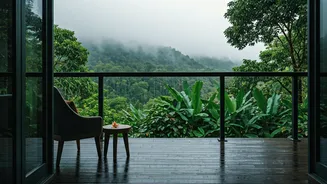
From June to September, heavy rains wash over endless acres of coffee and spice plantations. Far from a deterrent, this downpour is the main attraction. The air grows thick with the scent of wet earth, pepper vines, and blossoming coffee flowers. The world shrinks to the view from your window—a panorama of rolling hills fading in and out of a dense, moving fog. This isn't just weather; it's an atmosphere, an immersive experience that feels a world away from the hustle of modern life. The constant, gentle drumming of rain on a tiled roof becomes the soundtrack to your stay, a meditative rhythm that encourages you to slow down completely.
The Anatomy of a Perfect Shot
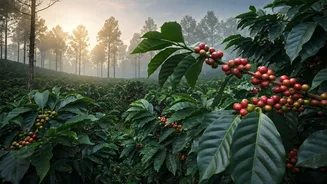
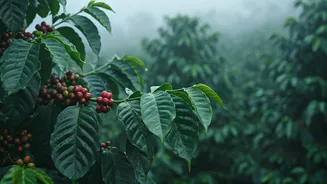
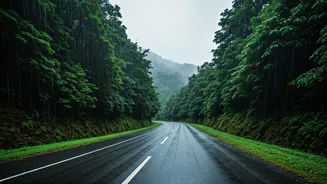
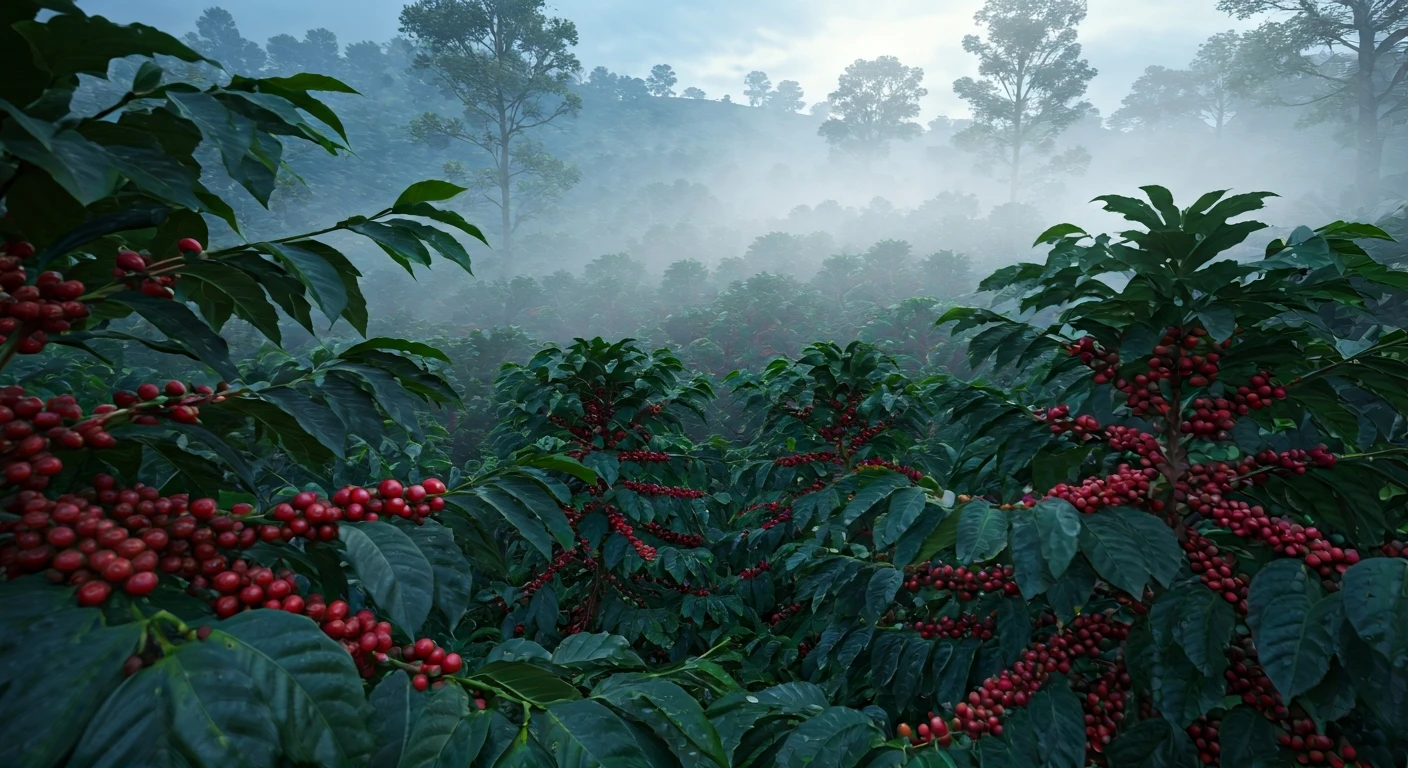
The term “Reel-Ready” is no exaggeration. Social media feeds light up with visuals from this region, each telling a story of moody, romantic escape. The quintessential shot? A car navigating a narrow, winding road flanked by a towering canopy of silver oak trees, rain streaking the windshield. Another popular frame is the view from a colonial-era bungalow or a modern homestay, where an infinity pool seems to merge with the misty valley below. Close-ups are just as captivating: glistening red coffee cherries waiting to be picked, tiny water droplets clinging to a spider’s web, or the perfect swirl of milk in a dark, locally brewed espresso. It’s a visual language built on greens, grays, and deep browns. This aesthetic taps into a desire for authenticity and tranquility, a stark contrast to the bright, over-saturated look of many travel destinations. It’s about capturing a feeling of being enveloped by nature, not just observing it from a distance.
More Than Just a Pretty Picture
While the views are stunning, the region’s appeal runs much deeper. Chikmagalur is, according to legend, the birthplace of coffee in India. The story goes that in the 17th century, a Sufi saint named Baba Budan smuggled seven coffee beans from Yemen and planted them on the slopes of the hills that now bear his name. That single act blossomed into the sprawling industry that defines the area’s culture and economy. Today, many of the plantations are family-owned, passed down through generations. These estates aren’t just tourist attractions; they are living, working farms. Staying in one of the many “homestays”—often beautifully maintained heritage bungalows located right on the plantations—gives you a front-row seat to this history. You’re not just a guest; you’re briefly part of a legacy that has shaped the land for centuries.
The Ultimate Coffee Immersion
A trip here is an education in all things coffee. Many estates offer guided “bean-to-cup” tours where you can walk through the plantations, learn to distinguish Arabica from Robusta plants, and see the entire process of harvesting, drying, roasting, and grinding. The experience culminates, of course, in a tasting. Sipping a cup of single-origin coffee that was grown, processed, and brewed within a few hundred feet of where you stand, all while watching the rain fall over the fields, is a uniquely satisfying moment. The local filter coffee, a strong brew mellowed with hot milk and served in a traditional steel tumbler and dabarah, is a cultural staple and an absolute must-try. It’s a warm, comforting ritual that perfectly complements the cool, damp weather, grounding the entire picturesque experience in something real, tangible, and delicious.