


First, A Note on Preparation
Before you start transforming your peels, a quick but crucial word on safety. Fruit skins are the plant’s first line of defense, which means they’re also where pesticides and waxes accumulate. Whenever you plan to consume or use a peel, it’s best to start with
organic fruit. Regardless, give your fruit a thorough scrub under running water. A vegetable brush can help remove any surface residue. For citrus, a quick blanch in boiling water can help soften the rind and remove any waxy coating. Once cleaned and dried, you’re ready to go.
1. Citrus Peels: The Flavor Powerhouse
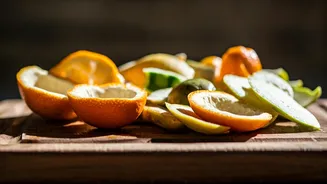
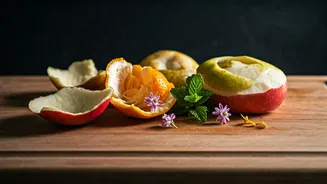
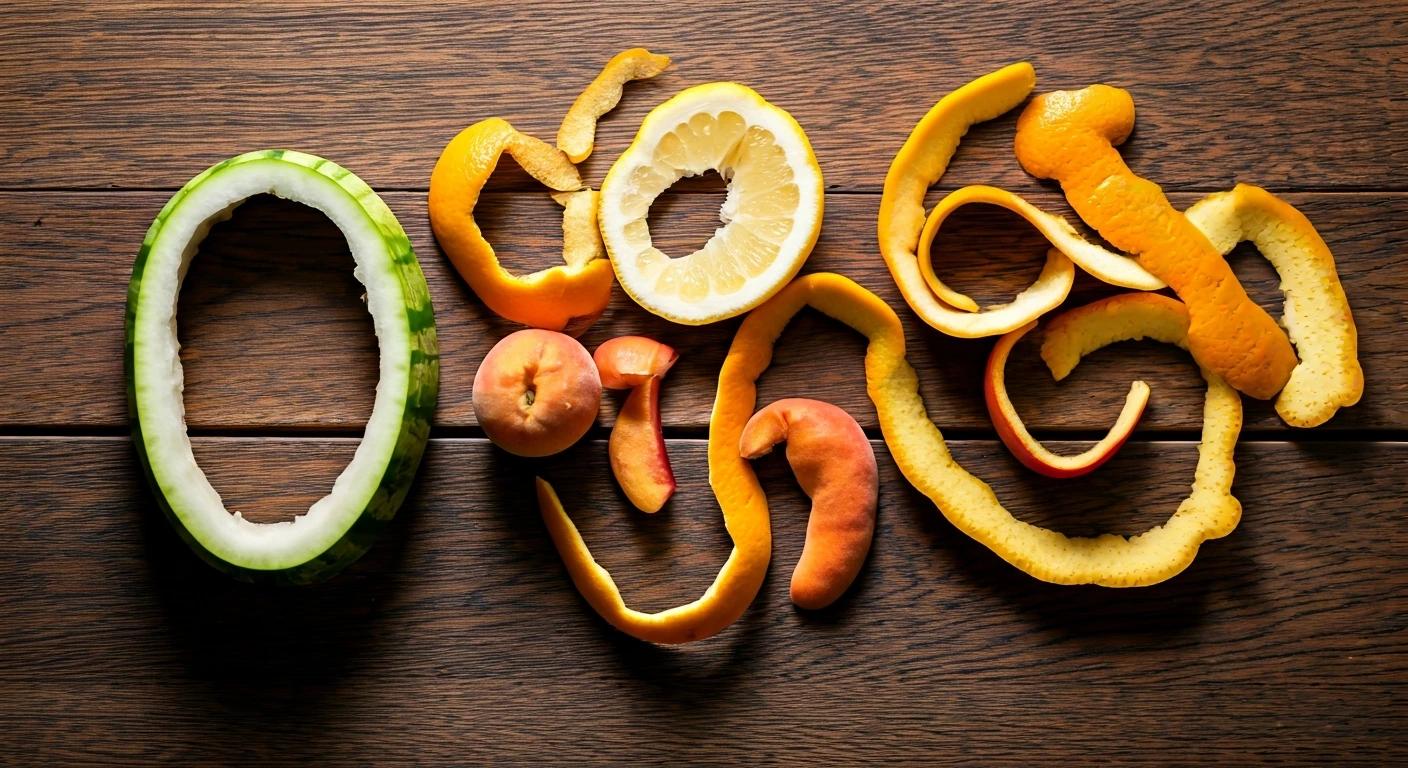
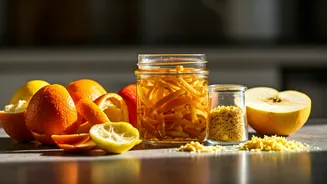
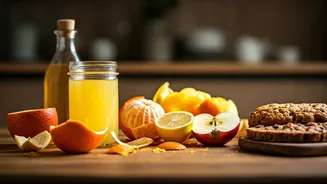
Orange, lemon, grapefruit, and lime peels are the undisputed champions of the peel-verse. Instead of tossing them, try one of these techniques. First, make an oleo-saccharum. This fancy-sounding Victorian-era ingredient is shockingly simple: cover your citrus peels with granulated sugar in a jar, muddle them lightly, and let them sit for a few hours (or overnight). The sugar will pull the essential oils from the peels, creating a fragrant, intensely citrusy syrup perfect for cocktails, lemonade, or drizzling over yogurt. Don’t stop there. You can candy the peels by simmering them in a simple syrup, or dry them out and grind them into a powder to add a citrus kick to spice rubs and baked goods. For a household hack, steep the peels in a jar of white vinegar for a couple of weeks to create a powerful, fresh-smelling, all-purpose cleaner.
2. Apple Peels: From Snack to Staple
The next time you’re making an apple pie or sauce, set those peels aside. They are packed with flavor and pectin, the natural fiber that helps jams and jellies set. To make a simple apple scrap jelly, just cover the peels (and cores!) with water, simmer for about 30 minutes, then strain the liquid. Add sugar (typically a 1:1 ratio by volume) and lemon juice, and boil until it thickens into a beautiful, rosé-colored jelly. For a simpler treat, toss fresh apple peels with a little cinnamon and sugar, then bake them at a low temperature until they’re crispy. The result is a delicious, healthy chip that satisfies a sweet tooth without the guilt.
3. Banana Peels: The Unexpected Ingredient
This is where things get interesting. Yes, banana peels are edible, and they’re being embraced by the plant-based community for their surprisingly meaty texture. The key is to use peels from ripe, organic bananas and to cook them thoroughly. One of the most popular uses is making vegan “pulled pork.” Scrape out the white pith from the inside of the peel, shred the peel with a fork, and simmer it in your favorite barbecue sauce until tender. The texture is uncannily similar to pulled meat. Beyond savory dishes, finely chopped banana peels can be added to smoothie recipes or baked goods like banana bread for an extra boost of fiber. They’re also a fantastic fertilizer for houseplants, as they're rich in potassium and phosphorus. Just chop them up and bury them in the soil or steep them in water to make a nutrient-rich “tea” for your plants.
4. Watermelon Rinds: The Southern Classic
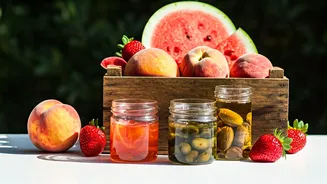
Don’t you dare throw out that watermelon rind. That thick, white part between the green skin and the pink flesh is a classic ingredient in Southern cooking, where it’s most famously pickled. Pickled watermelon rind is a revelation: a crunchy, sweet, and tangy condiment that’s perfect alongside grilled meats or as part of a cheese board. The process is straightforward. Shave off the tough green outer skin, cube the white rind, and simmer it until tender. Then, transfer it to a brine of vinegar, sugar, and spices like cinnamon and cloves, and let it marinate. While pickling is the most traditional method, you can also candy the rind or even stir-fry it as you would a vegetable.