



First, What Is Biophilic Design?
The term 'biophilia,' popularized by biologist E.O. Wilson, describes humanity's innate tendency to connect with nature. Biophilic design is the practice of translating that connection into the built environment. This goes far beyond placing a few potted
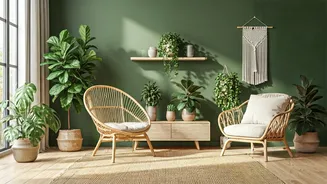
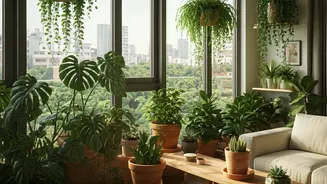
plants on a windowsill. It’s a holistic philosophy that seeks to integrate natural elements, materials, and even shapes into buildings and interiors to improve our physical and psychological well-being. Think of homes with large windows that frame a view of the sky or a garden, floor plans that flow around an internal courtyard, the use of natural materials like wood, stone, and rattan, and features that mimic natural patterns and processes. It’s about creating environments that don’t just shelter us from nature but thoughtfully invite it inside, blurring the lines between indoors and outdoors.
The Indian Context: A Modern Revival
The prediction that biophilia will define India's decor by the mid-2020s isn't about adopting a foreign trend; it's about reclaiming a deep-rooted heritage. For centuries, traditional Indian architecture has incorporated biophilic principles. Intricate 'jaali' screens filter light like a forest canopy, central courtyards ('aangans') create private green sanctuaries, and verandas offer a seamless transition between the home and its natural surroundings.
Today, as India experiences rapid urbanization and its cities grow more dense and polluted, there's a powerful counter-movement among architects and homeowners. The desire for a tranquil escape from urban chaos is fueling a demand for homes that feel like a refuge. Biophilic design offers a modern solution that also resonates with cultural memory, providing a sense of connection not just to nature, but to a timeless way of Indian living.
Key Elements of the Look
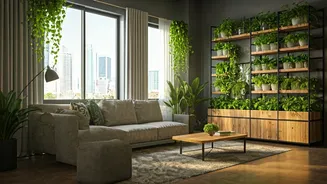
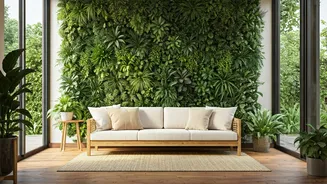
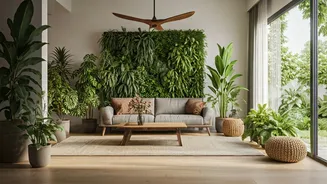
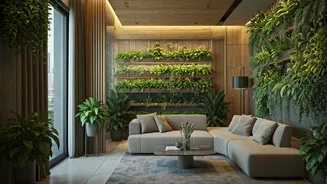
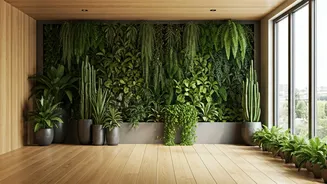
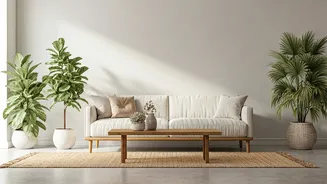
So what does an Indian biophilic home actually look like? It’s a feast for the senses. Living walls, lush with tropical foliage, become statement pieces in living rooms. Natural light is king, flooding spaces through floor-to-ceiling glass or strategically placed skylights. Ventilation is prioritized to encourage natural airflow, making the home feel like it's breathing.
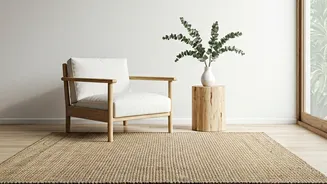
The material palette is earthy and tactile: polished concrete floors, warm teak and rosewood furniture, jute rugs, and accents of terracotta and brass. Water features, like small indoor fountains or reflection pools, add auditory calm and cool the air. The design prioritizes what’s called 'prospect and refuge'—offering cozy, enclosed nooks for rest (refuge) that still have a broad, open view of the surrounding space or landscape (prospect). The result is a home that feels both secure and expansive.
More Than Just Aesthetics
The driving force behind biophilia's global rise is its profound impact on wellness. Numerous studies have shown that environments rich in natural elements can reduce stress, lower blood pressure, improve focus, and boost creativity. By designing homes that cater to our inherent need for nature, we are essentially creating spaces that actively care for us.
In a post-pandemic world where we spend more time at home than ever, the psychological benefits are undeniable. A home that supports mental health is no longer a luxury; it’s a necessity. This trend is less about fleeting style and more about a fundamental shift in what we ask of our personal spaces. We don't just want them to look good on Instagram; we want them to make us *feel* good, day in and day out.