



The Rise of the Status Water Bottle
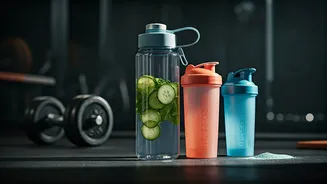
Remember when a water bottle was just a water bottle? A simple vessel to prevent dehydration. Those days are gone. Today, the 40-ounce Stanley Quencher, the sleek Owala FreeSip, or the minimalist Bink bottle are not just containers; they are accessories,
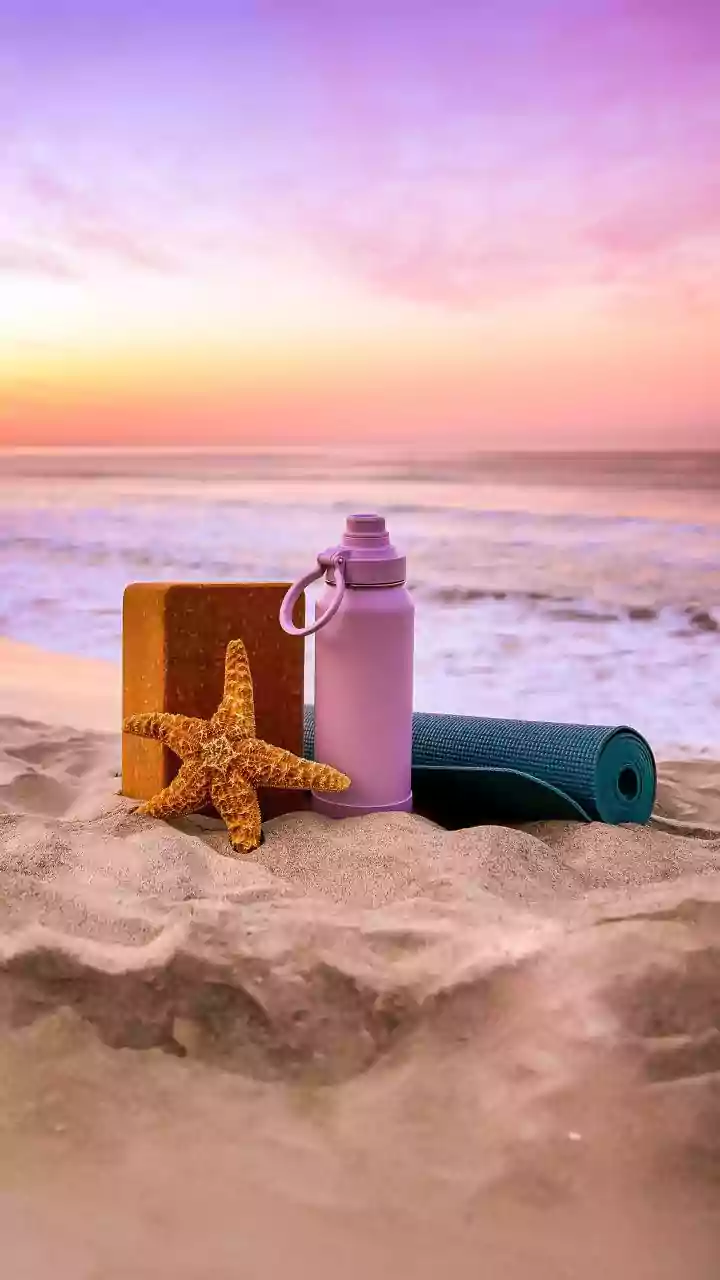
personality statements, and, for some, the centerpiece of their daily identity. The 'status water bottle' has transformed hydration from a biological need into a public performance. Carrying a specific, often oversized and brightly colored, bottle signals that you are part of a wellness-conscious in-group. It’s a low-cost, high-visibility way to broadcast your values: you’re healthy, you’re put-together, you’re on-trend. The phenomenon reached a fever pitch with limited-edition Stanley cup drops that caused near-riots at retailers, proving that what’s in your hand is now just as important as the handbag on your arm.
Welcome to 'WaterTok'
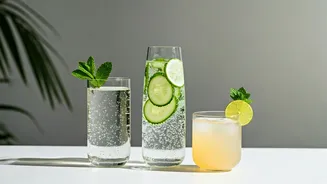
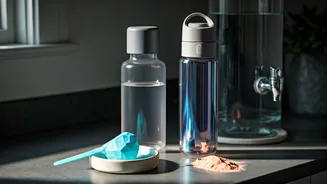
If the bottle is the hardware, the contents are the new software. On TikTok, the #WaterTok hashtag has billions of views, showcasing a world where plain water is a forgotten relic. Creators mix elaborate 'water recipes' using a kaleidoscope of sugar-free syrups, powdered flavor packets, and sometimes even candy. A 'Unicorn' water might involve blue raspberry and cotton candy flavors, while a 'Peach Ring' water aims to replicate the gummy snack. For devotees, this isn't just about making water taste better; it's a hobby and a ritual. It gamifies the act of hydrating, turning a chore into a creative treat. Critics point to the reliance on artificial sweeteners and the potential for dental issues, but fans argue that if a flavored concoction helps them drink more water than they otherwise would, it’s a net positive for their health.
Electrolytes Go Mainstream
Once reserved for marathon runners and professional athletes, electrolyte powders are now a staple in the pantries of everyday Americans. Brands like Liquid I.V., LMNT, and Hydrant have exploded in popularity, promising not just hydration but 'optimized' hydration. These powders contain a mix of sodium, potassium, and glucose, designed to help the body absorb water more efficiently—a concept called the 'Cellular Transport Technology' that Liquid I.V. heavily markets. The appeal is twofold. First, it offers a sense of scientific certainty, a 'bio-hack' to improve a basic bodily function. Second, it caters to our chronically tired, overworked culture. The promise of boosted energy, clearer thinking, and hangover relief has turned these packets into a go-to morning ritual or afternoon pick-me-up, replacing a second cup of coffee for many.
Why Are We So Thirsty for This?
This new obsession isn’t happening in a vacuum. It’s a perfect storm of modern anxieties and aspirations. In a world that feels increasingly chaotic and uncontrollable, curating a perfect hydration routine offers a small sphere of influence. It’s a way to feel in charge of your health and well-being, one meticulously measured sip at a time. The community aspect, driven by social media, provides a sense of belonging. Sharing your favorite 'water of the day' or unboxing a new Stanley creates connection. Furthermore, it’s a new frontier for consumerism. Wellness culture has convinced us that our natural bodies are not good enough; they need to be optimized, upgraded, and improved with products. Hydration has simply become the latest biological process to be monetized and marketed back to us as a lifestyle choice.