



More Than Just a Walk
At its core, a step challenge is simple: a personal or group goal to walk a certain number of steps each day, week, or month. But what you’re seeing online is an evolution of this concept. It’s no longer just about hitting the 10,000-step default on your
fitness tracker. Today’s challenges are a blend of personal wellness, community competition, and content creation. They range from corporate wellness programs encouraging friendly rivalry between departments to massive, influencer-led events on TikTok and Instagram where thousands of people share their daily progress using a specific hashtag. The goal might be a consistent 8,000 steps a day for a month, or a more ambitious collective goal, like virtually walking the distance across the country. It’s a shared journey, publicly documented.
The Appeal of 'Cozy Cardio'
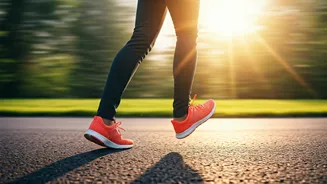
So why now? Why is walking—an activity as old as humanity—suddenly a viral trend? Much of it is a reaction to the intense, high-octane fitness culture that dominated social media for years. The rise of step challenges coincides with the embrace of “cozy cardio” and “soft fitness,” movements that prioritize consistency and mental well-being over grueling, high-impact workouts. Walking is the ultimate low-barrier exercise. It requires no expensive gym membership, no specialized equipment (besides a decent pair of shoes), and almost no learning curve. In a world recovering from burnout, the gentle, meditative rhythm of a daily walk has profound appeal. It’s a form of exercise that feels less like a punishment and more like a form of self-care, and it’s accessible to people of nearly all fitness levels and body types.
Gamification and Community
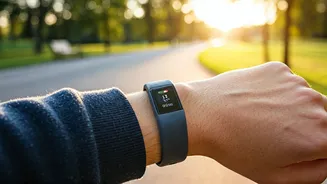
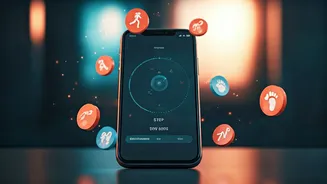
The secret sauce that makes step challenges so sticky is the potent combination of gamification and community. Fitness trackers and apps turn walking into a game, complete with points (steps), daily goals, and achievement badges. Seeing those digital rings close on your watch provides a hit of dopamine that keeps you coming back. Social media takes it to the next level. By sharing your progress, you invite accountability and encouragement from your friends and followers. A simple walk becomes a shared experience. Virtual leaderboards, team-based goals, and comment-section pep talks transform a solitary activity into a team sport. This social scaffolding is incredibly motivating; it’s much harder to skip a walk when you know your team is counting on your steps or your friends are waiting for your daily progress update.
Walking Pads and Workplace Wellness
The trend has been further supercharged by technology, most notably the “walking pad” or under-desk treadmill. These compact devices have become a status symbol for the work-from-home era, allowing people to rack up thousands of steps while answering emails or sitting in on Zoom meetings. TikTok is filled with creators sharing their “hot girl walk” essentials, which often include a stylish water bottle, a podcast, and a walking pad. This has seamlessly blended fitness into the workday, reframing it not as a separate, hour-long gym session but as something integrated into your daily routine. Companies have also caught on, using apps like Stridekick or MoveSpring to run internal step challenges that foster connection and promote employee health in remote and hybrid work environments.
The Downside of the Count
While the movement towards more accessible fitness is overwhelmingly positive, the hyper-focus on a single number can have drawbacks. For some, the pressure to hit a daily step goal can become a source of anxiety, turning a healthy habit into an obsession. The public nature of social media challenges can also fuel unhealthy comparison. Fitness experts often remind us that while walking is fantastic, a well-rounded fitness routine includes strength training and flexibility, too. The arbitrary 10,000-step goal, which originated from a 1960s Japanese marketing campaign, isn't a magic number for health. The key is consistency and finding a level of activity that feels sustainable and enjoyable, whether that's 5,000 steps or 15,000.