



Beyond the Perfect Lawn
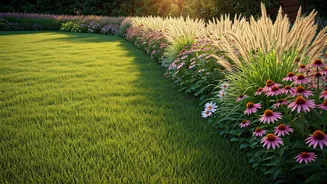
For decades, the American yard has been a symbol of order: a neatly manicured, emerald-green lawn, bordered by carefully chosen, often imported, ornamental plants. It was an aesthetic statement, a space for recreation, but ecologically, it was often a dead
zone. Now, a growing movement is challenging that ideal. Gardeners are increasingly viewing their plots of land—whether a sprawling suburban yard, a tiny urban patio, or a balcony with a few pots—as an opportunity to do more than just decorate. They are actively working to restore a piece of the natural world, transforming their personal spaces into functioning ecosystems. This isn't about letting things go; it's about intentionally curating a habitat that was once there, inviting wildlife back into landscapes dominated by concrete and turfgrass.
The Crucial Role of Native Plants
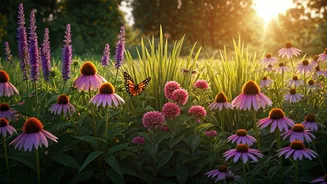
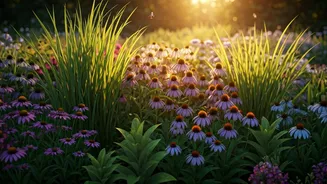
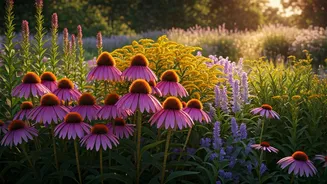
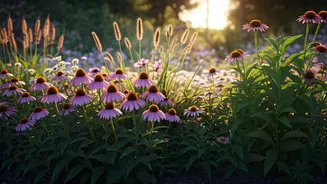
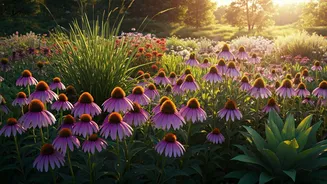
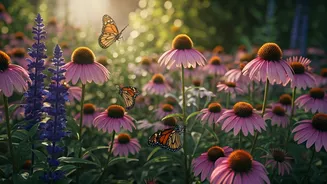
The cornerstone of this movement is the humble native plant. These are the species that have co-evolved for millennia with the local insects, birds, and other wildlife in a specific region. While a Japanese maple or a European rose might be beautiful, they are often strangers to the local fauna. According to entomologist Doug Tallamy, a leading voice in this field, non-native plants create “food deserts” for the vast majority of insects, which are highly specialized eaters. For example, a monarch caterpillar can only eat milkweed; an oak tree can support over 500 species of caterpillars, while a non-native ginkgo tree supports almost none. Those caterpillars are not pests; they are the primary food source for birds trying to raise their young. By choosing native plants like coneflowers, goldenrod, and local oak species, gardeners provide the specific food and shelter that form the foundation of a healthy local food web. It’s a shift from planting for human eyes to planting for the entire ecological community.
Creating a Living Ecosystem
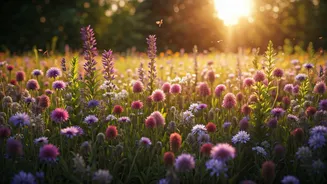
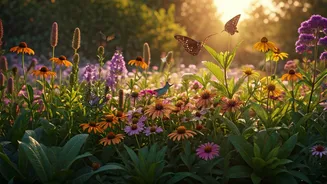
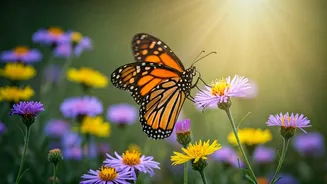
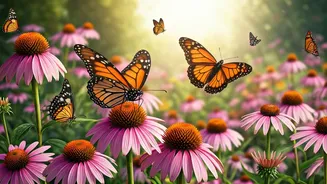
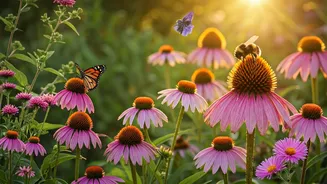
The results of this shift are often swift and spectacular. When you plant for nature, nature shows up. A patch of native bee balm will soon hum with the activity of dozens of species of native bees, not just the familiar honeybee. Milkweed will attract monarch butterflies to lay their eggs. Berry-producing native shrubs like serviceberry or winterberry will provide a critical food source for migrating and overwintering birds. Gardeners report a profound sense of connection and discovery as they watch their yard come alive. This approach also requires a change in maintenance philosophy. It means leaving the leaves on the ground in the fall to provide cover for hibernating insects, allowing some plants to go to seed to feed finches, and avoiding pesticides that kill indiscriminately. The goal is to create a self-sustaining system—a beautiful, dynamic, and sometimes messy landscape that buzzes, flutters, and chirps with life.
You Don't Need an Acre
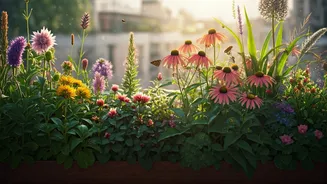
The most powerful aspect of this movement is its accessibility. You don’t need a huge property to make a difference. Even a few pots on a city balcony can become a vital refueling station for migrating monarch butterflies or a food source for urban bees. Replacing a small, forgotten corner of a lawn with a patch of native wildflowers creates an immediate ecological hotspot. Organizations like the National Wildlife Federation offer “Certified Wildlife Habitat” programs that guide people through the simple steps of providing food, water, cover, and places for wildlife to raise their young. By creating these small pockets of habitat, gardeners are contributing to larger “pollinator pathways”—corridors of friendly green spaces that connect fragmented habitats across cities and suburbs. It democratizes conservation, turning it from something that happens “out there” in national parks into something we can all participate in, right outside our door.