


More Than Just a Budget Move
Let’s get the obvious out of the way: dining out is expensive. With inflation hitting grocery aisles and restaurant menus alike, many Americans are looking at their bank statements and concluding that a $25 burger is a luxury they can’t justify three
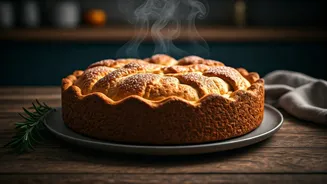
times a week. The data backs this up, showing a clear pattern of consumers pulling back on restaurant spending. But framing the return to home cooking as a purely economic decision misses the bigger, more interesting picture. While saving money is certainly a powerful motivator, it’s the gateway, not the destination. The trend has stuck around and deepened because people are discovering that what starts as a budget necessity quickly transforms into a genuinely rewarding pursuit. It’s one thing to cook at home to save cash; it’s another to find yourself obsessing over the perfect crumb structure of your homemade focaccia.
From Kitchen to Content
You can’t talk about modern home cooking without talking about social media. The kitchen is no longer a private, functional space; it's a film set. Platforms like TikTok and Instagram have turned everyday cooks into micro-influencers and simple recipes into global phenomena. Think of the baked feta pasta that cleared out grocery stores, the endless variations on cottage cheese bowls, or the mesmerizing art of a “girl dinner” platter. This isn't just about sharing a photo of your finished plate. It's about documenting the process—the satisfying chop of a knife, the sizzle of garlic in olive oil, the triumphant reveal of a golden-brown roast chicken. This performance of domesticity has made cooking a form of self-expression and community building. You’re not just making dinner; you’re participating in a cultural conversation, learning new skills, and getting instant feedback from a global audience.
A Search for Control and Comfort
In a world that often feels chaotic and overwhelming, the kitchen offers a sanctuary of predictability and control. Following a recipe is a form of low-stakes problem-solving with a delicious, tangible reward. The methodical process of measuring, chopping, and stirring can be profoundly meditative, a welcome antidote to the endless scroll and digital noise of modern life. This return to analog hobbies is a well-documented post-pandemic trend. Like gardening or knitting, cooking provides a sense of accomplishment that’s both immediate and deeply personal. You took raw ingredients and, with your own hands, created something nourishing and comforting. That feeling of capability and self-reliance is powerful. It’s a quiet act of rebellion against a convenience culture that promised to make our lives easier but often left them feeling less meaningful.
Redefining 'Good Food'
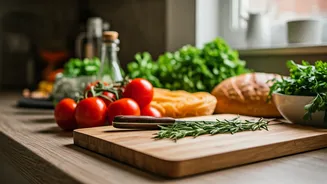
For decades, “cool” food was defined by exclusivity—the tasting menu at a Michelin-starred restaurant, the imported ingredient you couldn’t pronounce, the chef with a formidable reputation. The new home cooking movement is actively dismantling that hierarchy. Today, good food is just as likely to be a passed-down family recipe for meatballs, a perfectly ripe tomato from the farmer’s market, or a clever hack that turns humble ingredients into something special. There's a newfound appreciation for authenticity over complexity. This shift democratizes taste. It celebrates personal history, regional specialties, and the simple pleasure of a meal made with care. The coolest food is no longer what’s most expensive or elaborate, but what’s most personal and resonant. It’s a celebration of the story behind the food, and now, you get to be the one who tells it.