



Meet the Canary Melon
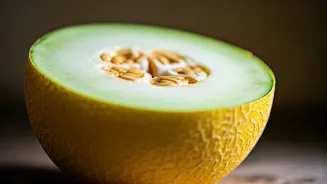
Allow us to introduce the Canary melon. You can’t miss it in the produce aisle: it’s an oblong, football-shaped fruit with a smooth, waxy rind that glows a brilliant, sunny yellow. Its name is a direct nod to its vibrant color, reminiscent of the bird.
Sometimes sold as a Spanish melon or Juan Canary, this variety has roots in Persia but became a staple in Spain and is now cultivated in the sunny fields of California and Arizona. Its striking appearance isn't just for show; it’s the first hint that you’re dealing with something different from your standard honeydew or cantaloupe. The interior flesh is a pale, creamy green-white, firm to the touch and packed with juice. Think of it as the sophisticated, dependable cousin in the melon family—the one that shows up to the party looking great and never lets you down.
The Flavor That Delivers
The real magic of the Canary melon is its flavor profile. If you find honeydew a little too one-note sweet and cantaloupe a bit too musky, the Canary melon hits a perfect middle ground and then adds its own unique twist. The initial taste is sweet and clean, similar to a perfectly ripe honeydew, but it’s immediately followed by a subtle, pleasant tang that cuts through the sweetness and keeps it from being cloying. This bright, acidic note is what makes it so refreshing. The texture is also a major selling point. It’s crisp and firm, almost like a ripe pear, but melts in your mouth. It’s never mealy or stringy, holding its structure beautifully whether sliced into wedges or cubed for a salad. Each bite is juicy, complex, and deeply satisfying—the platonic ideal of what a summer melon should be.
How to Pick a Winner
Choosing a perfect Canary melon is far less stressful than thumping a watermelon. Your eyes are your best tool. Look for a melon with a uniform, bright yellow rind. Avoid any with green patches, as those indicate it was picked before its prime. While the rind is smooth, it should have a slightly waxy or tacky feel when you run your hand over it. A perfectly ripe Canary melon will have a little give at the blossom end (the side opposite the stem). Gently press it with your thumb; it should feel slightly soft, not rock-hard or mushy. Finally, give it a sniff. Unlike a cantaloupe, which can be very fragrant, a Canary melon has a more delicate scent. You should detect a subtle, sweet aroma at the blossom end. If you follow these simple steps, you’ll walk away with a winner nearly every time.
Beyond a Simple Slice
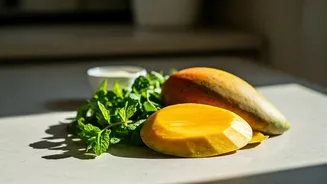
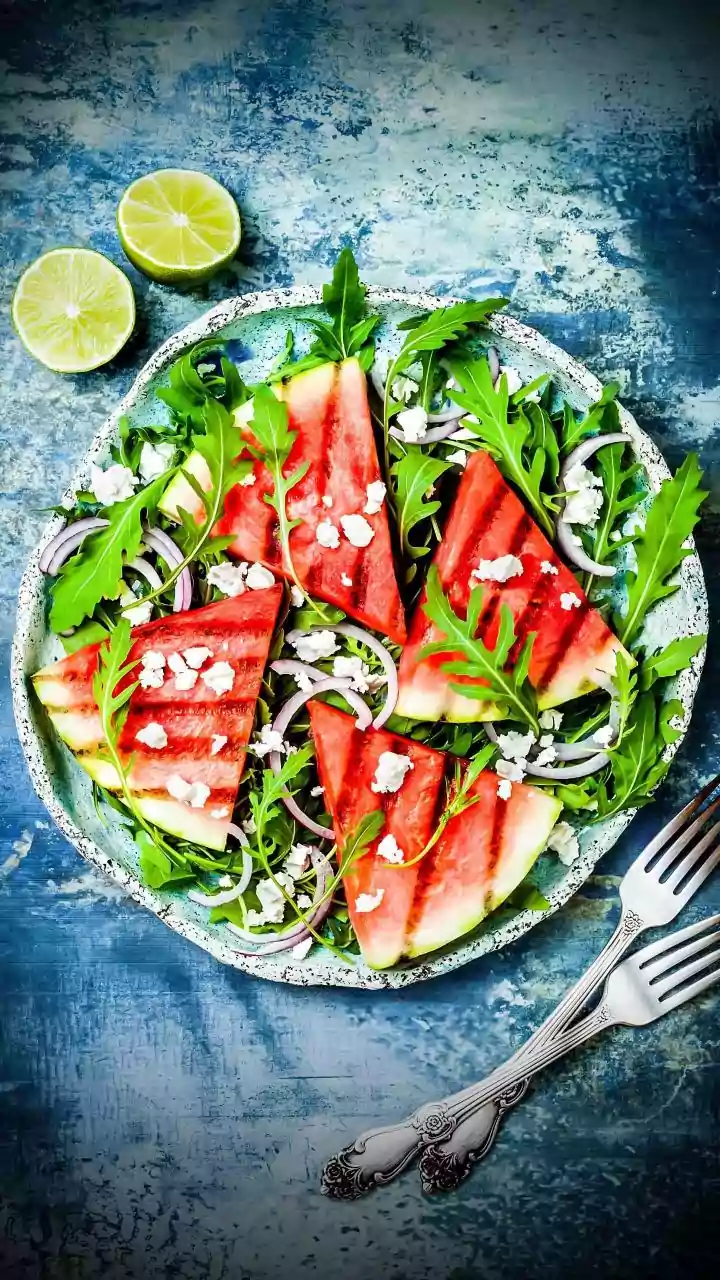
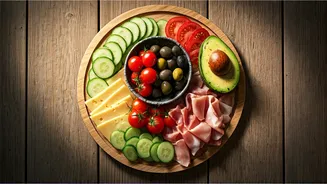
While eating a chilled slice of Canary melon on a hot day is pure bliss, its firm texture and balanced flavor make it incredibly versatile. For a classic appetizer, wrap thin slices in prosciutto; the melon’s tangy sweetness is the perfect foil for the salty, cured meat. It’s also fantastic in salads. Cube it and toss with feta cheese, fresh mint, cucumber, and a light lime vinaigrette for a refreshing side dish. Because it doesn't fall apart easily, it’s great for grilling—just brush thick slices with a little olive oil and grill for a minute on each side to caramelize the sugars. You can also blend it into a cooling gazpacho with cucumber and jalapeño, mix it into a tropical fruit salsa for fish tacos, or puree it for a sophisticated sorbet or a base for a summer cocktail.
Why It's Worth the Hunt
You might not find Canary melons piled as high as watermelons at every supermarket, but they are becoming increasingly common, especially during their peak season from summer through early fall. Check your local farmers market or grocery stores with a robust produce section. The slight extra effort to find one is a small price to pay for melon certainty. Beyond its superior taste, the Canary melon is also a nutritional powerhouse, packed with Vitamin A and Vitamin C, both essential antioxidants, as well as a good amount of fiber. It’s a delicious way to hydrate and get a boost of nutrients. So next time you’re contemplating the melon display, dare to bypass the usual suspects.