


The Gilded Cage of the Resort
For decades, the peak travel experience was synonymous with the resort: a self-contained world of infinity pools, manicured lawns, and buffet breakfasts. It promised escape through luxurious isolation. In a resort, the outside world—with its unpredictable
weather and unscripted moments—is kept at a comfortable distance. The goal is perfection, a seamless, climate-controlled experience where every need is anticipated and every rough edge is smoothed over. But for a growing number of travelers, this curated bubble has started to feel less like a luxury and more like a limitation. The very predictability that was once the main selling point can feel hollow. After days of swimming in chlorinated water and dining from international menus, you might realize you’ve barely interacted with the place you flew thousands of miles to see. The resort offers a flawless vacation, but it often struggles to provide a memorable journey. It protects you from the elements, but it can also shield you from the soul of a destination.
An Invitation Inside
Enter the homestay. This isn’t a new concept, but its appeal has taken on a new dimension. A homestay is exactly what it sounds like: a chance to stay with a local family in their home. Instead of a key card, you get a key. Instead of a concierge, you get a host who might share a cup of chai with you on their veranda and tell you which local market has the best mangoes. The “warmth” in the headline isn't just about a cozy room—it’s about human connection. It’s the warmth of a home-cooked meal made from a family recipe, the warmth of genuine conversation, the warmth of being treated not as a customer, but as a guest. In a homestay, the barrier between traveler and local dissolves. The rhythm of your day is guided by the household, not a resort activity schedule. You wake up to the sounds of the neighborhood, not the hum of an air conditioner. It’s an immersive experience that trades polished anonymity for authentic, sometimes messy, reality.
Finding Beauty in the Rain
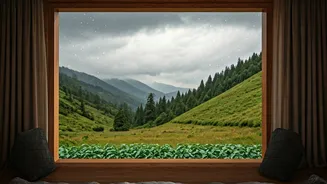
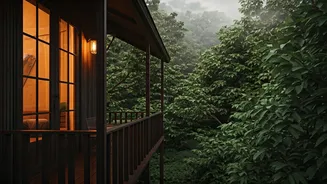
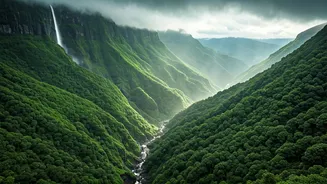
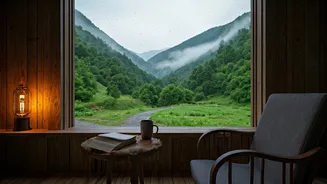
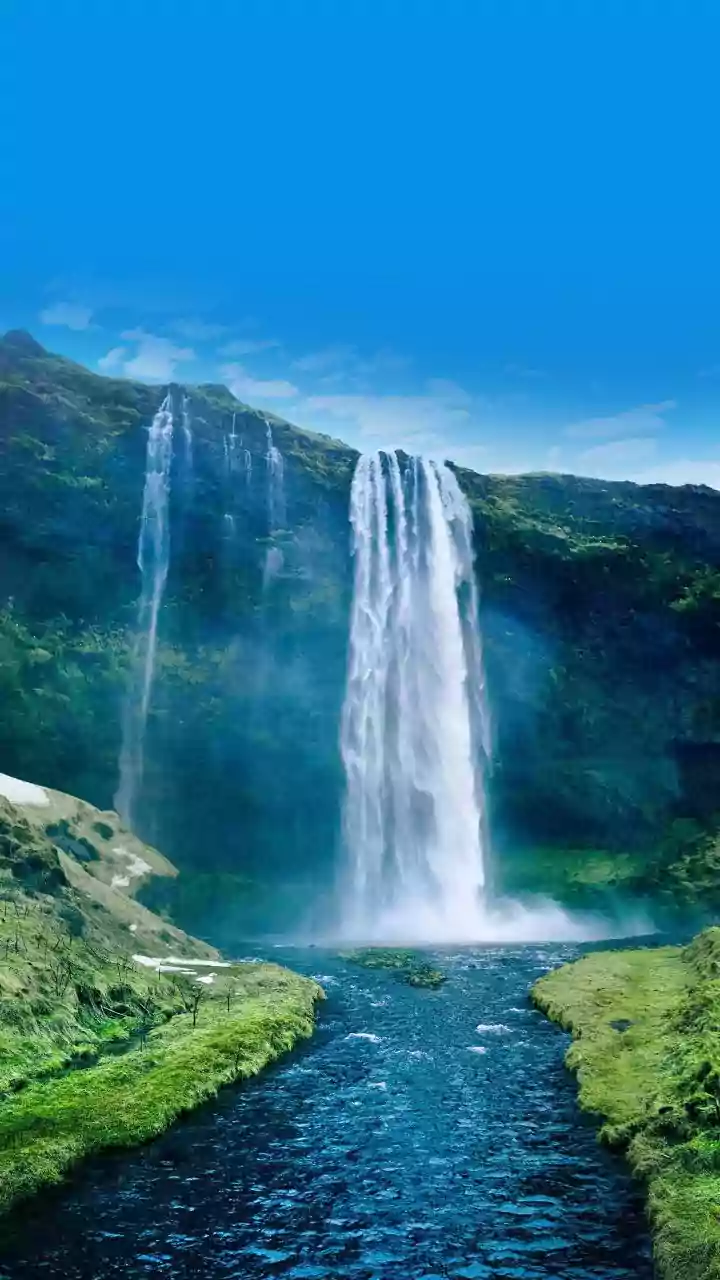
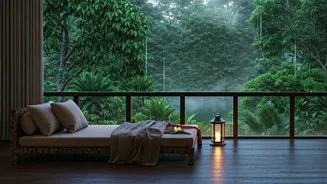
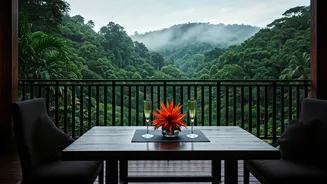
Pairing this intimate accommodation with the monsoon season makes the experience even more profound. Traditionally, monsoons in destinations like India’s Kerala or Goa were considered the “off-season”—a time for tourists to avoid. But that perspective is shifting. Travelers are realizing that the monsoon doesn’t ruin a place; it transforms it. The landscape, parched from the dry season, explodes into a thousand shades of vibrant green. Dust is washed away, leaving the air clean and fresh. Waterfalls roar back to life, and the sound of rain becomes a soothing, meditative soundtrack. Watching a storm roll in from the porch of a homestay, with a hot drink in hand, is an experience of its own—dramatic, powerful, and deeply beautiful. It’s a chance to see a destination at its most raw and rejuvenated, a side that fair-weather tourists never witness. A resort might encourage you to stay indoors during a downpour; a homestay invites you to experience it as part of the local lifeblood.
A Deeper Search for Connection
So why is this shift happening now? It’s part of a larger evolution in what we seek from travel. In a post-pandemic world, many are re-evaluating their priorities. The desire for mass-produced luxury is giving way to a search for genuine connection—to people, to nature, and to ourselves. We’ve spent enough time isolated; now we crave experiences that feel real and grounding. A monsoon homestay is the antithesis of a fleeting, superficial trip. It requires you to slow down, to be present, and to embrace imperfection. It’s a travel style that values stories over selfies, and relationships over amenities. Choosing a homestay during the rains isn’t just a logistical decision; it's a philosophical one. It’s a quiet rebellion against the idea that travel should be an escape from life, suggesting instead that it can be a deeper immersion into it.