





From National Pest to Pampered Pet
For most of its history in Australia, the rabbit has been public enemy number one. Introduced by European settlers in the 19th century, wild rabbits multiplied at a biblical scale, causing one of the worst ecological disasters in the continent's history.
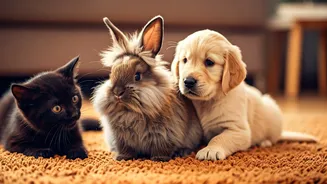
They decimated native vegetation, competed with livestock, and eroded vast landscapes. The government spent fortunes on control measures, including the infamous, continent-spanning 'rabbit-proof fence.' So, for many older Australians, the idea of welcoming a rabbit indoors as a beloved family member sounds utterly bizarre. Yet, that’s exactly what’s happening. Shelters and rescue groups across the country report a surge in demand for domestic rabbits, a trend that accelerated during the pandemic as people sought companionship in lockdown. These aren’t wild rabbits snatched from the bush, but domesticated breeds now enjoying a status previously reserved for cats and dogs.
The Perfect Companion for Modern Life
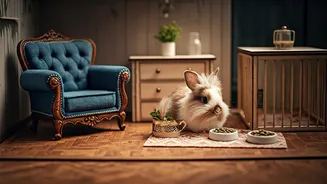
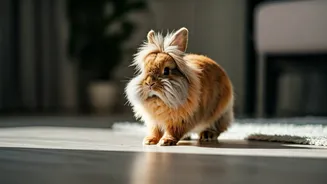
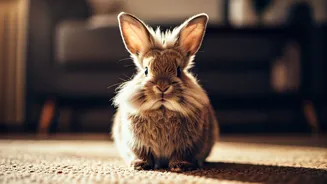
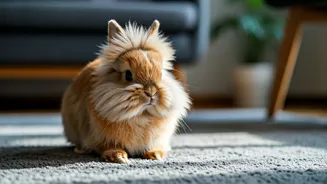
So why the sudden change of heart? The answer lies in the changing face of Australian cities. As in the U.S., more people are living in apartments, townhouses, and homes with small or no backyards. For many, a high-energy dog is impractical, and while cats are independent, some people crave a different kind of connection. Enter the house rabbit. They are quiet, can be litter-box trained with surprising ease, and form deep bonds with their owners without needing daily walks. Their compact size makes them ideal for smaller living quarters, fitting neatly into the urbanized lifestyle that defines modern Sydney, Melbourne, and Brisbane. They offer the affection of a traditional pet but on terms that work for busy professionals and apartment-dwellers. They’re a quiet rebellion against the old Aussie dream of a big house with a dog in the yard.
Embracing the Quirks
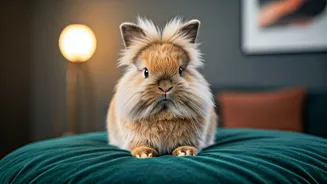
Part of the appeal is their genuinely quirky nature. Rabbits are not, as many assume, low-maintenance 'starter pets.' New owners quickly learn they have complex personalities and specific needs. A happy rabbit will perform an acrobatic leap-and-twist called a 'binky'—a pure expression of joy that has become social media gold. They 'flop' dramatically onto their side when they feel safe and relaxed, and they communicate through subtle nose twitches and ear positions. This complexity is a feature, not a bug. Owners share tips online about 'bunny-proofing' their homes (they love to chew electrical cords) and creating elaborate indoor playpens. This high-investment, high-reward relationship creates a dedicated community of enthusiasts who see their pets as much more than just a cute face; they’re full-fledged, if eccentric, family members.
A Complicated Legal Hop
The trend isn't without its complications, reflecting Australia's deep-seated caution. In most of the country, domestic rabbits are legal to own with some regulations. But in the state of Queensland, they are strictly forbidden. Owning a rabbit there can result in a fine of tens of thousands of Australian dollars. The state fears that escaped domestic rabbits could interbreed with wild populations or establish new feral colonies, reigniting the old ecological nightmare. This ban creates a strange divide. A beloved pet in Sydney is illegal contraband just across the border in Brisbane. This legal patchwork underscores the lingering tension at the heart of the trend: Australia is learning to love an animal it once tried its best to eradicate, but it hasn't completely forgotten why.