

More Than Just a Balcony Garden
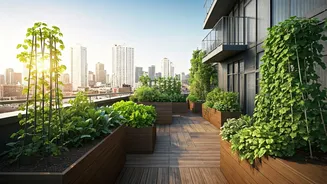
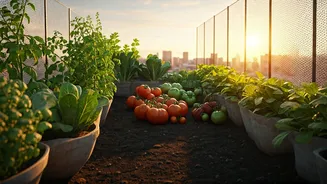
When you hear “terrace farming,” you might picture ancient, tiered hillsides in Southeast Asia. Today, the term has been stylishly rebranded for the modern American home. In this new context, terrace farming refers to the art of using any elevated outdoor
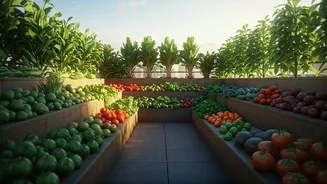
space—be it a concrete balcony, a wooden deck, a rooftop, or a small patio—to cultivate a garden. It’s container gardening, but with a renewed sense of purpose and sophistication. This isn’t just about a few decorative potted plants; it’s a deliberate lifestyle choice aimed at food production, sustainability, and wellness. It represents a shift from passive urban living to active, small-scale agriculture, transforming underutilized spaces into vibrant, edible landscapes.
The Pesticide-Free Payoff
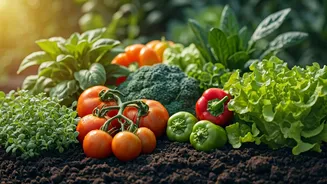
The single greatest appeal of growing your own food is control. By managing a small garden on your terrace, you become the sole authority on what goes into your soil and onto your plants. This eliminates the guesswork and anxiety surrounding commercial produce, which often carries pesticide residues even after washing. For families and health-conscious individuals, this is a game-changer. You can guarantee your herbs, salads, and vegetables are grown organically, without synthetic fertilizers or chemical sprays. The result is food that’s not only safer but often tastes significantly better. A sun-ripened tomato picked from your own vine has a depth of flavor that is rarely matched by its supermarket counterpart that was picked green and shipped across the country.
Your Starter Toolkit
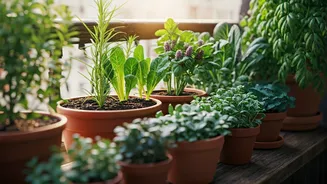
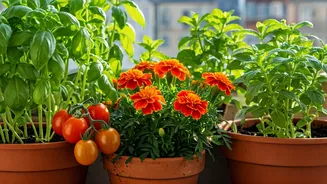
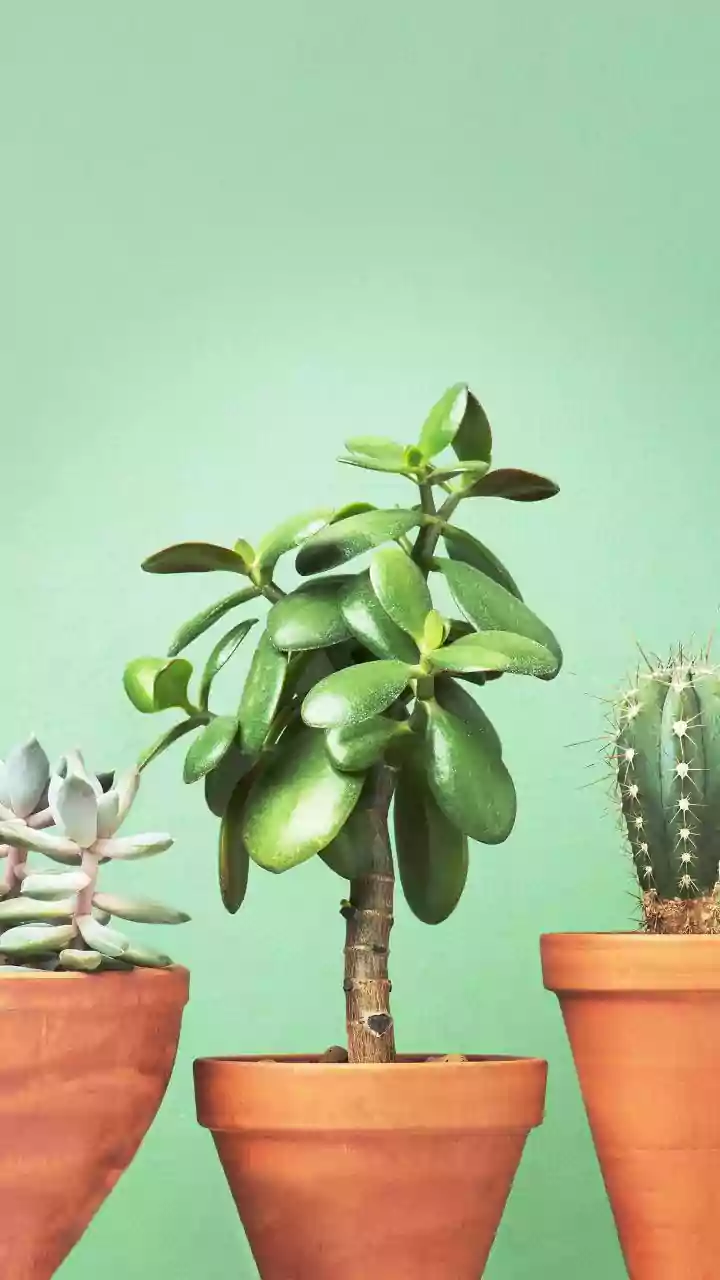
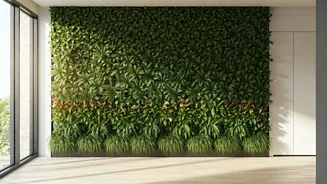
Getting started is far less intimidating than it sounds. You don’t need a sprawling yard or a shed full of tools. The essentials are simple and scalable. First, choose your containers. These can range from traditional terracotta pots to lightweight fabric grow bags, railing planters that save floor space, or even vertical wall-mounted systems. Second, get the right soil. This is crucial. Avoid dense garden soil from your yard, which compacts easily in pots. Instead, buy a quality potting mix designed for containers; it’s lightweight, drains well, and often contains a starter blend of nutrients. Finally, assess your light. Observe your terrace throughout the day to see how many hours of direct sunlight it receives. This will determine which plants will thrive. Most vegetables need at least six hours of full sun.
Easy-to-Grow All-Stars for Beginners
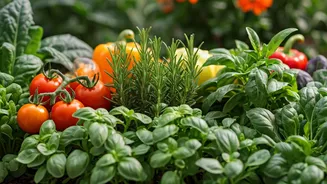
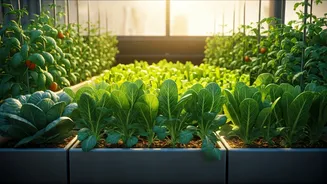
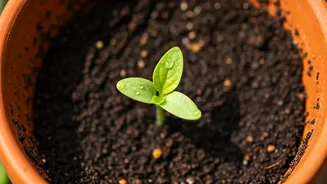
To build confidence, start with plants that offer a high rate of success. Herbs are a fantastic entry point. Basil, mint, parsley, rosemary, and chives are incredibly resilient and can be grown in small pots, providing fresh flavors for your cooking all season long. Leafy greens are another excellent choice. Varieties of loose-leaf lettuce, spinach, and kale grow quickly and allow for “cut-and-come-again” harvesting, where you can snip off outer leaves and the plant will continue producing. For a bit more of a project, try cherry tomatoes or bush beans. These varieties are bred to be more compact and are highly productive in containers, delivering the satisfying experience of harvesting a true vegetable crop.
Beyond the Harvest: A Lifestyle Shift
While the fresh produce is the tangible reward, the benefits of terrace farming extend much further. The daily ritual of watering, pruning, and observing your plants can be a meditative practice, offering a potent antidote to digital fatigue and urban stress. It fosters a deeper connection to nature and the seasons, even in a high-rise apartment. Furthermore, it’s a powerful tool against food waste. When you harvest only what you need, minutes before you cook it, there’s less spoilage. This small-scale farming approach isn’t just about what you grow; it’s about cultivating a more mindful, self-sufficient, and grounded way of living, one pot at a time.