






An Enduring, Irresistible Snack
For the uninitiated, pakoras are a savory Indian fritter that can be found everywhere from street-side stalls in Delhi to family kitchens in Dallas. The concept is simple and brilliant: chop up vegetables like spinach, onions, or potatoes (or use paneer),
dip them in a spiced batter made from chickpea flour (besan), and deep-fry them until golden and crunchy. Served hot, often with a mint-coriander chutney or a sweet tamarind sauce, they are the ultimate rainy-day snack, party appetizer, and comfort food. Their appeal is universal—who doesn’t love a perfectly fried, flavorful bite? For generations, their biggest downside was simply their calorie count. But the modern conversation has shifted from calories to something deeper: gut health.
The Frying Process vs. Your Gut
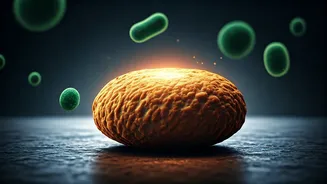
The “warning” in the headline isn’t an official decree but a conclusion drawn from our growing understanding of the gut microbiome—the trillions of bacteria living in your digestive tract. The main culprit isn’t the pakora itself, but the deep-frying process. When oils are heated to high temperatures, especially for prolonged periods or when reused, they can oxidize and create compounds that promote inflammation. Chronic inflammation is a major enemy of a healthy gut, as it can disrupt the delicate balance of good and bad bacteria. Furthermore, the type of oil matters. Many commercial or restaurant-made pakoras are fried in inexpensive vegetable oils (like soy, corn, or canola) that are high in omega-6 fatty acids. While necessary in small amounts, an excess of omega-6 without a balance of anti-inflammatory omega-3s can contribute to an inflammatory state in the body, and by extension, the gut.
But Don't Blame the Chickpea Flour
Before you banish pakoras forever, it’s crucial to separate the ingredients from the cooking method. The base of a traditional pakora, chickpea flour, is actually a gut-friendly powerhouse. Unlike refined white flour, besan is packed with fiber and protein. Fiber is essential prebiotic food for your good gut bacteria, helping them thrive and produce beneficial compounds like short-chain fatty acids. A single cup of chickpea flour contains a significant amount of your daily fiber needs. The vegetables inside also add nutrients and more fiber to the mix. So, at its core, a pakora is made from healthy, whole-food ingredients. The problem arises when this nutritious base is submerged in a vat of hot, potentially low-quality oil.
How to Enjoy Pakoras, Gut-Health in Mind
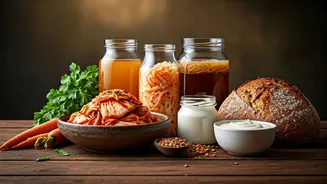
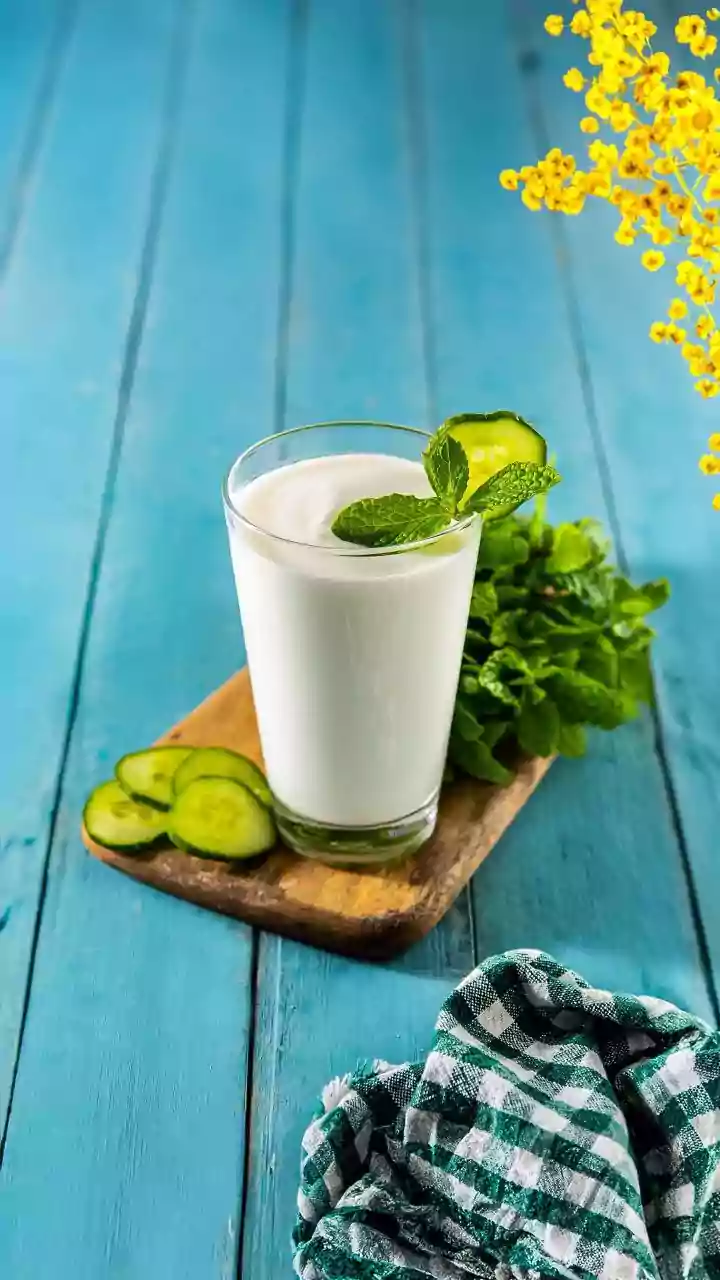
You don’t have to give up this delicious part of South Asian cuisine. You just need to be more mindful about how you prepare and consume them. Think of it as a modern upgrade to a classic recipe. First, change the cooking method. Air-frying or baking pakoras can deliver a satisfying crunch with a fraction of the oil. If you must fry, choose a high-smoke-point oil that’s more stable under heat, like avocado oil or ghee, and never reuse the oil. Second, boost the good stuff. Pack your batter with even more chopped vegetables or leafy greens to increase the fiber content. Finally, consider what you serve them with. Instead of a sugary sauce, pair your pakoras with a probiotic-rich yogurt-based dip (raita). The live cultures in the yogurt can help support a healthy gut, providing a perfect, balancing counterpoint to the fried snack.