


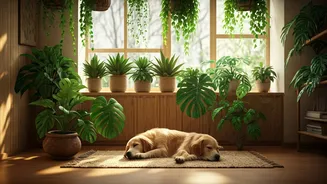
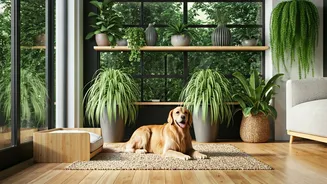


Beyond Aesthetics: The Wellness Angle
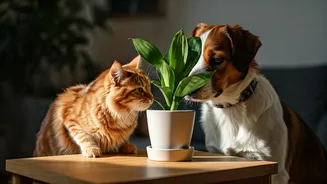
For years, the conversation around pets and plants was purely cautionary. But a shift is happening. As we invest more in our pets’ well-being, we’re starting to see our homes through their eyes. Indoor plants can be more than just static decor; they can provide
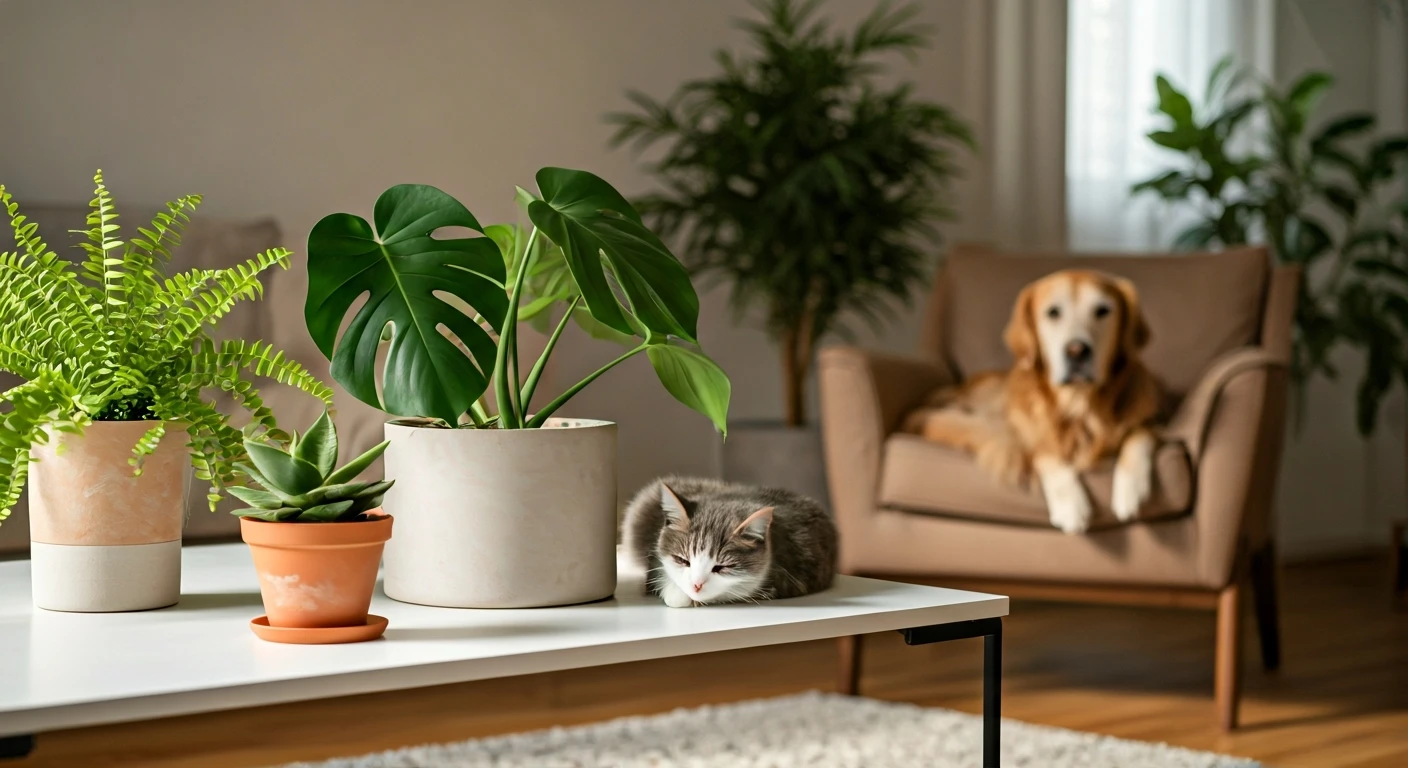
genuine environmental enrichment. The varied scents and textures offer sensory stimulation that mimics a more natural outdoor setting, helping to stave off boredom for indoor-only animals. Some animal behaviorists suggest that a richer sensory environment can lead to calmer, more engaged pets. While the air-purifying effects of a few houseplants are often overstated—you’d need a dense jungle to truly scrub the air—they do contribute to a more pleasant and biophilic space, which benefits humans and animals alike.
Know The Dangers: Toxicity is Non-Negotiable
Before you turn your apartment into a pet-friendly paradise, it's crucial to understand the risks. Many of the most popular and Instagram-famous houseplants are toxic to cats and dogs. Ingesting a leaf or flower can lead to anything from mild stomach upset to severe organ failure and death. Cats are particularly vulnerable to certain toxins, like those found in all parts of the lily plant. Because pets explore the world with their mouths, especially when they’re young or bored, you can’t assume they’ll instinctively avoid a poisonous plant. The responsibility falls squarely on the owner to curate a collection of greenery that is completely safe. Always cross-reference any potential plant purchase with the ASPCA's comprehensive list of toxic and non-toxic plants.
Your Pet-Safe Starter Pack
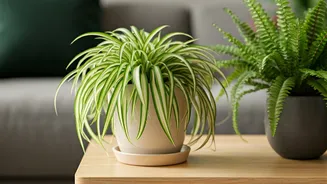
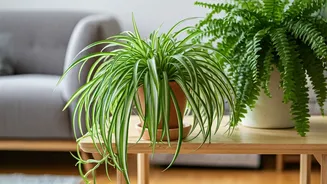
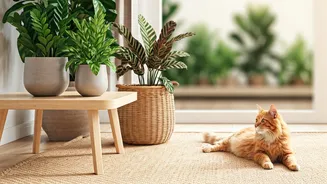
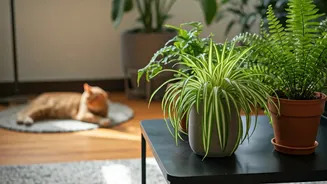
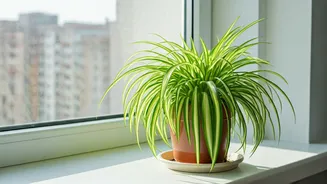
Ready to build a pet-friendly indoor garden? These popular, stylish, and non-toxic plants are a great place to start: * Spider Plant (Chlorophytum comosum): Famous for its air-purifying reputation and cascading spiderettes, this plant is hardy and completely safe for cats and dogs. Its dangly offshoots can be an irresistible cat toy. * Boston Fern (Nephrolepis exaltata): With its lush, feathery fronds, this classic fern adds a touch of green elegance to any room and is non-toxic to pets. * Calathea (Prayer Plant): Known for their stunning, patterned leaves that fold up at night, Calatheas are a beautiful and pet-safe choice. * Money Tree (Pachira aquatica): Often sporting a braided trunk, this trendy plant is considered a symbol of good fortune and, more importantly, is non-toxic to furry friends. * Haworthia (Zebra Plant): If you love the look of succulents but worry about sharp spines or toxicity, this small, striped succulent is a perfect, pet-safe alternative to aloe vera.
The Danger Zone: Common Plants to Avoid
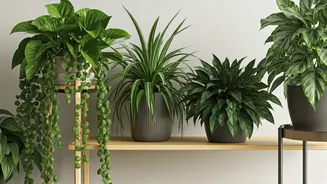
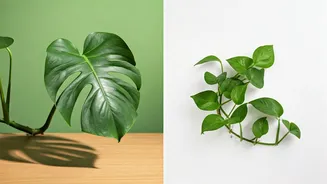
Some of the most common houseplants pose a serious threat. Keep these far away from your pets, or better yet, out of your home entirely: * Lilies (Lilium and Hemerocallis species): Extremely toxic to cats. Ingesting even a small amount of any part of the plant, or even pollen from their fur, can cause rapid kidney failure. * Sago Palm (Cycas revoluta): This popular decorative plant is highly toxic. Every part is dangerous, but the seeds contain the highest concentration of toxins and can cause liver failure and death. * Pothos & Philodendron: These ubiquitous trailing plants contain calcium oxalate crystals, which cause intense oral irritation, pain, swelling of the mouth, drooling, and vomiting if chewed or ingested. * Snake Plant (Dracaena trifasciata): While only mildly toxic, it can cause nausea, vomiting, and diarrhea if eaten by pets. * Jade Plant (Crassula ovata): This common succulent is toxic to dogs and cats, with ingestion leading to vomiting and depression.
Creating a Harmonious Home
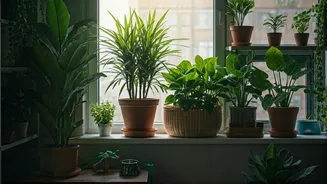
Beyond choosing the right species, smart placement is key. Use hanging planters to keep trailing plants out of reach. Place pots on high, sturdy shelves that your cat can't easily access. You can also make plants less appealing by sprinkling cayenne pepper on the soil or using a pet-repellent spray. Most importantly, observe your pet. If they show an obsessive interest in a particular plant, even a safe one, it might be best to move it. A plant that is constantly being chewed will become stressed and unsightly, and your pet may still experience mild stomach upset from overindulging.