
The Soul of the 'Imperfect'
For decades, luxury interior design was often synonymous with flawlessness. Think gleaming, untouched surfaces, razor-sharp angles, and a polished uniformity that screamed, “Do not touch.” It was a display of wealth built on industrial perfection. But
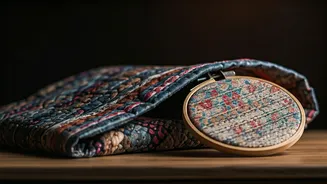
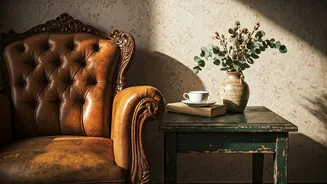
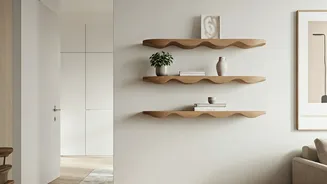
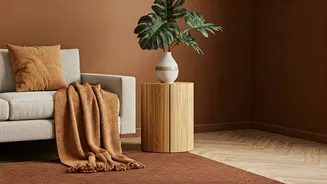
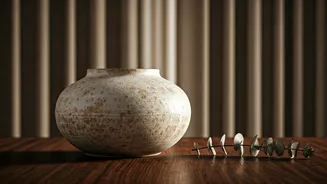
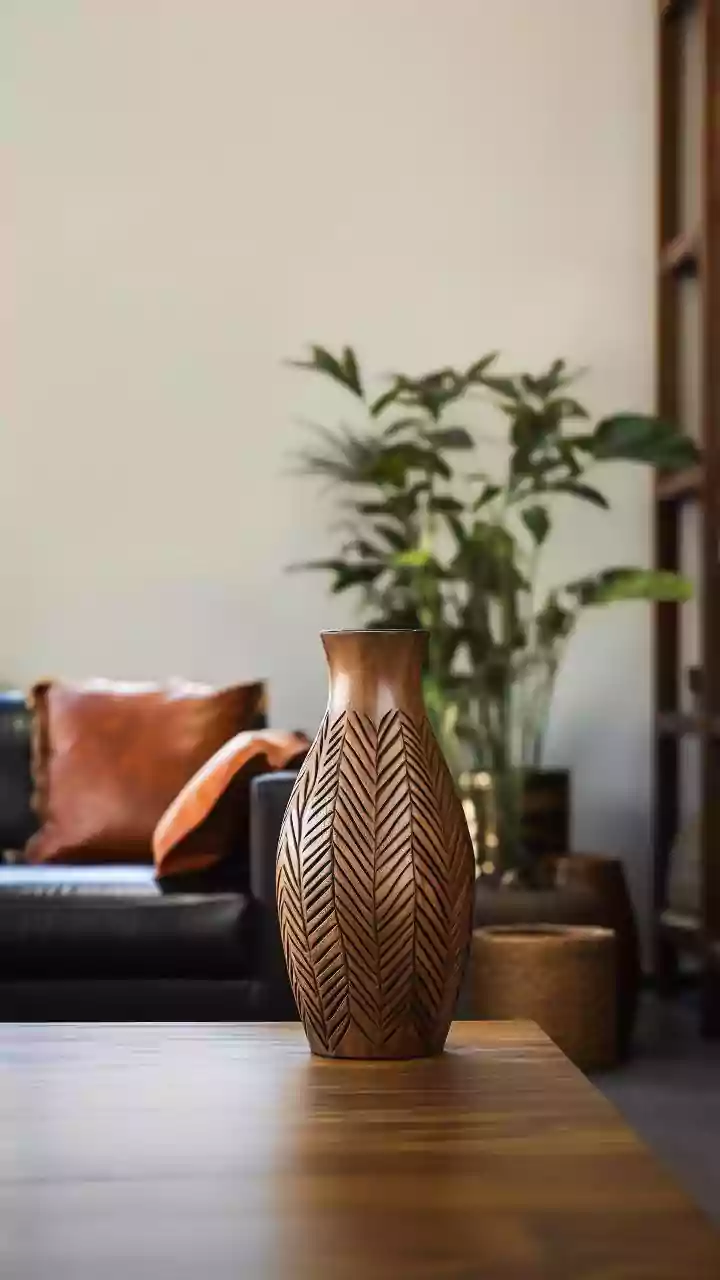
a powerful counter-current is reshaping what it means to live beautifully. We’re now seeing a deep appreciation for the ‘perfectly imperfect’—the slightly uneven glaze on a ceramic vase, the visible grain in a hand-carved wooden bowl, or the organic texture of a hand-loomed textile. These are not flaws; they are signatures. Each piece tells a story of its creation, bearing the indelible mark of the human hand that shaped it. In a world saturated with mass-produced replicas, this uniqueness has become the ultimate luxury. It’s a connection not just to an object, but to the person, skill, and time invested in its making.
A Backlash Against Digital Sameness
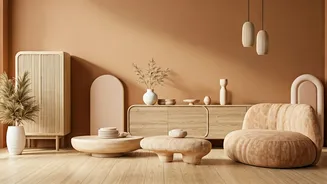
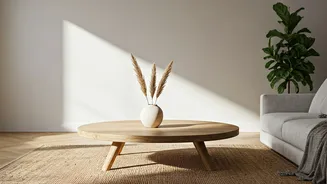
This trend isn't happening in a vacuum. It’s a direct and necessary reaction to our hyper-digital, overly curated lives. Social media feeds present an endless scroll of algorithm-approved aesthetics, where the same neutral bouclé sofa and Scandi-inspired coffee table appear in a thousand different homes, creating a pervasive sense of design déjà vu. The move toward artisanal decor is a quiet rebellion against this digital monoculture. It’s a conscious choice to step away from the fleeting trend and invest in something with permanence and personality. When you bring a piece of custom-blown glass or a block-printed pillow into your home, you’re not just decorating; you’re curating a personal gallery that reflects your taste, not an algorithm’s. It’s an anchor of authenticity in a sea of sameness, a tangible reminder that true style can’t be replicated with a single click.
Storytelling Through Objects
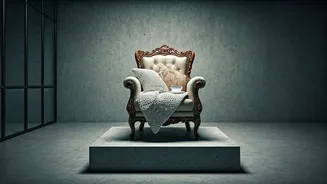
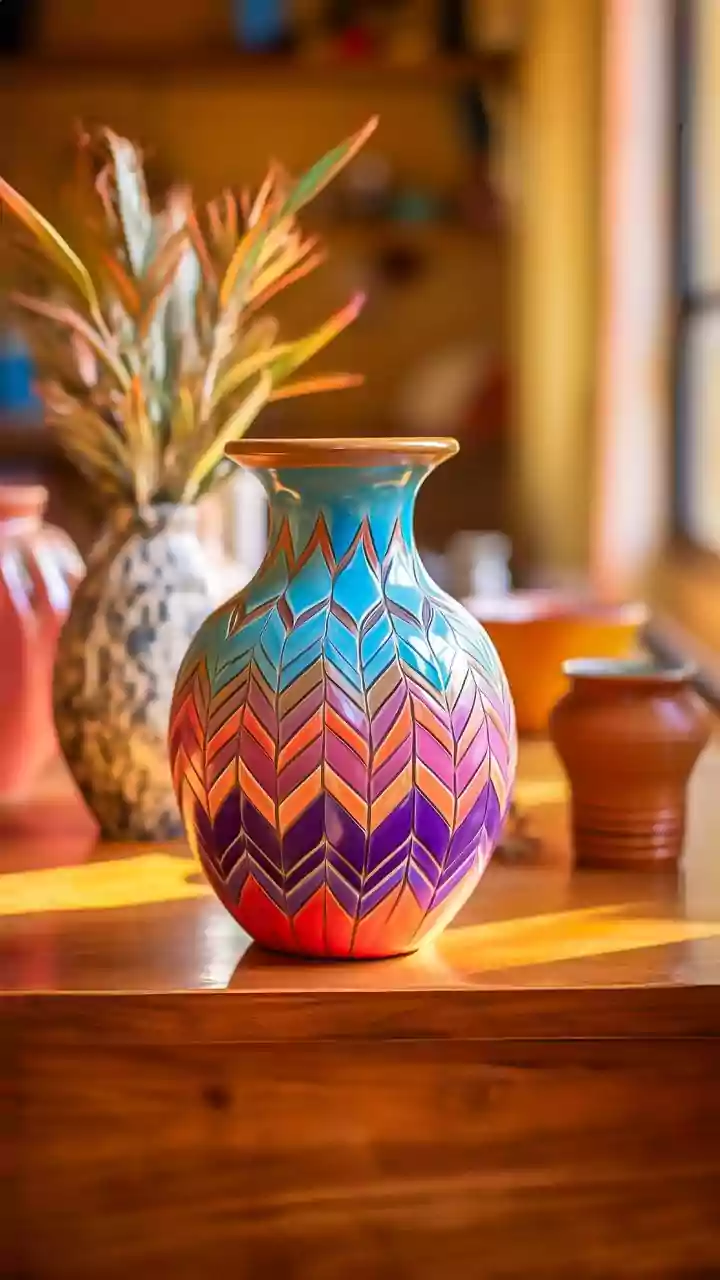
A factory-made chair serves a function. An artisan-crafted chair tells a story. This narrative depth is perhaps the most compelling aspect of the artisanal movement. A piece might carry the story of a centuries-old weaving technique from a small village in Oaxaca, the specific type of reclaimed wood salvaged from a historic building in New England, or the personal journey of a ceramicist who spent years perfecting a signature glaze. These objects become more than just decor; they are conversation starters, historical artifacts, and vessels of cultural heritage. They imbue a space with a sense of history and soul that no big-box store can offer. In this new vision of luxury, your home becomes a testament not to how much you spent, but to the stories you choose to surround yourself with. It’s a shift from consumption to connection.
Redefining What 'Luxury' Means
Ultimately, the rise of artisanal decor signals a fundamental evolution in the definition of luxury itself. For a new generation of discerning consumers, luxury is less about overt displays of wealth and more about an expression of personal values. It’s about sustainability, supporting small-scale creators, and owning something with genuine substance. The ultimate status symbol is no longer the logo-stamped throw blanket but the one-of-a-kind quilt made by a local artist. True luxury has become synonymous with rarity, craftsmanship, and emotional resonance. It's the difference between a home that looks like a pristine hotel lobby and one that feels like a life well-lived—filled with unique objects that are beautiful not just because of how they look, but because of the human spirit they represent.