





What 'Premiumisation' Actually Means
The term sounds like corporate jargon, but the reality is simple: 'premiumisation' is the move toward choosing a better, more expensive, or specialized version of an everyday product. In the U.S., you've seen it for years—swapping Folgers for single-origin
cold brew, Kraft Singles for aged cheddar, or Budweiser for a local IPA. Now, this exact shift is accelerating across India, a country of 1.4 billion people. It's not just about luxury; it’s about a perceived upgrade in quality, health benefits, experience, or social status. It's the conscious choice to spend a little more for something that feels more wholesome, authentic, or modern. This trend is a powerful indicator of a nation's growing economic confidence and changing cultural priorities.
Meet the New Indian Consumer
Driving this change is a demographic tsunami: India’s massive, young, and increasingly affluent middle class. Numbering in the hundreds of millions, this group is more urban, digitally connected, and globally aware than any generation before it. Thanks to the internet, streaming services, and a surge in international travel, they are exposed to global trends in real-time. They see what people are eating in New York, Tokyo, and London on Instagram and want a taste for themselves. With rising disposable incomes, they finally have the power to act on those desires. This consumer isn't just buying food to fill a need; they are curating a lifestyle. Food has become a form of self-expression, and they are willing to pay a premium for products that align with their aspirations for health, wellness, and a modern identity.
From Local Staples to Global Flavors
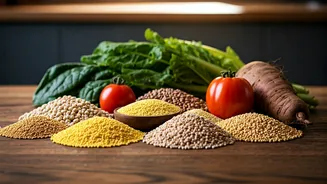
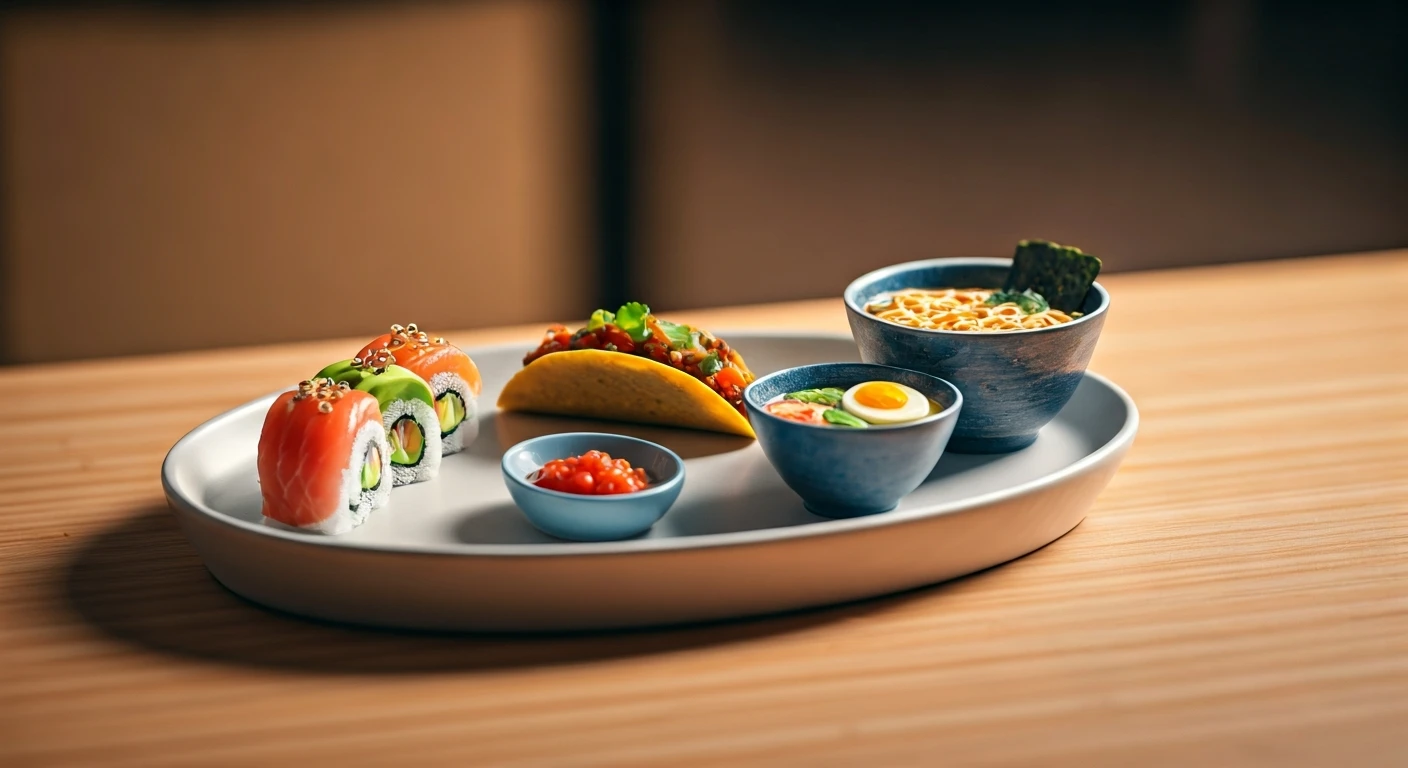
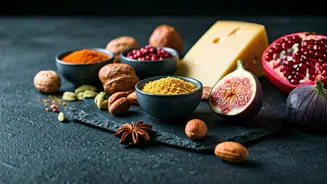
The effects of premiumisation are visible everywhere. In bustling cities like Mumbai and Bangalore, artisanal bakeries selling sourdough and croissants now compete with traditional vendors. Specialized coffee shops offering pour-overs and flat whites are booming, creating a new cafe culture. Supermarket aisles are increasingly stocked with items that were once rare luxuries: avocados, quinoa, blueberries, and a dizzying array of imported cheeses. Fast food is also getting an upgrade. While McDonald's remains popular, it's now joined by a wave of gourmet burger chains and upscale pizza joints that emphasize fresh ingredients and unique flavor profiles. Even traditional Indian snacks are getting a makeover, with new brands offering baked, non-fried, or organic versions of old favorites, packaged in sleek, modern bags.
It's About More Than Just Food
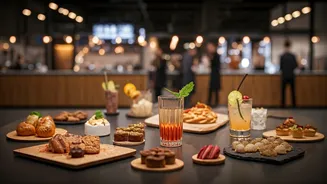
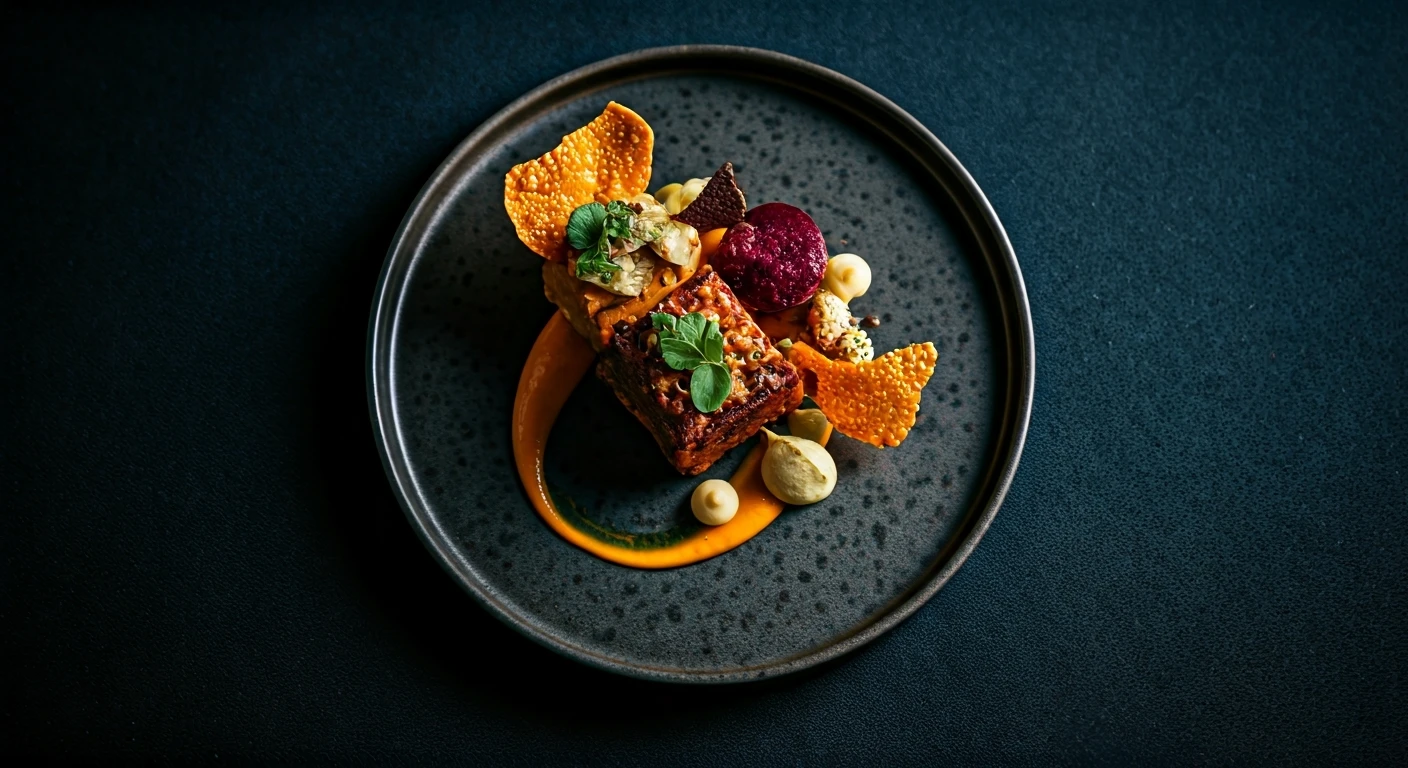
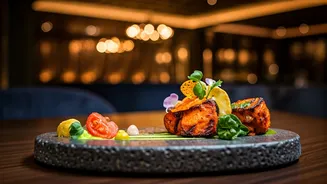
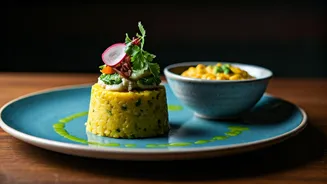
This trend extends beyond the ingredients themselves—it's also about the experience. The new Indian consumer is spending more on dining out, not just for convenience, but for entertainment and social connection. Restaurants with unique concepts, sophisticated decor, and 'Instagrammable' dishes are thriving. The story behind the food also matters more than ever. Brands that can communicate a narrative—whether it’s about organic sourcing, an authentic regional recipe, or a founder’s passion—are capturing consumer loyalty. This shift represents a fundamental change in the value proposition. Food is no longer just sustenance; it is a complete sensory and social experience, and Indians are increasingly willing to invest in making that experience a premium one.