






More Than Just Meat-Free
It’s easy to assume that a country with one of the world's largest vegetarian populations has a built-in advantage in sustainable eating. While traditional plant-based diets are a huge head start, the new wave of climate consciousness in India is drilling
down into much more specific questions. It’s no longer just about avoiding meat; it’s about the carbon footprint of the entire food system. The conversation among a growing number of chefs, consumers, and startups in cities like Mumbai, Delhi, and Bengaluru now revolves around water usage, soil health, food miles, and biodiversity. They’re asking tougher questions: Is this avocado, flown from halfway across the world, really a sustainable choice? Is an industrially farmed tomato better than a locally sourced, seasonal gourd? This shift marks a maturation from a broad ethical stance to a sharp, data-informed culinary philosophy.
The Mighty Millet Revival
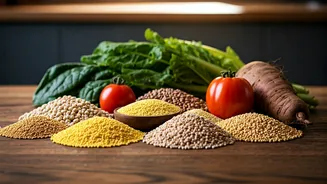
Perhaps the most visible sign of this trend is the enthusiastic return of millets. For decades, Indian agriculture has been dominated by water-intensive cash crops like rice and wheat, a legacy of the Green Revolution. But millets—a diverse group of ancient grains including sorghum (jowar), pearl millet (bajra), and finger millet (ragi)—are making a major comeback. These hardy grains are nutritional powerhouses, naturally gluten-free, and, most importantly, incredibly climate-resilient. They require a fraction of the water needed for rice, thrive in arid conditions, and improve soil health. Spurred by a government push and celebrated by innovative chefs, millets are no longer just humble rural staples. They are appearing in gourmet tasting menus, artisanal breads, and even beer, rebranded as a smart, modern choice for a climate-stressed world. This isn't just nostalgia; it's a calculated agricultural pivot with profound environmental implications.
Hyperlocal Goes Mainstream
The farm-to-table concept isn’t new in the U.S., but in India, it's taking on a unique and radical form. A new generation of chefs is championing a hyperlocal ethos, drastically shrinking their supply chains. Some build entire menus around ingredients sourced from within a 100-mile radius, forcing them to innovate with indigenous vegetables, foraged greens, and seasonal produce that rarely make it to a conventional supermarket. This approach does more than just cut down on food miles. It helps preserve regional culinary traditions and supports small-scale farmers who cultivate native plant varieties. Restaurants like Masque in Mumbai or The Farm in Chennai have become destinations for diners eager to taste a menu that reflects a specific place and time, offering a powerful counter-narrative to the homogenized, globalized food supply chain.
Fighting Food Waste with Tech
A crucial, often-overlooked part of climate-conscious eating is tackling food waste. India faces significant challenges with post-harvest losses, meaning a large percentage of food spoils before it ever reaches a consumer. Here, a burgeoning tech startup scene is stepping in. New apps and platforms connect farmers directly with consumers or businesses to sell “ugly” or surplus produce that would otherwise be discarded. Others are using technology to create more efficient cold chains and logistics networks. This isn't just about saving a few bruised apples; it's about making the entire food system more efficient. By ensuring that the resources—water, land, and labor—that went into growing the food aren't wasted, these initiatives represent a critical and practical pillar of the country's evolving sustainable food movement.