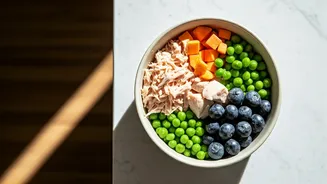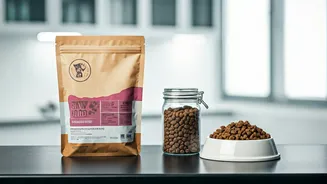




The 'Pet Parent' Dilemma
The modern pet food market is a masterclass in emotional marketing. Brands know you see your dog or cat as a member of the family, and they tailor their messaging accordingly. Words like “premium,” “ancestral,” and “gourmet” are designed to appeal to your love
and sense of responsibility. This isn't inherently bad, but it creates a landscape where marketing can easily overshadow nutritional science. The result is a paradox of choice: more options than ever, but less clarity. The first step to finding trustworthy food is to separate the emotional appeal from the factual information printed on the bag.
Start with the First Five Ingredients
Pet food ingredients are listed by pre-cooking weight, meaning the first few items on the list make up the bulk of the food. This is your first and best clue to the food’s quality. Look for a high-quality, named animal protein as the first ingredient. Phrases like “chicken,” “beef,” “salmon,” or “lamb” are what you want to see. Be more skeptical of vague terms like “meat meal” or “animal by-product.” While by-products can be nutritious (they often include organ meats), their quality can vary wildly, and the lack of specificity is a red flag for pet parents seeking transparency. A strong ingredient panel starts with a protein you can easily identify.
Learn to Ignore Marketing Buzzwords
Many of the most appealing words on pet food packaging have little to no regulated meaning. “Holistic,” “premium,” and “gourmet” are purely marketing terms. Even “natural” has a loose definition, generally meaning free of artificial flavors, colors, or preservatives. “Human-grade” is one of the few terms with a stricter legal definition, requiring that all ingredients and processes meet federal standards for human food, but it comes at a significant price premium. Instead of being swayed by these buzzwords, focus on the verifiable information: the ingredient list and the nutritional adequacy statement.
The Truth About Grains and Fillers
The grain-free trend has been one of the biggest stories in pet food over the last decade. It positioned grains like corn, wheat, and soy as cheap, non-nutritious “fillers.” The reality is more complex. While some pets have specific grain allergies, most dogs and cats digest them perfectly well. Corn, for example, provides carbohydrates for energy, essential amino acids, and fiber. The bigger concern has been the rise of boutique, exotic ingredient, and grain-free (BEG) diets, which the FDA has investigated for a potential link to a heart condition called dilated cardiomyopathy (DCM) in dogs. This doesn't mean all grain-free food is bad, but it underscores that grains are not the enemy marketing has made them out to be. The focus should be on overall nutritional balance, not the simple presence or absence of one ingredient type.
Find the AAFCO Statement
This might be the single most important piece of information on any bag of pet food. Look for a small block of text that says something like, "[Pet Food Name] is formulated to meet the nutritional levels established by the AAFCO [Dog/Cat] Food Nutrient Profiles for [life stage]." AAFCO, the Association of American Feed Control Officials, sets the nutritional standards for complete and balanced pet foods. This statement is your assurance that the food provides the minimum required levels of all essential nutrients for a puppy, kitten, adult, or senior animal. Without this statement, you are essentially buying a collection of ingredients that may or may not constitute a healthy, long-term diet.