






The New Face of Burnout
While burnout is a global phenomenon, it has a distinct flavor in India’s thriving urban centers. Cities like Bengaluru, Hyderabad, and Gurgaon have become epicenters of the global tech and startup scene, fostering a high-pressure work culture that mirrors,
and sometimes exceeds, that of Silicon Valley. Long hours, intense competition, and the ‘always-on’ expectation fueled by a hyper-connected economy have left a generation of young professionals feeling drained. This isn't just about being tired; it's a deeper exhaustion that big, planned-out annual vacations can no longer fix. The post-pandemic world has also shifted perspectives, with many re-evaluating the central role of work in their lives. The result is a collective search for immediate, accessible forms of relief, and travel is proving to be the most popular prescription.
Enter the Micro-Trip
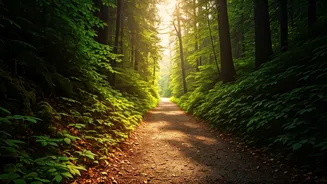
Forget the two-week, multi-city family tour that once defined Indian holidays. The 'quick reset' is its opposite: short, spontaneous, and intensely personal. These are typically two-to-four-day trips, often tacked onto a weekend and planned with little notice. The goal isn’t to check off a list of tourist sites but to actively disconnect. For a professional in Delhi, it might mean a last-minute drive up to a quiet ‘hill station’—colonial-era mountain towns like Shimla or Mussoorie—to simply breathe cool, clean air. For someone in Mumbai, it could be a ferry ride to a boutique villa in the coastal town of Alibag. The spontaneity is key; it’s a rebellion against the over-scheduled nature of corporate life. Travel booking platforms in India have seen a significant surge in searches for weekend getaways and short-haul destinations, confirming that this is a widespread and growing movement.
Destinations for Disconnection
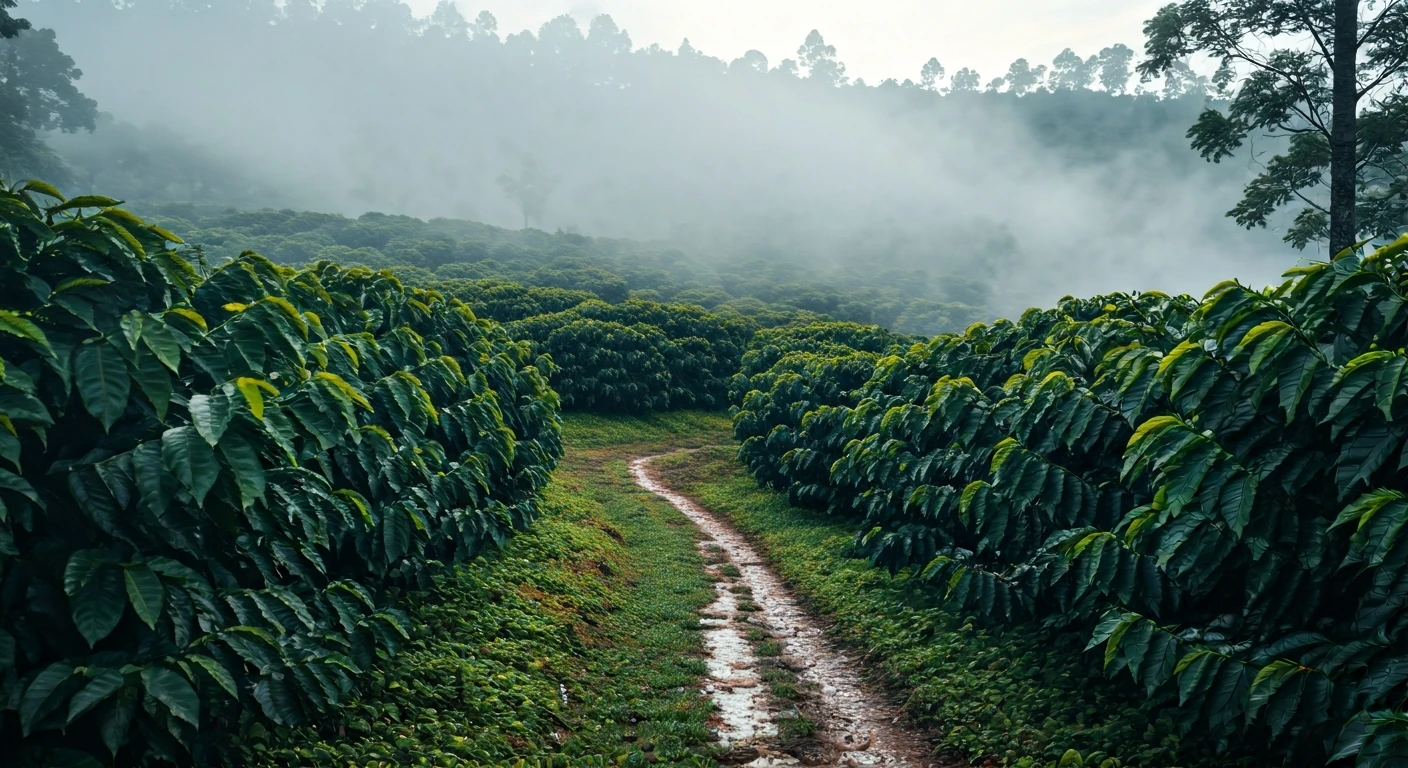
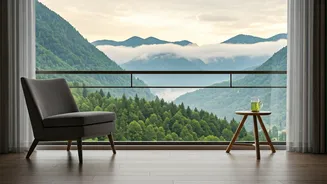
The destinations fueling this trend are not the blockbuster attractions like the Taj Mahal. Instead, travelers are seeking out places that offer tranquility and a change of pace within a few hours’ drive or a short flight. Besides the Himalayan foothills, other popular escapes include the coffee plantations of Coorg in Karnataka, the serene backwaters of Kerala where travelers can drift on houseboats, and the French-colonial charm of Puducherry for a dose of coastal calm. These places offer what the city cannot: quiet, nature, and a slower rhythm. The rise of boutique hotels, wellness retreats, and high-end homestays that cater specifically to this market—offering yoga, farm-to-table meals, and digital detox packages—shows how the industry is adapting. It's less about where you go and more about what you do, or rather, what you *don’t* do: check email, take work calls, or doomscroll.
A Cultural Shift in Leisure
This trend is more than just a new way to travel; it's a reflection of a deeper cultural shift. In a country where work has often been intrinsically linked to identity and purpose, prioritizing mental health and personal well-being is a relatively new, but powerful, idea for the urban middle class. These quick resets are a form of self-care, a conscious effort to prevent burnout before it becomes debilitating. It mirrors similar trends in the U.S., like the rise of 'micro-cations' and the search for work-life balance that spawned concepts like 'quiet quitting.' For many Indian professionals, these trips are becoming a non-negotiable part of their lifestyle, a necessary valve to release the pressure of their demanding careers. It represents a redefinition of leisure itself—from a rare, elaborate event to a frequent, essential practice for survival in the modern economy.