



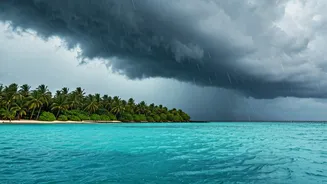
The Dream vs. The Downpour
Suddenly, it seems like everyone is talking about Lakshadweep. Thanks to a viral social media moment and a surge in national interest, this remote Indian archipelago has shot to the top of many travel bucket lists. And why not? Comprising 36 islands—only
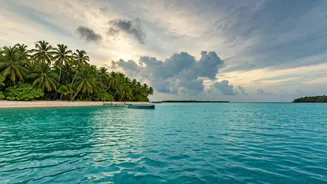
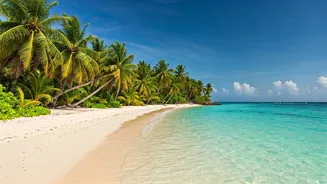
a handful of which are inhabited or open to tourists—it represents a pristine, off-the-beaten-path alternative to more crowded tropical destinations. The promise is one of serene isolation, world-class diving in places like Agatti and Bangaram, and an escape to a landscape that looks like a real-life screen saver.
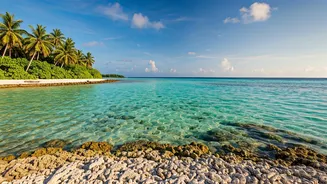
This idyllic image, however, is highly seasonal. While the photos showcase endless sunshine and calm, glassy water, they almost never show what the islands look like for nearly a third of the year. For travelers dreaming of this paradise, confusing the brochure image with the year-round reality can lead to a trip that is memorable for all the wrong reasons.
Understanding the Monsoon Season
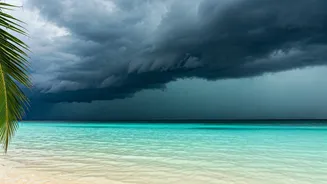
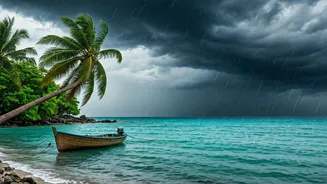
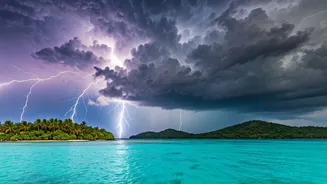
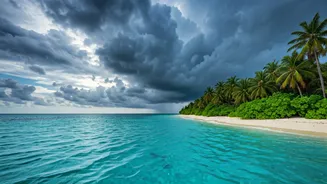
The great disruptor in Lakshadweep is the Southwest Monsoon, a powerful weather system that blankets the region from roughly late May or early June through September. This isn't just a few afternoon showers. The monsoon brings torrential, near-constant rainfall, high humidity, and, most importantly, strong winds that transform the tranquil Arabian Sea into a churning, inhospitable force.
During these months, the calm lagoons that define Lakshadweep’s charm become rough and murky. The winds can be fierce, and the sheer volume of rain can turn a peaceful island retreat into a damp, isolating experience. Unlike some Southeast Asian destinations where the rainy season might mean a brief daily downpour, the monsoon in Lakshadweep is a dominant, defining feature that effectively shuts down the very activities that draw tourists in the first place.
Getting There (or Not)
The single biggest reality check for any monsoon-season traveler is logistics. Lakshadweep is already one of the most regulated and difficult-to-access destinations in India, requiring special entry permits for all visitors. The monsoon makes this exponentially harder.
The primary way to reach the islands is by a small propeller plane from Kochi to the archipelago’s only airport on Agatti Island. During the monsoon, these flights are notoriously unreliable, subject to frequent and last-minute cancellations due to high winds and poor visibility. Imagine getting your permit and booking your stay, only to be stranded in Kochi for days on end.
Ship travel, the other main link to the mainland and the lifeline between the islands themselves, is even more affected. Most passenger ship services are suspended entirely for the duration of the monsoon because the sea is simply too dangerous to navigate. This means that even if you managed to fly in, inter-island travel to popular tourist spots like Bangaram or Thinnakara becomes virtually impossible.
Paradise Closed for Business
Even if you overcome the odds and arrive, the on-island experience is a shadow of its peak-season self. The tourism industry in Lakshadweep is built around the water. Scuba diving, snorkeling, kayaking, glass-bottom boat tours—these are the main attractions. From June to September, they all stop.
The sea becomes too rough and visibility plummets, making diving and snorkeling both dangerous and pointless. Most water sports operators shut down completely. Many resorts and private cottages, including the popular ones on Bangaram, close for the season. They use this time for maintenance and repairs, knowing that the tourist flow will cease. What you’re left with is an island in hibernation, with limited activities, fewer open facilities, and the persistent sound of rain.
The Ideal Travel Window
So, when should you go? The answer is clear: the best time to visit Lakshadweep is from October to mid-May. This is the dry season, when the skies are clear, the sea is calm, and the islands truly live up to their postcard-perfect reputation. During this period, flight and ship schedules are reliable, all resorts and water sports centers are operational, and the underwater world is at its most vibrant and visible. The absolute peak season runs from December to February, offering the most pleasant weather, but the shoulder months of October, November, March, and April are also fantastic, often with fewer crowds. Planning a trip during this window is the single most important decision you can make to ensure you experience the paradise you’ve been dreaming of.