



The Himalayan Rain Shadow Secret
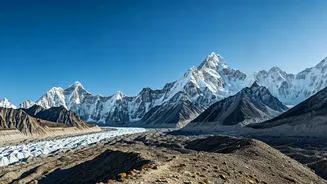
The magic behind Leh’s perfect summer weather is a simple matter of geography. Nestled deep within the Indian Himalayas, the region of Ladakh sits in a “rain shadow.” The towering mountain ranges, including the Pir Panjal and the main Himalayan crest,
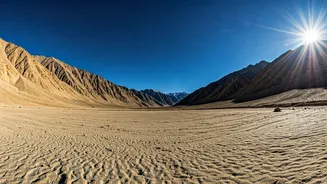
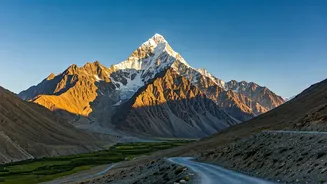
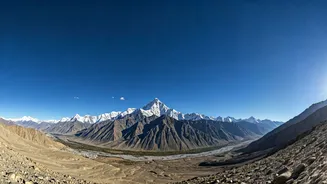
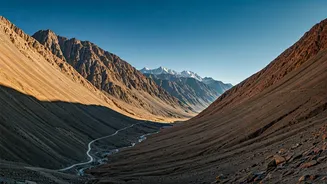
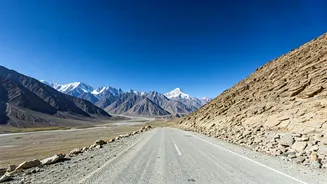
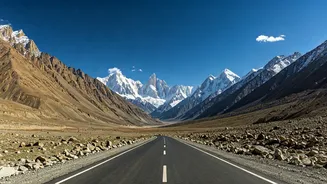
act as a colossal wall, blocking the moisture-laden monsoon clouds that sweep in from the Indian Ocean. While these clouds drench the southern slopes and plains, they cannot cross the peaks to reach Ladakh. The result is a high-altitude cold desert, a starkly beautiful landscape of barren mountains, deep blue skies, and intense sunshine. This unique climatic phenomenon makes Leh not just a passable monsoon option, but an ideal one. From June to September, when travel can be a washout elsewhere, Ladakh experiences its peak season, with clear, dry weather perfect for sightseeing and exploration.
What to Expect: Sun, Not Showers
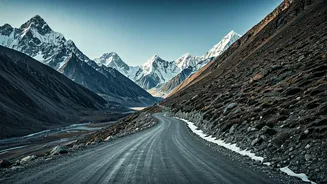
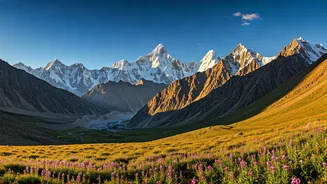
Forget the humidity, mud, and endless downpours. A summer trip to Leh is defined by brilliant sun, crisp air, and comfortable temperatures. Daytime highs typically hover in the 60s and 70s Fahrenheit—perfect for walking around town or visiting monasteries without breaking a sweat. However, the altitude (Leh sits at about 11,500 feet) means the sun is incredibly strong, and nights can get quite chilly, often dipping into the 40s. Packing layers is essential. You’ll need sunscreen, a wide-brimmed hat, and sunglasses during the day, and a warm jacket or fleece for the evenings. The landscape is a photographer’s dream, with the sharp, unfiltered sunlight casting dramatic shadows across the brown, grey, and ochre mountains, all set against a sky of the deepest azure. It’s a sensory experience that feels a world away from the grey, damp weather patterns of a typical monsoon.
Your High-Altitude Itinerary
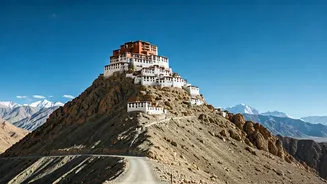
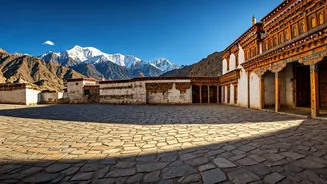
With the weather on your side, Leh offers an incredible array of activities. The town itself is a charming hub of Ladakhi and Tibetan culture, centered around a bustling main bazaar and the historic Leh Palace, which looms over the city. From here, you can explore some of the most spectacular Buddhist monasteries in the world. Thiksey Monastery, a stunning multi-tiered complex that closely resembles the Potala Palace in Lhasa, is an unmissable sight. Hemis, the region’s largest monastery, is tucked away in a gorge and comes alive during its famous summer festival. For a dose of pure adrenaline and breathtaking views, consider a drive to Khardung La. Once billed as the world’s highest motorable pass, it offers panoramic vistas of the surrounding peaks. More ambitious travelers can continue into the Nubra Valley, a lower-altitude region famous for its Bactrian camels and sand dunes set against a backdrop of snow-capped mountains.
Getting There and Acclimatizing
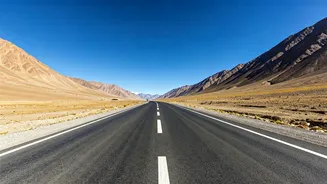
While road trips to Leh from Manali or Srinagar are legendary, they can be unpredictable during the monsoon season as landslides can affect lower-altitude passes. The easiest and most reliable way to reach Leh during this period is by air. Daily flights connect Leh’s Kushok Bakula Rimpochee Airport (IXL) with Delhi and other major Indian cities. The flight itself is a spectacle, offering stunning aerial views of the Himalayan range. Upon arrival, the most critical part of your trip begins: acclimatization. The sudden jump to 11,500 feet can cause altitude sickness if you don’t take it seriously. The standard advice is to do absolutely nothing for the first 24 to 48 hours. Rest, drink plenty of water, avoid alcohol, and allow your body to adjust to the thin air. Once you’re acclimatized, you can begin exploring at a gentle pace, ensuring a safe and comfortable journey.