







What Is Jojoba Oil, Anyway?
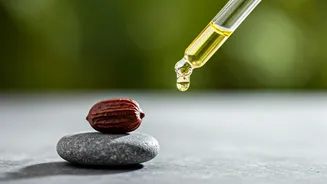
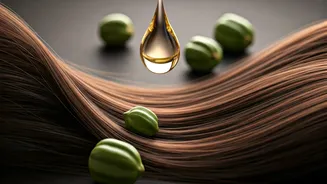
First, a fascinating bit of science: jojoba (pronounced ho-HO-ba) oil isn't technically an oil. It's a liquid wax ester extracted from the seeds of the Simmondsia chinensis plant, a shrub native to the deserts of Arizona, California, and Mexico. This
distinction is crucial. While many popular hair oils coat the hair shaft, jojoba’s unique chemical structure allows it to behave in a way that’s remarkably similar to our body's own natural oils. This makes it less of a foreign substance and more of a welcome supplement for your hair and scalp, offering benefits without the greasy, heavy feeling some other oils can leave behind. Its stability also gives it a long shelf life, so you don't have to worry about it going rancid quickly.
The Secret: It Mimics Your Scalp's Natural Oil
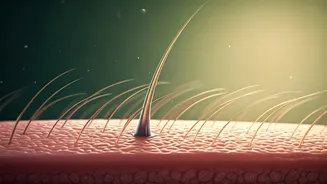
The true magic of jojoba oil lies in its molecular similarity to sebum, the waxy oil produced by our sebaceous glands. Sebum’s job is to moisturize and protect our skin and hair. However, factors like harsh shampoos, environmental stress, and even genetics can throw sebum production out of whack. If you produce too much, you get an oily scalp. Too little, and you're left with dryness, flakes, and brittle hair. Because jojoba oil so closely resembles sebum, the scalp doesn't see it as a foreign invader. When applied, it can help dissolve excess sebum and debris that might clog hair follicles. For those with dry scalps, it provides gentle, non-greasy moisture, creating a balanced and healthy environment for hair to thrive.
Key Benefits for Hair Strength
So how does a balanced scalp translate to stronger hair? First, by moisturizing the hair follicle, jojoba oil can help fortify strands from the inside out, making them more elastic and less prone to snapping and breaking. This is the foundation of 'stronger' hair—not necessarily making each strand thicker, but reducing the damage that weakens it over time. Second, by nourishing the scalp, you create a better environment for new hair growth. While jojoba oil isn't a miracle cure for hair loss, a healthy, unclogged, and well-hydrated scalp is a prerequisite for a healthy growth cycle. Finally, its conditioning properties can smooth the hair cuticle, which reduces frizz and adds a natural-looking shine that makes hair appear healthier and more vibrant.
How to Add Jojoba Oil to Your Routine
Integrating jojoba oil is simple. Here are a few effective methods:
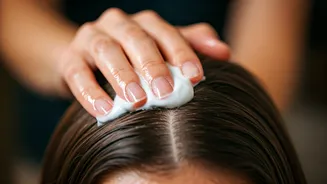
1. As a Scalp Treatment: Before you shampoo, warm a tablespoon of jojoba oil in your hands and massage it directly into your scalp for 5-10 minutes. This helps loosen buildup and deeply moisturize the skin. Let it sit for at least 30 minutes (or even overnight for an intensive treatment) before washing your hair as usual.
2. To Seal in Moisture: After washing and conditioning, apply just a few drops to your damp hair, focusing on the mid-lengths and ends. This will help seal the hair cuticle and lock in the moisture from your shower, protecting your ends from splitting and drying out.
3. Boost Your Conditioner: Add a few drops of jojoba oil to your favorite conditioner in your palm before applying. This gives your regular product an extra dose of moisturizing power without weighing your hair down. Start with a small amount and see how your hair responds.