


Not Your Average Airport Transfer
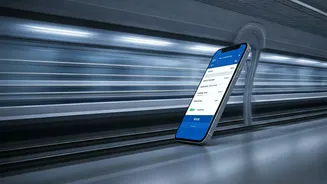
For one day, the familiar interface of the Uber app in Tokyo held a fantastic secret. Buried among the standard UberX and Black options was a choice that seemed ripped from a video game: the “Drift WAGON.” This wasn't a clever name for a car with a large
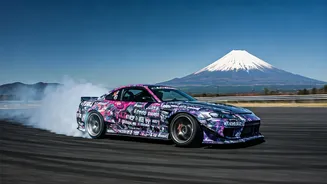
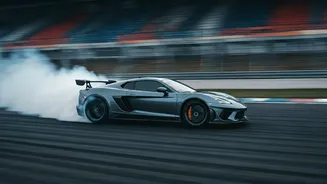
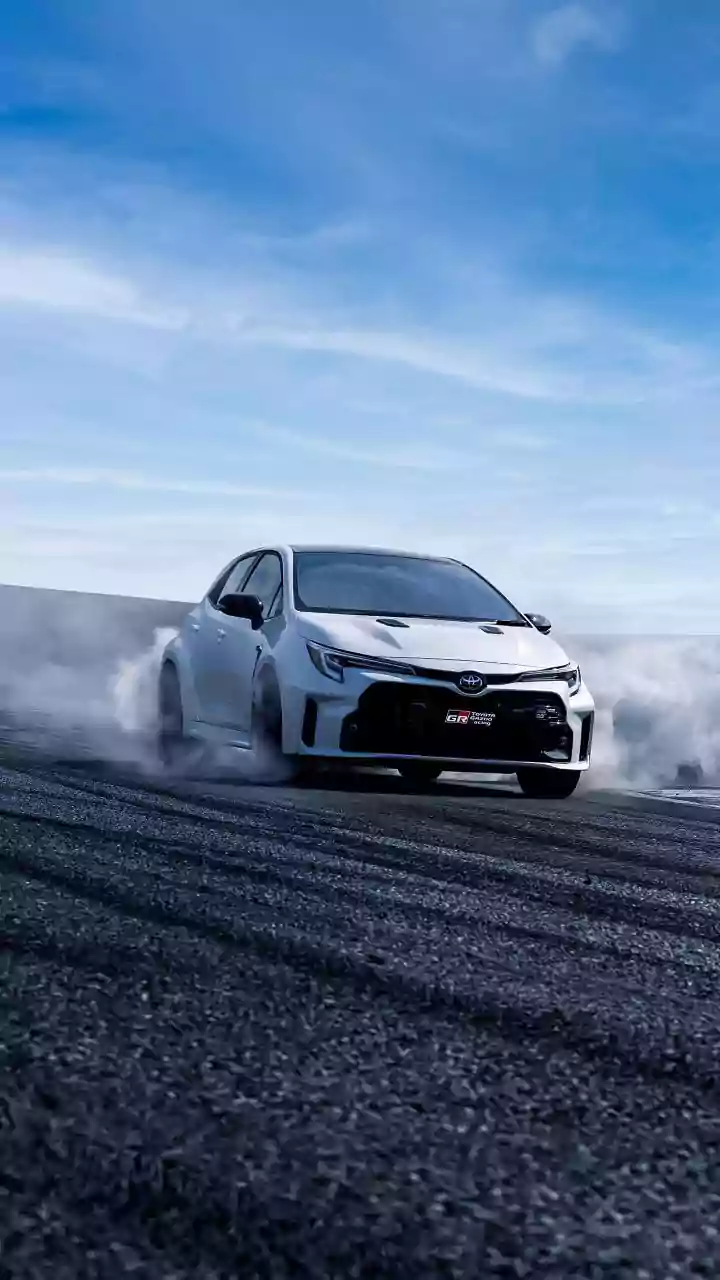
trunk. It was a literal invitation to experience drifting—the art of controlled oversteer—in a professionally prepared vehicle. On October 26, 2023, a handful of lucky (or brave) users were able to book a ride in a custom Toyota GR Supra, piloted not by a typical gig-economy driver, but by a world-class professional drifter. The experience, offered in the city's Odaiba district, transformed a simple ride-hail into a high-octane automotive spectacle. For the price of absolutely nothing—the rides were free for the few who snagged one—passengers were treated to a dose of adrenaline that a ride to the grocery store simply can't provide.
From 'Tokyo Drift' to Uber App
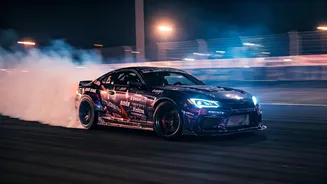
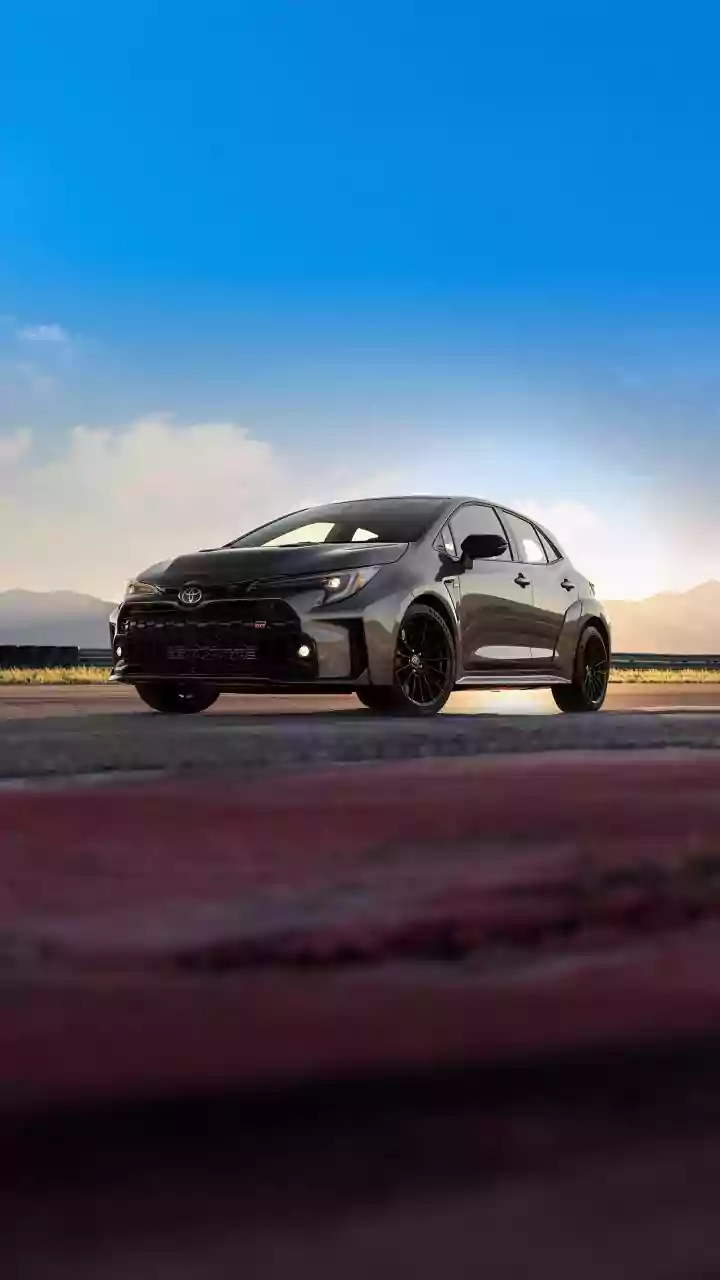
For many Americans, the concept of drifting is synonymous with the film *The Fast and the Furious: Tokyo Drift*. It’s a motorsport that requires immense driver skill, balancing the car on a knife's edge between control and chaos as it slides gracefully through corners, tires bellowing smoke. It’s loud, aggressive, and visually spectacular. And it’s the absolute last thing you’d associate with Uber, a company built on quiet efficiency and predictable logistics. The vehicles for this stunt were no ordinary sedans. They were Toyota GR Supras, iconic Japanese sports cars, specially modified for drifting. Behind the wheel were motorsport legends like Daigo Saito and Nobuteru Taniguchi, drivers whose day job involves competing at the highest levels of professional drifting. Passengers weren't just getting a ride; they were getting a front-row seat to a masterclass in car control, strapped into a bucket seat while a pro painted smoky donuts on the pavement.
The Ultimate Marketing Stunt
Let’s be clear: Uber isn’t about to add a permanent 'Drift' option to its global fleet. The program, a partnership with Toyota Gazoo Racing to celebrate Japan's “Taxi Day,” was a brilliantly executed marketing campaign. For Uber, it was a way to generate massive buzz and associate its brand with excitement and cutting-edge culture. It shattered the company’s buttoned-up, utilitarian image and replaced it, however briefly, with the smell of burnt rubber and the roar of a performance engine. For Toyota, it was an equally savvy move. The carmaker got to showcase its flagship sports car, the GR Supra, and its commitment to motorsport (Gazoo Racing is Toyota's performance division) to a massive, global audience that extends far beyond typical racing fans. By putting their halo car in a context that was both accessible and thrilling, they created a powerful advertisement for Japanese engineering and car culture itself. It was a perfect symbiosis of tech and horsepower.
A Taste of the 'Experience Economy'
While you can no longer book an Uber Drift ride, the event points to a larger trend in travel and branding: the shift toward the “experience economy.” In a world where you can buy almost anything with a click, companies are realizing that the most valuable commodity is a unique, shareable memory. This isn't just about getting from Point A to Point B anymore. It’s about the story you can tell afterward. We've seen this with Airbnb offering “Experiences” hosted by locals and airlines designing more boutique, curated travel packages. The Uber Drift ride is the logical, if extreme, conclusion of this trend. It proves that even the most mundane services can be transformed into unforgettable adventures. It raises the question: what's next? A helicopter ride to the airport booked through a train app? A gourmet meal cooked by a celebrity chef in your rental car? The lines are blurring, and the future of travel might be a lot more interesting than we think.