


Start with Woven Fibers
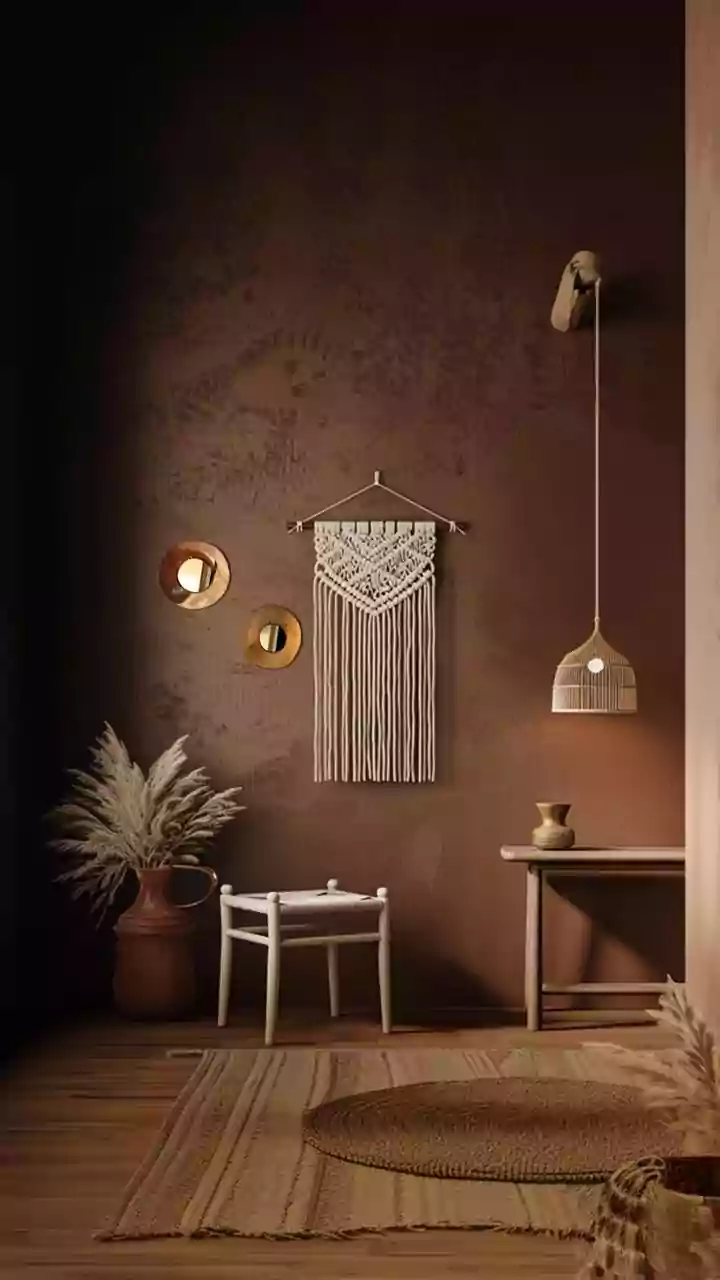
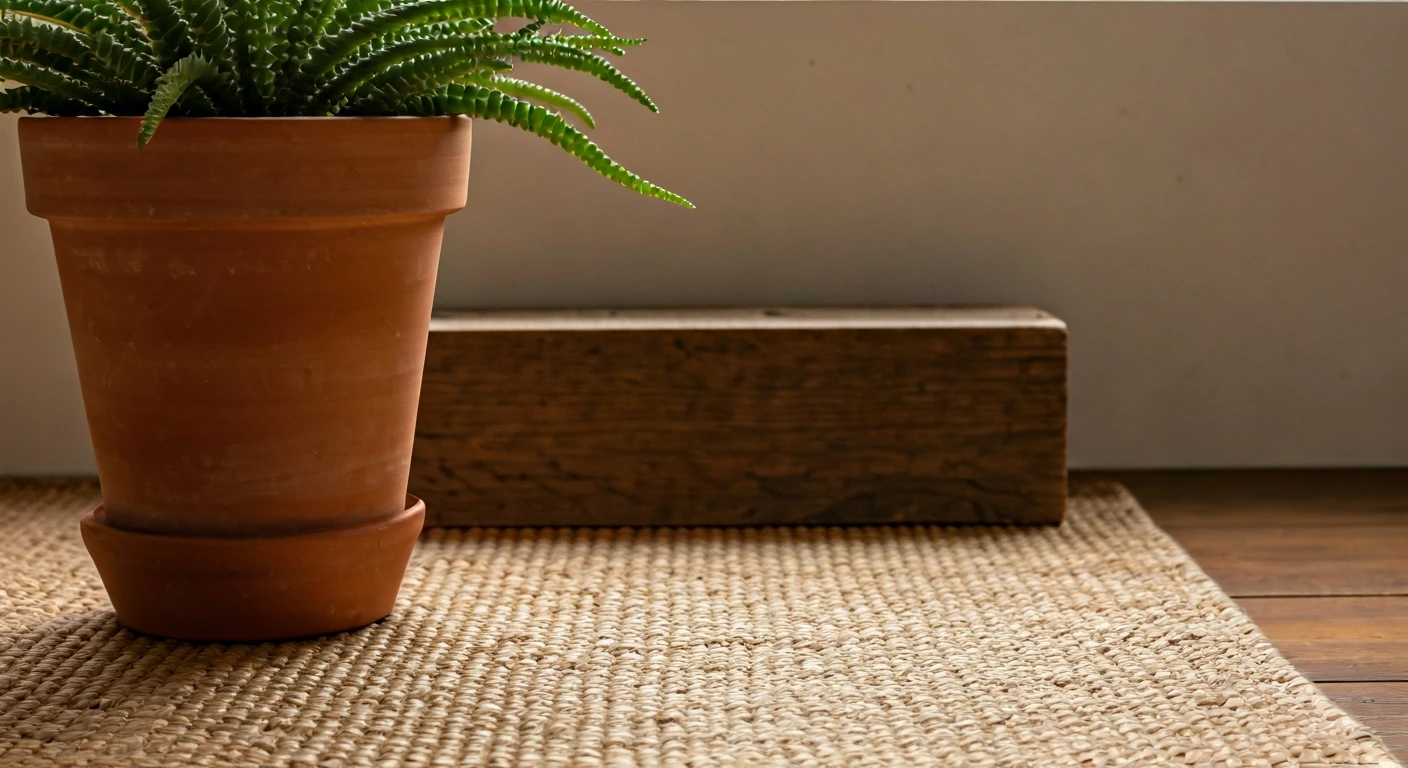
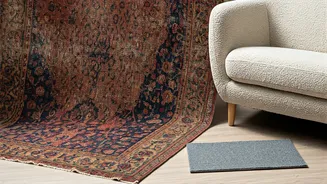
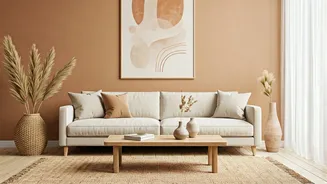
The easiest entry point into the world of texture is through woven goods. Materials like jute, rattan, seagrass, and wicker bring an instant dose of organic warmth to a room. A large jute or sisal rug can anchor a living area, defining the space while
hiding less-than-ideal flooring. Its coarse, natural feel provides a beautiful contrast to softer furniture. Beyond the floor, look for rattan baskets for stylish storage (perfect for hiding clutter), woven pendant lights that cast a warm, patterned glow, or even seagrass placemats to elevate your dining table. These pieces are functional, affordable, and work with almost any design style, from bohemian to modern.
Incorporate Raw and Natural Wood
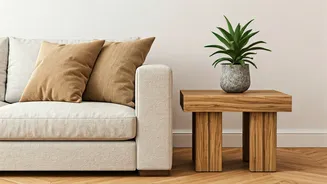
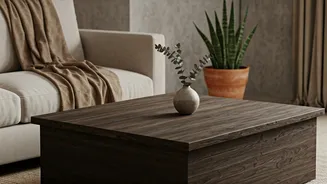
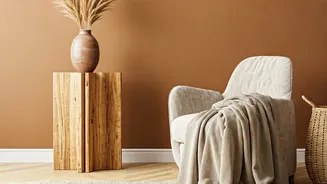
Many apartments come with laminate floors or generic cabinetry that lack character. Counter this by introducing pieces of real, tactile wood. You don’t need to buy a whole new dining set. Think smaller and more accessible. A live-edge wood slice used as a side table, a thick acacia wood cutting board leaning against your kitchen backsplash, or a set of mango wood bowls on a coffee table can add a surprising amount of visual interest. The key is to look for wood with a visible grain, a matte or oiled finish rather than a high-gloss lacquer, and even some imperfections. These details tell a story and make a space feel more grounded and authentic.
Embrace Imperfect Ceramics
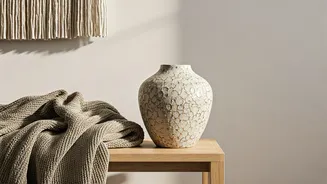
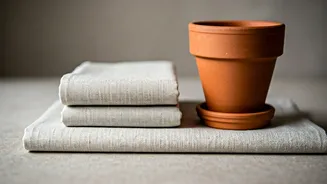
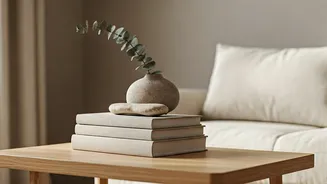
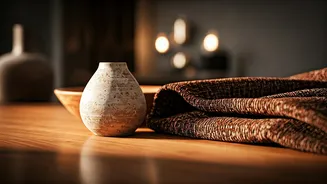
Mass-produced, perfectly smooth decor can contribute to that sterile, generic feeling. Fight back with ceramics that celebrate imperfection. Look for stoneware, terracotta, and earthenware with matte glazes, slightly uneven shapes, and a tangible, grainy finish. A collection of small terracotta pots for your succulents, a large stoneware vase for a few dramatic branches (real or faux), or even your everyday coffee mugs can become textural highlights. These items connect your home to the earth and the artisan's hand, providing a welcome break from the machine-made uniformity of a typical rental unit.
Layer with Natural Fabrics
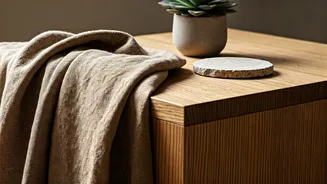
While hard surfaces provide a foundation, soft textiles are what make a space feel truly cozy and inviting. Move beyond basic polyester and embrace the subtle, rich textures of natural fabrics. A crumpled linen throw blanket draped over the sofa adds effortless style and a lived-in feel. Chunky knit wool blankets are perfect for cold nights and add significant visual weight. On your bed or couch, swap out flat, silky pillow covers for ones made of nubby bouclé, slub cotton, or even raw silk. Layering these different materials creates a tactile landscape that invites you to touch and relax, transforming your apartment from a temporary box into a comfortable sanctuary.
Add Living Texture with Plants
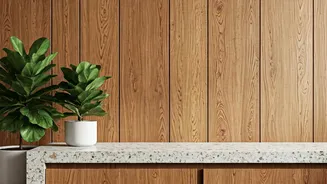
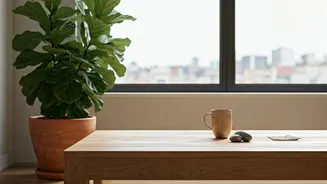
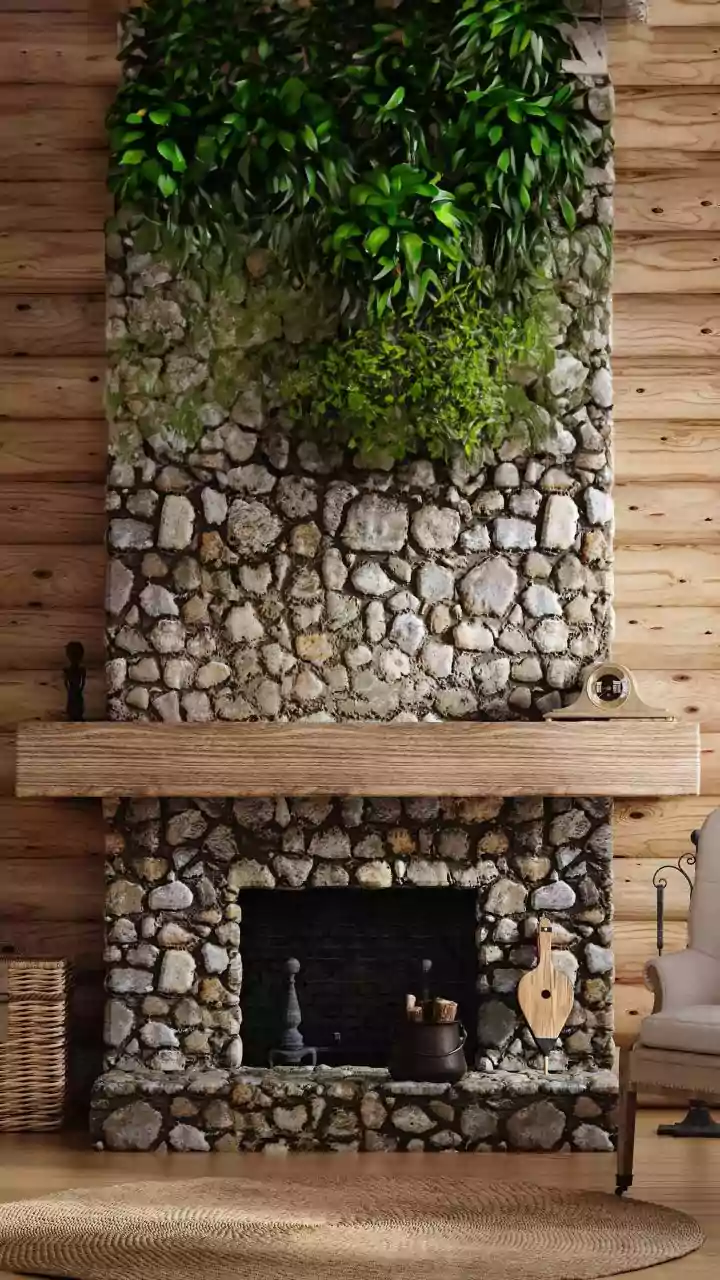
Don't forget the most natural texture of all: plants. Greenery does more than just add a pop of color; it brings life, movement, and a variety of organic forms into your home. The waxy leaves of a Fiddle Leaf Fig, the feathery fronds of a Boston Fern, and the sharp, architectural lines of a Snake Plant all contribute different textural elements. Even the soil and the pots they live in, as mentioned earlier, add to the effect. Arranging plants of different sizes, shapes, and leaf textures creates a dynamic, layered look that can soften hard corners and make any room feel fresher and more personalized.