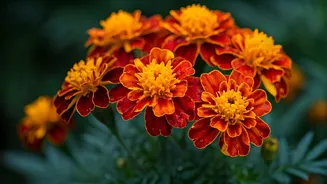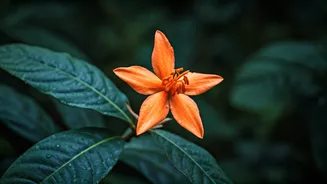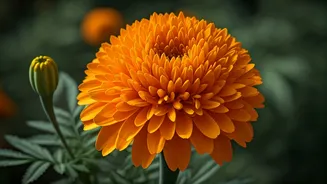





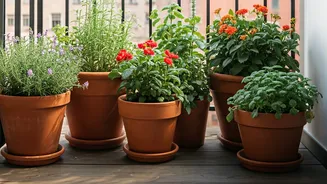



The Enduring Symbol of Sunshine
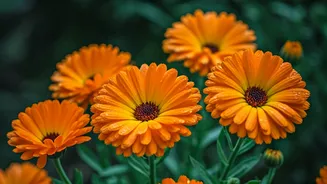
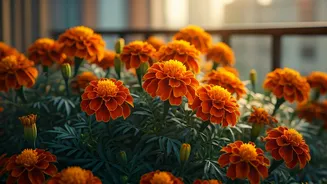
The flower in question is the marigold, or *genda* as it’s known across India. Far more than just a pretty face, this cheerful bloom is a cultural institution. It’s woven into fragrant garlands for temple offerings, draped over wedding arches, and scattered
as confetti during festivals like Diwali. Its sunny disposition is seen as a symbol of positivity, prosperity, and the divine. But beyond its spiritual significance lies a practical resilience that makes it the undisputed champion of the monsoon garden, a season known for its relentless downpours and oppressive humidity that can fell less-sturdy plants.
Built for the Challenge
So, what’s the marigold’s secret? It’s botanically engineered for survival in tough conditions. Many flowers suffer from root rot or fungal diseases when subjected to constant moisture, but the marigold’s root system is remarkably robust. Its feathery foliage allows rain to run off easily, preventing the leaves from becoming waterlogged and prone to mildew. Furthermore, marigolds produce a chemical compound that acts as a natural nematicide, repelling the microscopic worms in the soil that often thrive in damp conditions and attack plant roots. This natural pest control makes it an invaluable companion plant, protecting not just itself but also neighboring vegetables and flowers.
Your Garden’s Monsoon-Proof Hero
You don’t need to live in Mumbai to appreciate the marigold’s tenacity. American gardeners, especially those in regions with hot, humid, and rainy summers, can learn a lot from their Indian counterparts. Think of the muggy, thunderstorm-filled afternoons in the Southeast, the sticky summer heat of the Midwest, or the coastal humidity of the East Coast. These are the very conditions where a marigold doesn't just survive—it thrives. While other annuals might wilt, droop, and succumb to blight, the marigold stands tall, pumping out vibrant blooms from late spring until the first frost. It asks for very little, tolerating a wide range of soil types and forgiving the occasional neglect.
Tips for Growing Your Own Orange Superstar
Bringing this superstar to your garden is simple. Marigolds are easily grown from seed directly in the garden after the last frost, or you can buy starter plants from any garden center. They crave full sun—at least six hours a day is ideal for maximum flowering. While they are drought-tolerant once established, they perform best with consistent moisture, something a rainy summer provides naturally. The two most common types are French marigolds (*Tagetes patula*), which are smaller and bushier, and African marigolds (*Tagetes erecta*), which are taller with large, globe-like flowers. For a classic, vibrant orange look reminiscent of Indian festival garlands, look for varieties like 'Inca II' or 'Crackerjack'.
More Than Just a Pretty Bloom
The marigold’s utility doesn’t end with its good looks and pest-repelling abilities. The petals of some varieties are edible, often used as a more affordable substitute for saffron to impart a golden color to dishes. They have also been used for centuries to create natural yellow and orange dyes for textiles. By planting marigolds, you’re not just adding a pop of color; you’re participating in a long tradition of practical, beautiful, and multi-purpose gardening. They are the ultimate low-maintenance, high-reward flower.