




The Kesar: The Queen of Mangoes
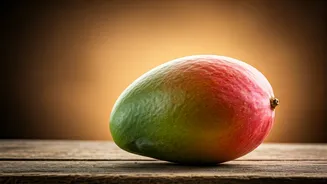
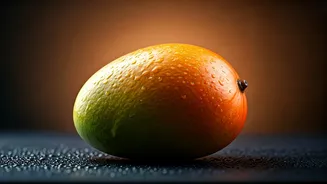
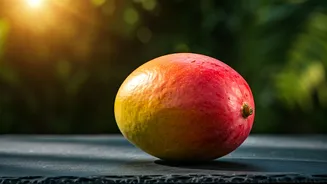
If the Alphonso is king, the Kesar is its queen. Hailing from the neighboring Indian state of Gujarat, the Kesar mango is the Alphonso’s closest rival in terms of prestige and complexity. What sets it apart is its intense, saffron-hued pulp (Kesar means
saffron) and a fragrance so powerful it can perfume a room. While an Alphonso delivers a wave of honeyed citrus, the Kesar offers a slightly tarter, more overtly tropical profile with a distinct sweet-and-sour finish. For Alphonso purists who crave nuance, the Kesar is a must-try. It shares the same buttery, melt-in-your-mouth texture with minimal fiber. Its season often overlaps with and extends just beyond the Alphonso’s, making it the perfect follow-up act. Think of it not as a replacement, but as an equally sophisticated peer.
The Honey (Ataulfo): The Reliable Crowd-Pleaser
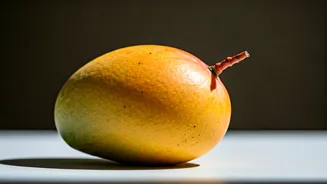
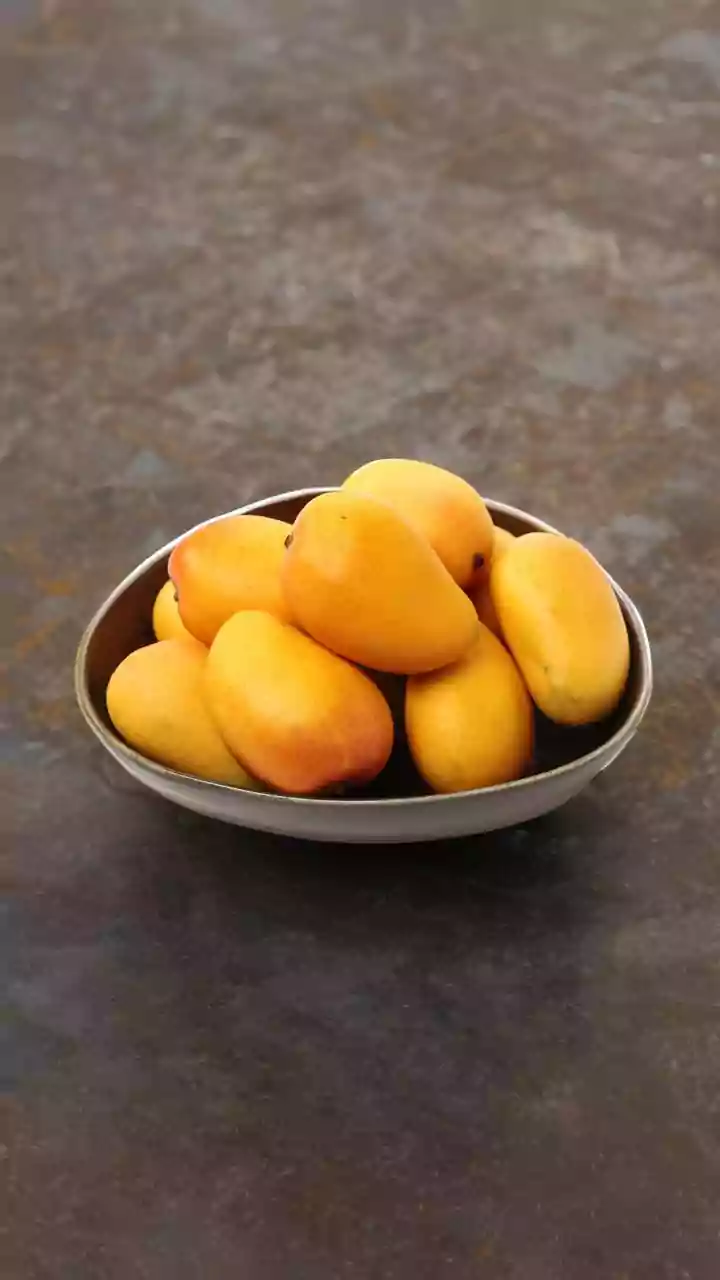
Don’t let its widespread availability fool you; the Honey mango (often marketed under the name Ataulfo, Champagne, or Manila) is a truly spectacular fruit. While it may not have the kaleidoscopic flavor profile of an Alphonso, it excels in two key areas: its texture is consistently silky and completely fiberless, and its flavor is a pure, unadulterated sweetness with notes of peach and vanilla. For Alphonso lovers, the Honey mango is the perfect weeknight indulgence when you crave that creamy texture without the ceremony (or cost) of a prized Indian import. It’s smaller, with a thin pit, yielding a surprising amount of flesh. When perfectly ripe, its skin turns a deep golden-yellow and develops slight wrinkles. This is the mango that proves accessibility doesn’t have to mean compromising on quality.
The Kent: The Late-Season Hero
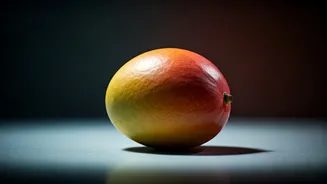
Just when you think mango season is winding down in late summer, the Kent arrives. This large, oval-shaped mango, primarily grown in Florida, Mexico, and Peru, is a dream for those who prioritize sweetness and a juicy, fiber-free experience. Its flavor is less complex than an Alphonso’s, leaning more towards a classic, rich tropical sweetness with hints of peach and a pineapple-like tang. What makes the Kent a standout is its incredibly smooth, almost slick flesh that’s exceptionally juicy. It’s the perfect mango for slicing and eating fresh, but it also holds up beautifully in smoothies and sorbets. For an Alphonso fan, the Kent is the ideal way to extend the mango season well into August, delivering that luxurious, buttery texture long after the Indian varieties have disappeared from shelves.
The Mallika: The Flavor Bomb Hybrid
For the adventurous Alphonso aficionado, the Mallika is a revelation. This Indian hybrid variety is a cross between two other celebrated mangoes, the Neelum and the Dasheri, and it’s a flavor powerhouse. What’s fascinating about the Mallika is its intense, concentrated flavor notes of citrus, melon, and honey—some say it’s one of the sweetest mangoes in the world. It’s not a one-note sweetness, however; it’s layered and perfumed, much like an Alphonso. The texture is firm, fiberless, and deeply creamy. Grown in limited quantities in Florida, it’s a specialty item you’ll have to seek out, but the reward is immense. Unlike many mangoes, the Mallika is often best when picked green and ripened at room temperature, developing its signature complexity off the tree. If you love the aromatic intensity of the Alphonso, the Mallika will blow you away.
And a Note on the Tommy Atkins
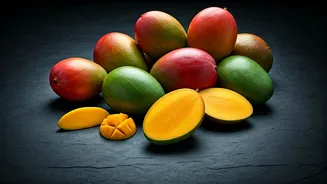
You'll see this mango everywhere. It's the most common variety in U.S. supermarkets due to its long shelf life, disease resistance, and beautiful red-green blush. However, for an Alphonso lover, this is the anti-mango. Its flesh is notoriously fibrous and its flavor is often bland and watery, lacking the sweetness and aromatic complexity you cherish. While its durability makes it a commercial success, it's a poor representation of what a mango can be. Understanding why the Tommy Atkins falls short helps you appreciate what makes the Alphonso, Kesar, and other top-tier varieties so special. If you're chasing that sublime mango experience, this is one to skip.