






The Season of Collective Exhale
For those living outside the desert Southwest, the word “monsoon” might conjure images of torrential, months-long rains in South Asia. But the North American Monsoon is a different beast entirely. It’s a seasonal shift in wind patterns that, from roughly
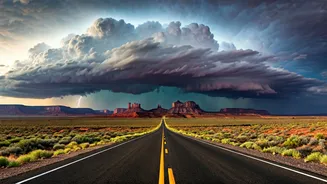
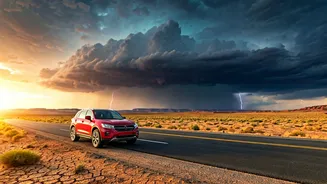
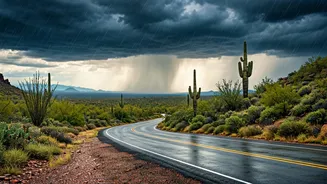
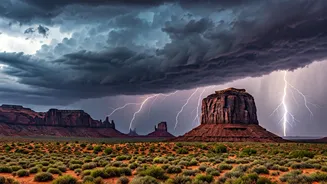
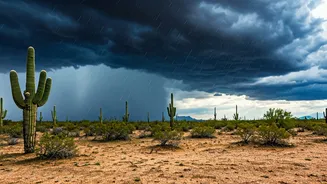
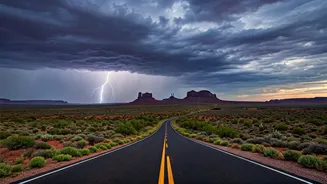
late June through September, pulls moisture up from the Pacific Ocean and Gulf of Mexico into states like Arizona, New Mexico, and parts of Utah, Colorado, and California. After a long, scorching, and bone-dry spring, its arrival is the most anticipated event of the year. The first storm doesn’t just break the heat; it breaks a spell. The landscape, muted in dusty browns and beiges, suddenly sharpens. The air, thick with the smell of ozone and wet creosote bush—an aroma so iconic it's often called the “scent of desert rain”—feels electric. It’s a sensory overload in the best possible way. This isn't just a weather event; it's a dramatic, public spectacle that signals a fundamental change in daily life. The 110-degree days give way to cooler, cloud-filled afternoons punctuated by dramatic, often localized, downpours.
Defining 'Monsoon Motivation'
This is where “monsoon motivation” comes in. It’s not a scientific term, but a deeply felt cultural one. It’s the sudden, inexplicable urge to do *everything* you put off during the oppressive heat. It’s the energy to finally tackle the garden, go for a walk after 10 a.m., meet friends on a patio, or simply sit outside and watch the clouds build. The crushing lethargy of early summer evaporates with the first drops of rain, replaced by a surge of optimism and activity. This motivation is born from profound relief. Psychologically, the shift provides a powerful environmental cue that a period of suffering—in this case, from extreme heat and dryness—is ending. The gray skies and thunder aren't gloomy; they're a promise of life. Social media feeds across the region fill with photos of storm clouds, rain-soaked streets, and jubilant captions. It fosters a powerful sense of shared experience. Everyone is watching the same sky, feeling the same cool air, and celebrating the same life-giving water. This communal joy fuels a desire to reconnect and re-engage with the world and the community.
Why This Year Feels Different
While the monsoon is an annual event, its intensity varies wildly. In recent years, the Southwest has endured disappointing seasons, sometimes dubbed “nonsoons,” where the expected rains never consistently materialized. These failures exacerbated the region's long-term drought, leaving reservoirs low and landscapes tinder-dry, fueling anxiety about wildfires and water security. This context is crucial for understanding why this year’s motivation feels so potent. When a reliable pattern becomes unreliable, its return feels less like a given and more like a gift. This season, for many areas, has seen a more robust and classic monsoon pattern. After years of lackluster performance, the arrival of consistent, powerful storms feels like a climatic debt being repaid. The thunder isn't just background noise; it’s a confirmation that nature's rhythm, however disrupted, has not been completely broken. Each storm reinforces a sense of hope that was beginning to fray. It’s the difference between expecting a friend for dinner and welcoming home someone you feared was lost.
More Than Just Weather
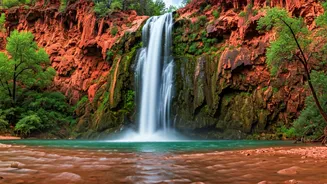
Ultimately, monsoon motivation is a potent reminder of our primal connection to the environment. In a world of climate control and digital detachment, the monsoon forces millions of Americans to be viscerally aware of the natural world. It dictates moods, schedules, and conversations. It’s a season that has its own traditions: setting up rain barrels, placing bets on the first day of rain, and the simple act of watching a storm roll in from the porch. It also shapes a unique regional identity. To love the desert is to understand its harshness, and to celebrate the monsoon is to embrace the cycle of endurance and reward that defines life here. The motivation it inspires is a powerful counter-narrative to the idea of the desert as a barren wasteland. Instead, it’s a place of dramatic transformation, where a few weeks of rain can trigger an explosion of life, greening hillsides and coaxing wildflowers from the dormant ground. That visible, rapid renewal is mirrored in the human spirit, giving people the energy and hope to bloom as well.