





From Sponsorship to Science
For decades, a brand's involvement in a public event was straightforward: plaster a logo on a banner, sponsor a stage, and call it a day. But at large-scale Indian food festivals like Zomaland or The Grub Fest, that model is ancient history. Today, companies
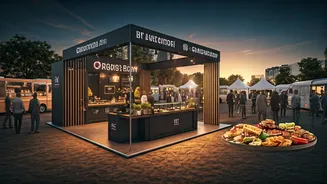
are embedding themselves so deeply into the event experience that they've transformed these festivals into living, breathing R&D centers. This isn't just about brand awareness; it's about brand interaction. Instead of a passive ad, a beverage company might set up a mocktail-making 'lab' where attendees can mix their own drinks using a new, unreleased syrup, providing instant feedback on flavor profiles. A tech company might debut a new payment app, offering exclusive discounts to festival-goers who use it to buy food, stress-testing the technology in a high-volume, real-world environment.
The Perfect Recipe for Engagement
So, why India? The trend is fueled by a perfect storm of demographic and cultural shifts. India has one of the world's youngest populations, with a median age under 30. This demographic is digitally native, experience-hungry, and often skeptical of traditional advertising. They don't want to be told a product is cool; they want to experience it for themselves and, crucially, share that experience on social media. Food festivals provide a captive audience of tens of thousands of these ideal consumers in a single weekend. They arrive in a positive, open-minded state, ready to eat, drink, and explore. For a brand, this is a golden opportunity. The environment is inherently sensory and communal, making it far more effective for creating a memorable connection than a 30-second digital ad that a user is itching to skip.
Brands on the Menu
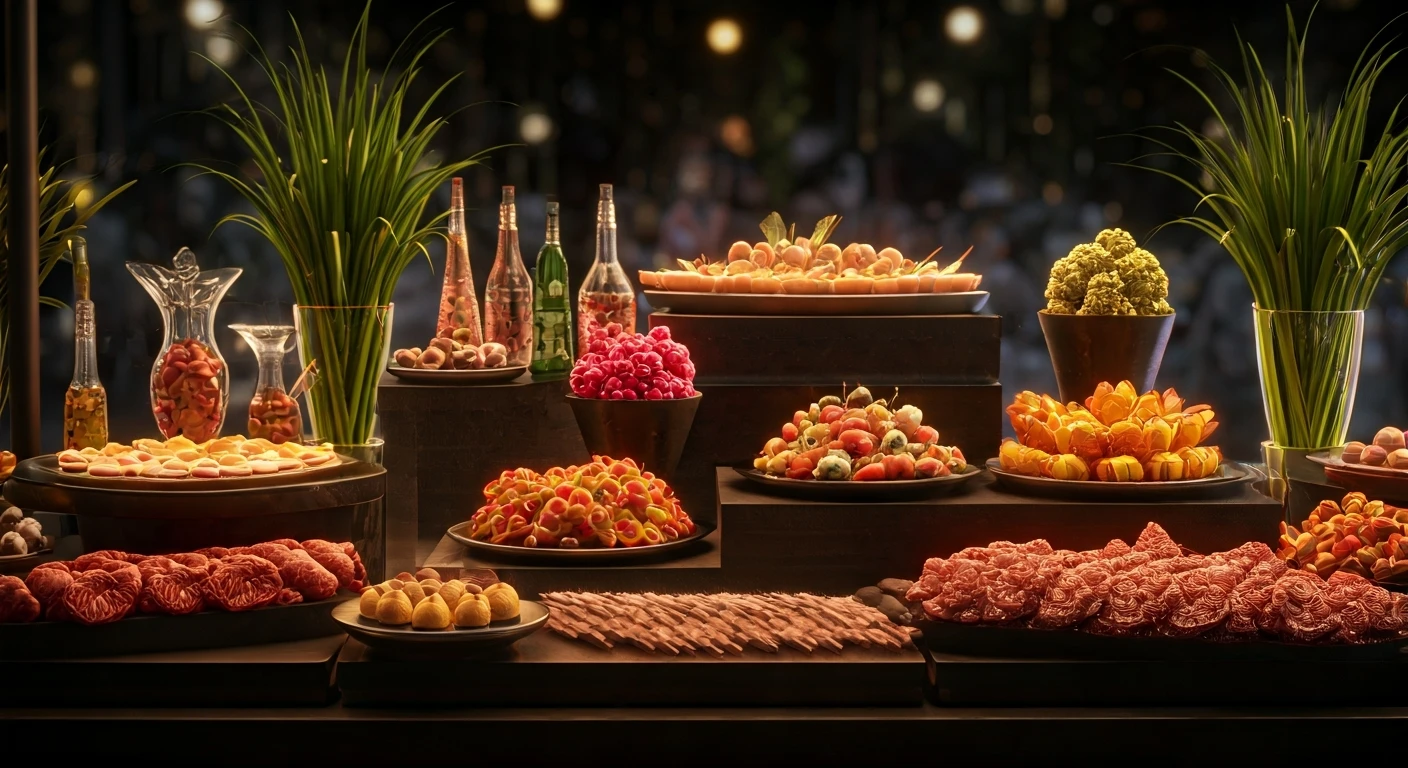
The sheer diversity of brands leveraging this trend is telling. While food and beverage giants like PepsiCo and Diageo are natural fits, using festivals to launch new chip flavors or craft beer variants, the field is much wider. Automakers like MG Motor have set up elaborate lounges to give attendees a comfortable space to relax—and a low-pressure environment to explore a new electric vehicle. Financial services and payment apps from companies like PayTM or Simpl create seamless, cashless ecosystems within the festival, gathering valuable data on spending habits while normalizing their platforms for everyday transactions. Even streaming services get in on the act, creating themed zones based on popular shows, turning a passive viewing experience into an interactive, shareable moment.
The Data Buffet
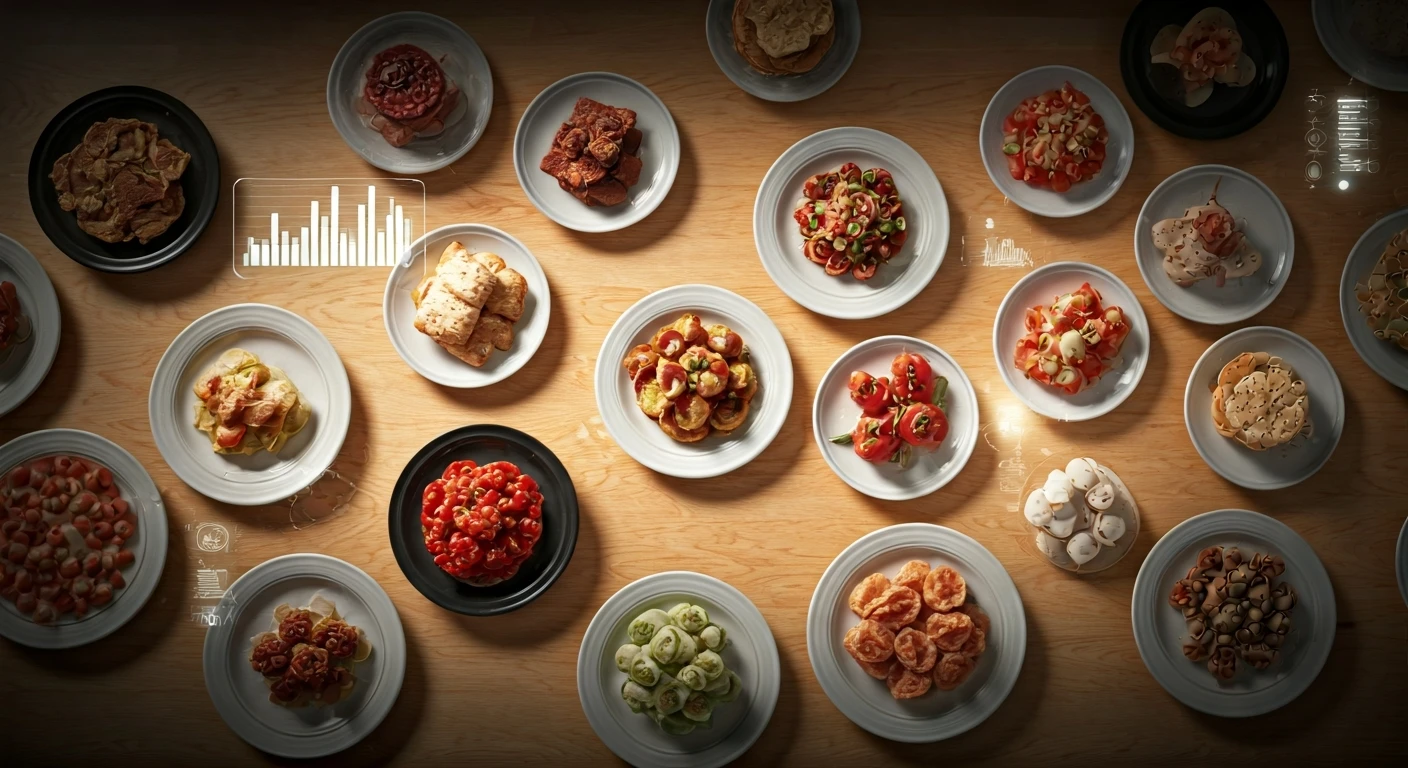
The most valuable product at these 'brand labs' isn't food—it's data. Every interaction is a data point. When a visitor scans a QR code to enter a brand's 'experience zone,' they are often providing their contact information. The choices they make at a sampling station become live polling results. The photos they post with a branded hashtag offer a treasure trove of user-generated content and sentiment analysis. This feedback loop is immediate and unfiltered. A brand can learn more in three days at a food festival about how their target demographic perceives a new product than they could in three months of traditional market research. This direct, voluntary exchange of information in a fun setting is far more powerful and insightful than surveys or focus groups, giving brands a clear picture of what resonates with modern Indian consumers.