



The Low-Light Reality of City Living
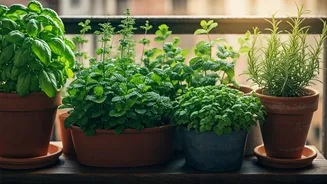
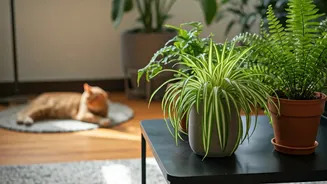
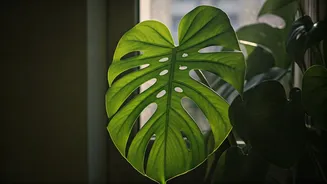
You’ve seen the pictures online: beautiful apartments overflowing with monsteras and fiddle-leaf figs. But when you try it, your own plants look sad, leggy, and pale. It’s a common frustration for city dwellers, particularly in India’s bustling metropolises.
Dense urban planning means your apartment building might be just a few feet away from the next, casting permanent shadows. Balconies, if you have one, may face the wrong direction or be shaded by the floor above. Then there’s the monsoon. For several months a year, persistent cloud cover can dramatically reduce the amount and quality of sunlight filtering through your windows. These factors combine to create low-light conditions that are challenging for many popular houseplants, which often originate from sunny, tropical regions. Without adequate light, plants can't photosynthesize effectively, leading to weak growth, yellowing leaves, and a failure to thrive.
Your Secret Weapon: The Grow Light
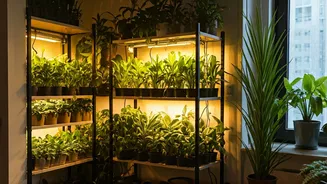
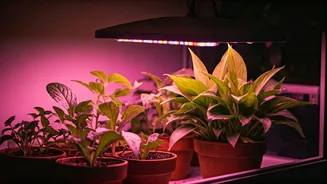
This is where grow lights change the game. Think of them as a substitute for the sun, designed specifically to give your plants the light spectrum they need to flourish indoors. It’s not just any old lamp; grow lights are engineered to mimic the wavelengths of natural sunlight that plants use for photosynthesis. They are the single most effective tool for transforming a dim, forgotten corner into a vibrant indoor garden. Using a grow light isn't a sign of failure—it's a smart, strategic move for the serious urban plant parent. It frees you from the limitations of your window placement and allows you to grow a much wider variety of plants, not just the few species known for tolerating near-darkness. They give you control, turning any spot in your home into a potential plant paradise.
How to Choose the Right Light
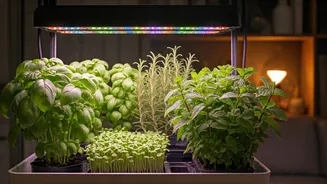
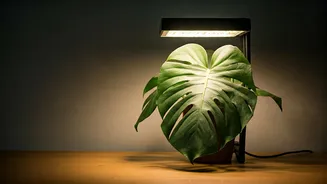
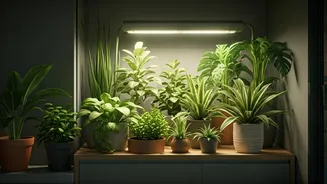
Walking into the world of grow lights can feel overwhelming, but for a home setup, the choice is straightforward. Look for LED grow lights. They are energy-efficient, long-lasting, and don't produce much heat, which prevents them from scorching your plant’s leaves. The most important term to know is “full-spectrum.” A full-spectrum LED light provides a balance of cool and warm light that replicates the natural solar spectrum, making it ideal for all stages of plant growth, from sprouting to flowering. They come in various forms: simple screw-in bulbs that fit into any standard lamp, sleek clip-on lamps you can attach to a shelf, or integrated floor lamps designed to illuminate taller plants. For a small “green corner,” a single full-spectrum LED bulb in a stylish desk or floor lamp is often all you need. You don't need a professional-grade, greenhouse-style setup; a simple, aesthetic solution is well within reach.
Setting Up Your Thriving Green Corner
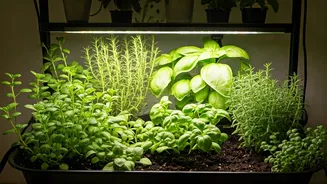
Once you have your light, placement and timing are key. As a general rule, the light should be placed about 12 to 24 inches away from the foliage. Too close, and you risk burning the leaves; too far, and the light becomes ineffective. Observe your plants—if they start stretching towards the light (a condition called etiolation), move it a bit closer. Most indoor plants benefit from 12 to 16 hours of supplemental light per day. The easiest way to manage this is with a simple outlet timer. You can set it to turn on in the morning and off at night, creating a consistent “daylight” cycle for your plants. This consistency is crucial for their health and removes the daily chore of remembering to switch the light on and off. Grouping plants with similar light needs together under a single grow light is an efficient way to create a lush, cohesive display.