

What Is Soilless Gardening?
Soilless gardening isn’t a single technique but a category of methods for growing plants without traditional soil. It sounds futuristic, but the principle is simple: plants don’t actually need soil to live. What they need are water, nutrients, oxygen,
and support for their root systems. Soil is just one convenient, all-in-one package that delivers these things. Soilless methods simply unbundle that package, allowing you to provide for your plants in a more controlled, and often cleaner, way. From simple water propagation to more structured setups using inert materials, these techniques offer a fresh approach that can solve some of the most common headaches for indoor gardeners.
The Hydroponics Method: Just Water
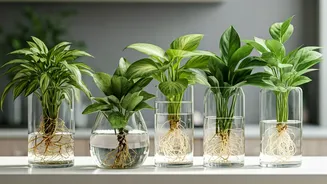
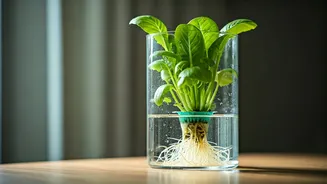
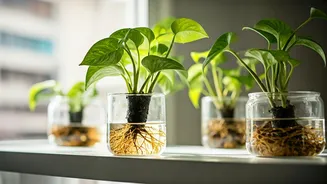
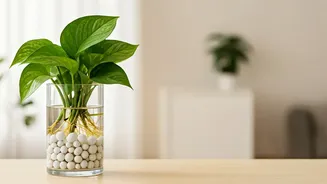
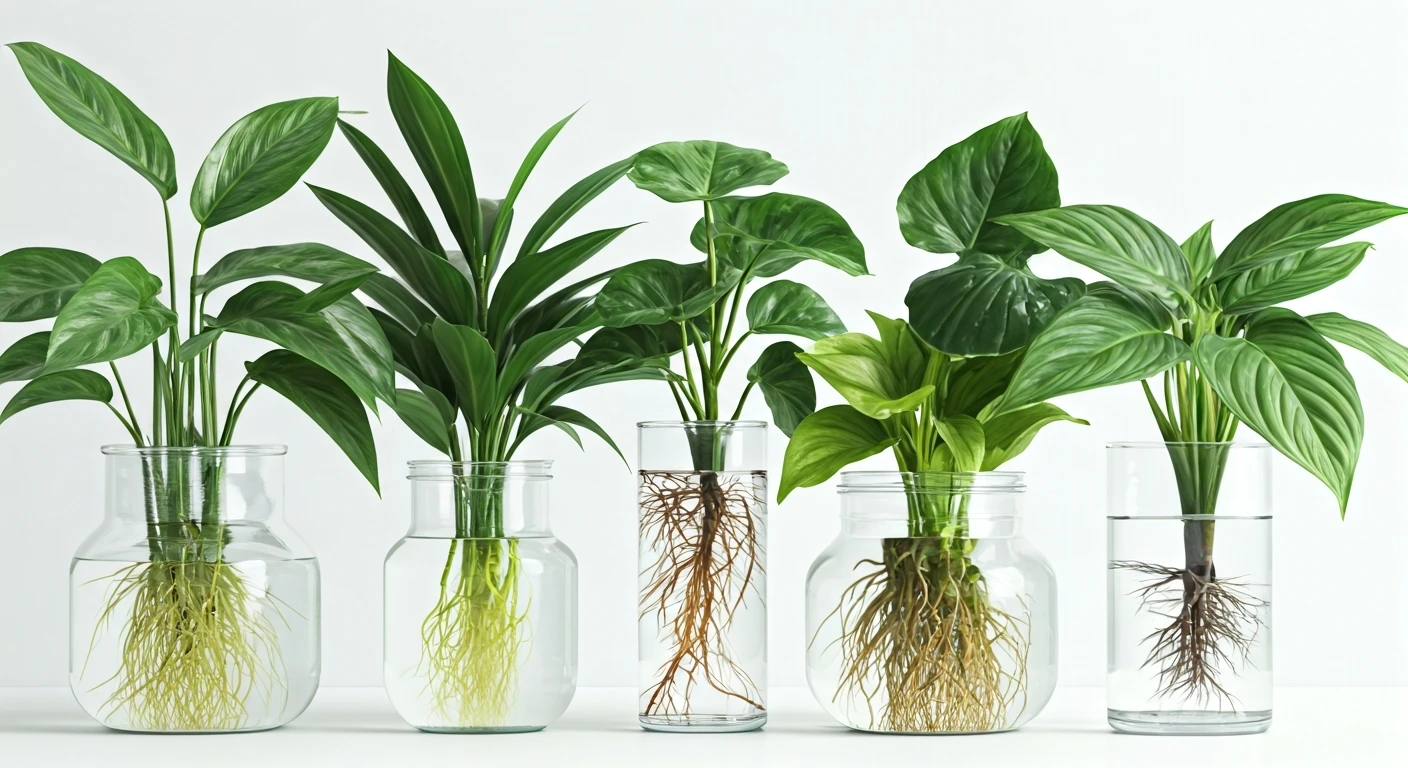
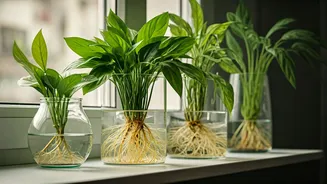
The simplest entry point into soilless growing is basic hydroponics, or water culture. If you’ve ever placed a pothos cutting in a jar of water and watched it sprout roots, you’ve already done it. Many vining plants, such as pothos, philodendrons, and monsteras, can live happily in a vase of water indefinitely. The key is providing the right care. You'll need to change the water weekly to replenish oxygen and prevent bacterial growth. For long-term health, you’ll also need to add a few drops of a liquid hydroponic fertilizer every 4-6 weeks, as water alone lacks the micronutrients found in soil. This method offers a stunning visual, allowing you to see the intricate root system grow in a clear glass vessel.
Semi-Hydroponics with Clay Pebbles
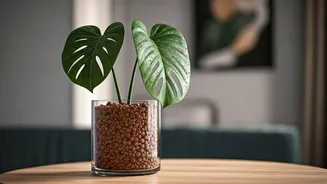
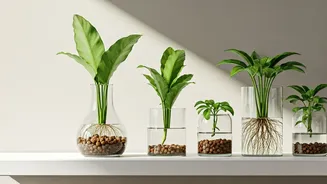
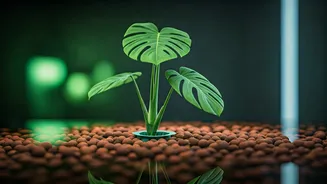
For those wanting a bit more structure, semi-hydroponics using Lightweight Expanded Clay Aggregate (LECA) is a game-changer. LECA consists of small, porous clay balls that have been fired in a kiln. They don’t provide nutrients themselves but act as a stable, sterile substitute for soil. You plant your specimen in a pot of LECA pebbles, which sits in a reservoir of nutrient-rich water. The clay balls wick moisture up to the roots as needed, providing a constant but not overwhelming supply of water. This setup dramatically reduces the risk of root rot from overwatering—a leading cause of houseplant demise. It also creates an inhospitable environment for common soil-based pests like fungus gnats.
The Magic of Air Plants
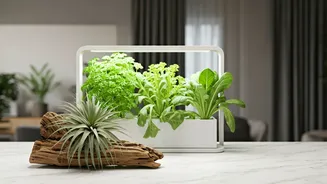
For the ultimate in low-mess greenery, look no further than air plants (Tillandsia). These fascinating plants are epiphytes, meaning they naturally grow on other plants (like tree branches) rather than in soil. They absorb all the water and nutrients they need through specialized scales on their leaves. This means they require no pot or growing medium at all. Care is straightforward: they need bright, indirect light and good air circulation. Instead of watering, you typically soak them in a bowl of room-temperature water for 20-30 minutes once a week, then allow them to dry completely upside-down to prevent rot. They can be displayed in countless creative ways, from hanging globes to being mounted on driftwood.
Why It’s Truly a Simpler Way
The "easier" claim of no-soil gardening comes down to one word: control. Soil is a complex, living ecosystem that can harbor pests and diseases, and its moisture level is notoriously difficult to judge. With soilless methods, you remove the variables. Watering becomes a predictable routine of topping off a reservoir or scheduling a weekly soak, eliminating the "is it dry yet?" finger-poke test. The absence of organic soil means no more fungus gnats buzzing around your face. Plus, the clean, minimalist aesthetic of plants in water or LECA appeals to modern design sensibilities, turning your houseplants into living sculptures.