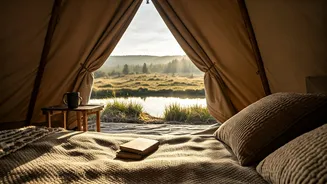







What Exactly is a Mood-Led Escape?
Forget the color-coded spreadsheets and minute-by-minute agendas. A mood-led escape is a trip planned around a simple, radical principle: doing what you feel like, when you feel like it. Instead of locking in dinner reservations months in advance or pre-booking
every museum ticket, this approach prioritizes flexibility, spontaneity, and self-awareness. It's the difference between a vacation built to be Instagrammed and one built to be experienced. The core idea is to establish a destination—a city, a region, or even a single relaxing hotel—as a 'home base' rich with possibilities, but with no rigid schedule. The only daily appointment is checking in with yourself and asking, 'What does my mind and body need right now?'
The Direct Link to Beating Burnout
The modern workplace has conditioned us to optimize every moment. We manage projects, juggle deadlines, and fill our calendars to capacity. The problem is, we often apply that same high-pressure, productivity-obsessed mindset to our time off. We turn our vacations into a checklist of sights to see and activities to conquer, creating a parallel track of pressure and performance. This is why so many of us come home tired. Mood-led travel is the antithesis of this. By intentionally releasing control, you dismantle the very structures that fuel burnout. It allows for genuine rest by removing the cognitive load of sticking to a plan. When there's no schedule to fall behind on, there's no sense of failure—only discovery. It’s a powerful practice in listening to your internal cues, a skill that often gets silenced by the relentless demands of daily life.
How to Plan Your First Mood-Led Trip
Embracing this philosophy doesn't mean abandoning planning altogether; it just means planning for flexibility. Start by choosing a destination that offers a variety of options. A city with great museums, parks, and cafes, or a coastal town with beaches, hiking trails, and quiet spots is ideal. Instead of an itinerary, create a 'possibilities menu.' Brainstorm a list of restaurants, attractions, shops, and experiences that sound appealing. Think of it as a buffet of options you can choose from each day, not a mandated list of tasks. This list is your guide, not your boss. You might use one item from it, or you might ignore it completely in favor of spontaneously discovering a hidden alleyway or taking a three-hour nap. The goal is to have inspiration on hand without the pressure of commitment.
Mastering the Art of Doing Nothing
For many high-achievers, the hardest part of a mood-led escape is embracing moments of stillness. We're taught that an empty block of time is wasted time. This approach asks you to reframe that thinking. 'Doing nothing'—whether it's sitting on a park bench, reading in a cafe, or just staring out the window of your rental—is not a failure to capitalize on your vacation. It's the entire point. These unstructured moments are where true mental and emotional recovery happens. It's when your mind is free to wander, process, and decompress. If you wake up and feel like a slow morning with a book is what you need, that is the most 'productive' thing you can do for your well-being. This isn't laziness; it's active, intentional rest.