

The Age of Culinary Chaos
For a while, the internet's food scene has been dominated by a specific brand of beautiful madness. We’re talking about “stunt food” or “rage bait cooking”—videos engineered for maximum engagement through sheer absurdity. Think someone pouring a gallon
of ranch dressing into a washing machine to cook chicken wings, or a candy-stuffed pizza baked inside another pizza. The goal isn't to create a meal you’d want to eat, but a spectacle you can’t look away from. These creations are designed for the algorithm. They thrive on shock, comments of disgust, and the morbid curiosity that makes us watch a culinary train wreck in slow motion. The ingredients are often expensive, the process is wasteful, and the final product is frequently inedible. It’s cooking as performance art, but the applause often feels hollow. After the tenth video of something being smothered in an ungodly amount of melted cheese, a sense of fatigue sets in. Is this all there is?
A Craving for Authenticity
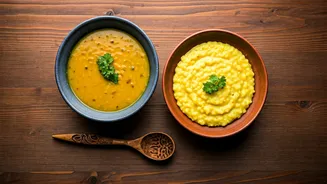
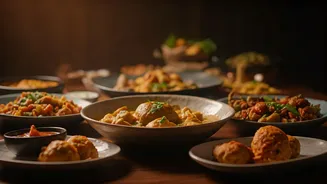
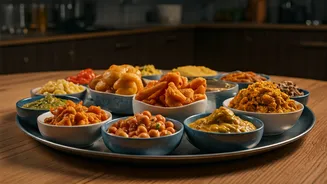
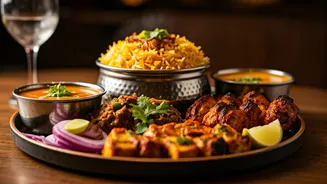
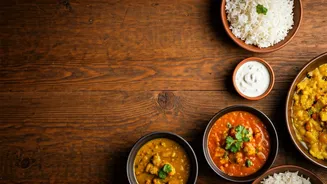
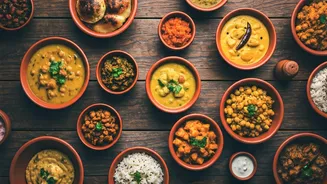
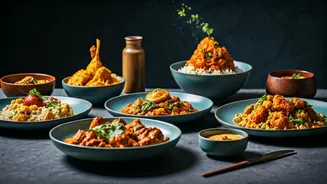
Amidst this digital deluge of deep-fried everything, a powerful counter-current has emerged. Viewers are growing tired of the performance. They’re seeking something real, something achievable, something that feels like home—even if it’s a home they’ve never been to. This is where simple Indian home cooking is quietly taking center stage. Creators are shifting from chasing virality to sharing vulnerability. Instead of elaborate, multi-day projects, they are showcasing the humble, everyday meals that form the backbone of one of the world's great cuisines. These aren't the rich, complex dishes you might find at a fancy Indian restaurant. This is the food people actually eat day-to-day: comforting dals, simple vegetable stir-fries (sabzis), and warm, fluffy rotis. The appeal is magnetic because it’s rooted in something we all understand: the need for a nourishing, satisfying meal without all the fuss.
The Magic of a Good Tadka
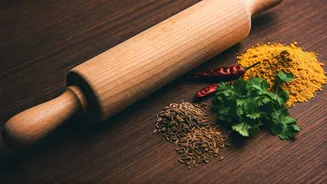
What makes these recipes so compelling? Part of it is the demystification of Indian cooking. For years, many Americans have viewed it as delicious but intimidating, requiring a long list of unfamiliar spices and complicated techniques. The new wave of creators is changing that narrative, one simple recipe at a time. They show us that the secret to incredible flavor isn't a pantry full of 50 different jars, but a mastery of basic techniques. The perfect example is the *tadka* (or tarka/chaunk), a technique of blooming spices in hot oil or ghee. In a 30-second video, a creator can show you how a sizzle of cumin seeds, mustard seeds, and a pinch of asafoetida can transform a simple lentil soup from bland to breathtaking. It's a lesson in flavor-building that’s more valuable than any stunt-food hack. These videos teach foundational skills that viewers can apply in their own kitchens, empowering them to cook with more confidence and creativity.
Food as Storytelling
Beyond the practical techniques, the rise of simple Indian cooking online is also about connection. Many of these creators aren't just sharing a recipe; they're sharing a piece of their heritage. A video for a simple *khichdi* (a comforting rice and lentil porridge) might come with a story about how it's the go-to meal when someone in the family is sick. A tutorial on making chai is interwoven with memories of grandparents and afternoons spent talking over a hot cup. This is something the viral food experiments can never replicate. A giant, bacon-wrapped onion ring has no soul. But a simple bowl of rajma (kidney bean curry) shared with a story about Sunday family lunches creates a powerful emotional link between the creator and the viewer. It’s a reminder that food is never just fuel. It's culture, it's history, it's love, and it's memory. In a digital world that often feels disconnected, these simple recipes are providing a much-needed taste of something genuine.